
Posts

herrmann brain dominance model

6 benefits of the Herrmann Brain Dominance Instrument (HBDI)

Benefits of the Herrmann Brain Dominance Instrument (HBDI)

Updated: December 2025

What is the Herrmann Brain Dominance Instrument®?

The Herrmann Brain Dominance Instrument® is based on the Whole Brain Thinking® framework and is an assessment tool that evaluates an individual’s thinking process and how it reflects in certain aspects of their work-life. This assessment is typically used to raise people’s awareness of their strengths in ways that they can capitalise on to make better decisions, become more creative problem solvers, and improve overall performance. 

Four styles of thinking for the HBDI assessment

There are four styles of thinking, or quadrants, that the HBDI assessment accounts for. The HBDI quadrants represent different cognitive preferences and approaches to problem-solving, communication, and decision-making. Understanding these styles helps individuals and teams leverage diverse thinking patterns for improved collaboration and leadership effectiveness. Here’s a closer look at each quadrant:

The A Quadrant – Analytical

This quadrant focuses on logical, data-driven, and fact-based thinking. Individuals with a preference for the A Quadrant excel in:

  • Analyzing facts and data: They thrive on breaking down complex information into logical components.
  • Processing numbers: They are comfortable working with statistics, financial data, and quantitative analysis.
  • Critical thinking: They approach problems with a rational, objective mindset, seeking evidence-based solutions.

The B Quadrant – Practical

The B Quadrant emphasises structure, organisation, and a methodical approach to tasks. Those who favor this style are skilled at:

  • Organising facts and details: They excel in creating order and ensuring all elements are accounted for.
  • Planning and execution: They are adept at developing step-by-step plans and following through with precision.
  • Attention to detail: They focus on accuracy and reliability, ensuring tasks are completed thoroughly.

The C Quadrant – Relational

Relational thinkers prioritise interpersonal connections, emotional intelligence, and intuitive understanding. Key traits of individuals in the C Quadrant include:

  • Interpersonal skills: They build strong relationships and foster collaboration within teams.
  • Expressiveness: They communicate with empathy and are attuned to the emotions of others.
  • Intuition: They rely on their gut feelings and emotional insights to guide decisions and interactions.

The D Quadrant – Experimental

The D Quadrant is characterised by creativity, innovation, and a focus on the big picture. Individuals with a preference for this style are known for:

  • Big-picture thinking: They excel at seeing overarching patterns and envisioning long-term possibilities.
  • Imagination and creativity: They generate innovative ideas and think outside the box.
  • Conceptual thinking: They enjoy exploring abstract concepts and brainstorming new approaches to challenges.

Breakthrough Thinking

Understanding the HBDI profile for individuals can mean the difference between making a right decision, and making the best decision. Leaders today must be able to adapt to rapidly changing situations that requires them to shift their thinking in ways that enable them to come up with the best solutions. No two challenges are the same, and a great leader needs to be armed with the tools to overcome them. This type of psychometric assessment provides insight into the patterns that determine which of the four quadrants they fall into when problem solving. It is important too, that an understanding of each quadrant is developed so that you have a more complete arsenal of approaches from which to draw.

Creates Well Rounded Teams

By utilising the HBDI profile for teams, leaders can adapt their communication and coaching to support their specific needs rather than applying a singular, one-size-fits-all approach. Teams can be built to consist of people with diverse thinking processes. When they learn to account for their HBDI, they are able to recognise when a challenge they face will require a particular style of problem solving. Calling on the skills of a ‘D’ quadrant, imaginative thinker for example can be useful when navigating cultural change. Their ability to conceptualise ideas in a larger context is helpful when projects are starting out to provide clarity about the end vision. Each style of thinking identified by each quadrant, provides an invaluable resource to productivity and performance.

Communication

Strong communication is an integral element of any high performing team or organisation. The efficiency of how we distribute important information with clarity is what allows productivity to flourish. Whole Brain Thinking® introduces a common vocabulary that allows for ideas and information to be shared and more importantly, understood, by everyone without the chance of being misunderstood. By revealing the HBDI profile for individuals, we gain insight into the way that they understand information. So, when we need to communicate complex ideas we can do so more easily by phrasing it in words that align with their way of thinking. Knowing the Herrmann Brain Dominance Instrument® profiles of others can also help us to understand the ideas they are sharing with us, as we more easily understand some of their background thinking. 

Builds a Culture of Support

Developing this deep level of understanding of each other’s ways of thinking and problem solving results in creating a more connected workplace culture. Strong communication and comprehension also builds a network of support. For example, a ‘C’ quadrant thinker might be asked for advice about keeping team morale high or, an ‘A’ quadrant thinker may assist in quantifying goals. Successful organisations have a culture that goes beyond accepting differences; they embrace and leverage those differences to push themselves further.

“Successful organisation have a culture that goes beyond accepting differences; they embrace and leverage those differences to push themselves further.”

Growth and Performance

Thought management tools such as the HBDI help us to understand the strengths and weaknesses of our approach to learning. We may struggle to understand new methods, not because they are too complex, but because the information is being delivered in a way that is incompatible with how we prefer to learn. Not many people know what their preferred method is. A focus on how new ideas and skills are taught can be equally as important as learning them at all. Improvement in productivity occurs when we approach skills development in ways that make the most sense for the individual.

Sustainable Change

Creating on-going and sustainable change is difficult for many organisations to achieve, especially for those who have a ‘the way it’s always been done’ mentality. Embracing new ways of doing business allows organisations to make continuous improvements. They don’t become complacent  or reliant on outdated practices. Adopting a Whole Brain Thinking® approach to business practises, creates possibilities to implement more creative, innovative ideas that offer a competitive edge.

There is inherent value in exploring the strengths and weaknesses that affect how we process new information and solve problems. It takes a concerted effort to learn to approach challenges from a variety of angles. Discovering your individual or team Herrmann Brain Dominance Instrument® profile can play a pivotal role in decision making, performance, and success. Embracing it is important to avoid becoming too reliant on old patterns that prevent us from reaching our highest potential. 

For more information about The Leadership Sphere and how we can help you unlock performance through leadership, by supporting your leaders at every level of the organisation with leadership development, executive coaching and high performance team programs please visit our website or call us on 1300 100 857.

6 benefits of the Herrmann Brain Dominance Instrument (HBDI)

the leader as coach

The Leader as a Coach

The Leader as a Coach

Many industries today exist as part of a rapidly growing and constantly changing environment. As such, leadership models of the past that succeeded with command-and-control practices simply cannot provide the functionality they once did. To deal with the new challenges faced by leaders today, a different approach is needed. One that moves us away from a reliance on rigid management and towards providing support and guidance through constantly changing environments. Rather than the instructor, employees will engage with their leader as a coach and in some cases as both a coach and a mentor

Effects of Coaching on Culture

When we think of executive coaching, we often view it as the exclusive domain of C-level and other high-ranking personnel. In this new culture of the leader as a coach, we can see how coaching and leadership skills prove to be beneficial to employees at all levels. The best leaders understand that asking the right questions can spark insight in another person that leads to innovation and a deeper understanding of problem-solving. This can have an incredible impact on performance and one might say that coaching is a skill set that every senior manager and leader must have in their toolkit!

Executive coaching, when accessible by employees across all areas of a business, can remarkably impact its culture and environment. As coaching involves so much collaboration between the coach and the individual, it encourages creativity in ways that unlock hidden potential. The positive effects of executive coaching on culture reach far beyond improved performance. It is capable of affecting the confidence of individuals to work without specific instructions and instills in them the sense that they are trusted to continue to be productive. This is why we find such a high percentage of the best employers have structured coaching and mentoring programs as a way of doing business.

A Tool for Change

Leadership coaching is more than just a personal skill that managers must excel in. It is also a valuable source of cultural strength. By moving away from the top-down command style of leadership used in the past, you open the door to more high-performing individuals to become a part of the decision-making process. You teach them how to interact with each other as well as with clients more thoughtfully. Not only does this impact the culture of your business, making it a more positive place for those who work there, but it becomes a more positive place for those you work with

Companies that do not upgrade their business model to include leadership and coaching tools for cultural change, may find that their growth and progress become stagnated. Companies that embrace this new approach by encouraging and supporting skills development in all of their employees increases the possibilities for innovation and growth. Change starts at the top. When leaders demonstrate their willingness to own up to their own information gaps and ask their team for assistance, a community is fostered that is based on trust and interpersonal relationships. By modelling this behaviour themselves, leaders are showing their teams that it is important and valuable to seek the knowledge you wish to gain that you don’t already possess.

As industries continue to change, so must the culture and leadership practices within them. It is impossible to rely on any singular, outdated model of management. Executive leadership programs provide the valuable tools required to improve upon practices that can lead to exponential growth in high-performing teams. What is needed now are leaders who are willing to affect positive change in support of their teams in ways that encourage learning and creativity. 

As a leader, how do you use coaching and mentoring in your day-to-day conversations?

About the Author: The Leadership Sphere

The Leadership Sphere helps small and medium businesses and larger organisations in Australia, in creating value through leadership. The Leadership Sphere provides a humanistic approach to the way it delivers leadership, performance and coaching services. We work with leaders and senior teams who need to gain increased clarity, build capability and ensure contribution at every level in the organisation, and enable a safe, inclusive and  high trust organisation.

The Leader as a Coach

leadership coaching

5 Steps for Effecting Coaching

5 Steps for Effecting Coaching

Executive coaches can play a significant role in the ongoing development of teams and leaders. Through a series of coaching sessions in which the coach and client work closely to construct a strategy to reach specific goals and build new behaviours, the client is empowered to take control of their own learning. In making continual assessments and tracking their progress, it becomes possible to see the tangible development of skills that contribute to ongoing growth and success. The relationship is one of accountability, development and support, and provides a safe place for an individual to talk through what is working and what is not working with their day to day business activities.


Analysis

For executive coaching to provide the most beneficial results, the coach must first work with the team or individual to identify performance gaps and their cause. This is typically achieved through executive coaching programs that aim to address the specific goals and desires of the client, as well as any behaviours they may wish to improve. Those behaviours that will provide the highest opportunities for advancement should be prioritised. In some cases, the specific goals for the coaching program may be aligned to other development activities, or will be agreed between the individual who is being coached and other representatives from the business.

Preparation

Coaching for behavioural or cultural change takes a significant amount of time and effort to be done effectively, and therefore should not be a rushed process. It may take several coaching sessions for there to be a noticeable change. Set an intentional objective prior to each meeting that focuses on one or two specific behaviours. Doing so means that you can solidify progress in those areas without becoming overwhelmed by trying to do too much at once. The preparation stage should also involve anticipating obstacles and discussing strategies to overcome them. As you begin to introduce new objectives, you can see the progress that has already been made. In some cases, leadership assessments and profiling may be required for a more detailed assessment of the individual who is being coached, or in other cases the main areas for behaviour and cultural change may be identified through conversation and consultation with the individual and/or others within the business. The most important part of this step is that everyone involved agree on the area that requires change, and are committed to making the change, and recognise the benefits of working through that process!

Collaboration

Executive coaching is a collaborative process between the coach and the client. Collaboration suggests relationship and for that reason, trust is a big part of any coaching program. Each session should involve open dialogue and shared perspectives to determine the options of moving forwards. Both coach and client must be fully engaged and motivated to achieve the goals set out. The best executive coaches understand that much of their role is simply to ask the right questions that lead the client to reach the solution for themselves. Of course, their experience and expertise will offer guidance in this but really, a successful coach will act as more of a sounding board for ideas rather than provide direct answers. What remains in the vault, is a big part of collaboration, and is a critical part of how a coach builds trust and ensures a healthy coaching relationship.

Documentation

To truly benefit from the positive effects of executive coaching, each session should take rigorous documentation of goals, the steps that need to be taken, and timing (if applicable) so that progress can be monitored. A useful tool for this process is the Actionable Habit Builder that allows the client to set, track, and reflect on their behaviour as they work towards their goals. The platform allows progress to be shared with the coach so that they are able to be kept up to date remotely. At the end of this program, the individual is asked to answer a series of reflection questions that allow them to delve deeply into self-analysis of their behaviour and emotions. The advantage of this is that it provides a measurement not only of what they did, but how they felt about it. By having a reference of what has been worked on and the levels of improvement, delivers the necessary feedback to keep everyone involved motivated to work through difficult situations and acts as a reminder to the value of the coaching relationship and progress that is being made.

Follow up

The best leadership coaching businesses do not succeed on the basis of a singular session. For there to be continual improvement there must also be continual assessment. The reaching of one goal usually leads to the forming of another. In this way we are always able to achieve growth in our business and leadership. A cycle of feedback is necessary for building upon previous success. The Hogan 360º Report feedback tool is excellent for creating this loop. At the end of each implementation, clients are again asked to provide feedback on the skills and behaviours that are either working or can still be improved. One of the advantages of leadership coaches is having someone who is willing to push you to succeed not just once, but time and time again. 

The top leadership coaches know that change takes time, skill, and dedication. Through executive coaching programs and behaviour development tools, clients are able build within themselves the skills they need to grow and reach new levels of success. How do we know if we are reaching our goals if we do not assess our progress? By working closely with the coach and regularly monitoring their progress, clients become more confident and begin to take ownership of their own development.

For more information about The Leadership Sphere and how we can help you in creating value through leadership, by supporting your leaders at every level of the organisation with leadership development, executive coaching and high performance team programs please visit our website or call us on 1300 100 857.

5 Steps for Effecting Coaching

high performance culture

7 Steps to Building a High Performance Culture

7 Steps to Building a High Performance Culture

When we talk about developing a high performance culture within an organisation, we do so with the aim of cultivating an environment that makes employees want to come to work. In fact, positive company culture is often cited as a significant factor for those who are applying for roles. For companies looking to expand their workforce or simply to further incentivise current employees, investment in culture should be given priority. 


Continuous Learning

Strong leaders must be willing to not only accept changes that occur within their business but encourage growth and innovation. The culture of the company should reflect their commitment to developing high performers by allowing them opportunities to demonstrate and expand their skills. High performance training programs help individuals by building upon their ability to engage constructive collaboration and the company then benefits from having established a culture that thrives on the passion of those individuals.

Empower Individuals

The best high performance teams course will teach participants to operate effectively with minimal direction from management. They have been entrusted to solve problems and make decisions that will produce high quality results. By recognising and even celebrating their success can have a lasting impact on morale. Something as simple as a thoughtful email will make a big difference. Remember this is about making your employees feel acknowledged and appreciated in ways that empower them to strive for success.

Collect Feedback

High performance culture thrives when feedback is regularly sought out and reciprocated. Not only does it allow teams to better understand the goals laid out for them, but by listening to the feedback of their teams, leaders learn what their teams require from them in order to continue their success. The Hogan 360º survey is designed to provide a feedback loop reinforces what is working well and what can be improved. The relationship this build between teams and management is deeply rooted in a sense of trust that allows for open and honest communication.

Encourage Accountability

One of the strongest assets of developing and sustaining high performance teams is their determination to achieve results. In order to do this they must hold themselves and each other to high levels of accountability to ensure that their goals are met. In building high performance teams, programs such as Dare to Lead™, can be useful in developing methods of communication that reinforce the importance of taking ownership of our actions. When the performance of the team relies so heavily on unity for success, accountability will define a large part of the culture. 

Select the Right People

High performance teams should consist of individuals who are not only dedicated to their role and the project, but who also understand the organisation and its values. By providing them with training and experience, you can ensure that they are helping you to create the environment that fosters high performance. Engaging in creating a high performance team workshop allows you to provide the skills and experience you desire in your team while simultaneously demonstrating your own commitment to their growth.

Integrate Behaviours

It is not enough to simply state your desire to build a high performance culture. You must act. This is achieved through communicating clearly with employees at all levels about what is expected of them. The behaviours and habits required to succeed should be regularly talked about and engrained in the day-to-day operations of the business.

Set the Example

The old adage of ‘practice what you preach’ still holds true. In business, it means more to your employees if you show that you are just as willing to put in the time and effort towards tasks that you’re asking them to perform. As a leader, you set the standard. If you want others to adhere to the values of your organisation, you must live by them yourself to be effective at driving the culture.

How well your teams perform is tied closely with the environment in which they work. For teams to achieve exceptional results, they require a high performance culture. Developing and sustaining high performance team programs are an invaluable resource in establishing a positive company culture. Though it is something that cannot be done through skills training alone. It is up to the individuals on the team to cultivate and engage with. 

For more information about The Leadership Sphere and how we can help you unlock performance through leadership, by supporting your leaders at every level of the organisation with leadership development, executive coaching and high performance team programs please visit our website or call us on 1300 100 857.

7 Steps to Building a High Performance Culture

high performance culture

Creating a High Performance Culture

Creating a High Performance Culture

Creating a high performance culture can be challenging, particularly when there is uncertainty of where to begin. An important first step is determining what changes need to be made to your current practices. Once you have reached an understanding of your organisational values, you will have a foundation on which to build in new practices that will allow you to construct a culture of high performance. Part of the assessment stage should include defining the behaviours that will contribute to developing a high performance culture. It is important that what you choose to outline as high performance behaviours are relevant to your company. No two organisations are alike, and as such, will have differing needs.

Understanding at All Levels

Adapting to these new behaviours is where we begin to see challenges arise. Workplace behaviour is driven by what people think they can and should do. Changing workplace behaviour will be successful when people’s mindsets change as well. You must address the underlying causes and reasoning behind those behaviours that you wish to see changed, and reframe them to align with your values. 

One way of doing this is to create an environment where employees at every level of your organisation have a clear understanding of how their role contributes to the company’s overall success. This allows individuals to see the direct impact their work makes towards achieving goals. In terms of workplace culture, this provides a sense of purpose and the acknowledgement that their work is important.

Expectations and Feedback

Under circumstances where specific goal setting may not be applicable, another approach will be to set clear expectations of what is to be achieved. Where goals can be measured objectively in terms of achieved or not achieved, behavioural expectations are about everyday actions. It is important that feedback be given regularly in order to monitor how successfully these kinds of expectations are being met. It is for similar reasons that typical methods of ‘performance review’ do not provide accurate accountancy of the work being done. Consistently high performers prefer to receive regular feedback from their managers and will often request feedback on the work they are doing. 

Research continues to show that regularly given feedback is effective for performance management, future performance, and people’s attitudes towards their jobs. When leading high performance teams, by providing immediate feedback – whether positive or negative – you allow the team to make adjustments to their work before it is completed. If something does need to be changed it can be, saving both their time and yours on it having to be repeated. As a result they are able to create higher quality work more effectively. This is just one of the many advantages of culture change on performance.

Employee Development

It can be advantageous to include focused training of these new behaviours when developing high performers. Through high performance team training, you are able to coach the behaviours you wish to shape the culture of your organisation. This also provides them with the skills they need to assist with their overall development that will lead to even greater performance later on. 

In building and leading high performing teams it is important to remember that development is a continual process. By offering leadership training opportunities to your high potential employees, you are actively investing not only in their development but in the growth tom the company as well. Leading high performance teams is an exercise in trust. Much of their productivity is self-sufficient, which is why demonstrating support in this way can have such a lasting impact. By participating in their development you encourage and incentivise their continued achievements. 

The impact that culture change has on attitudes and performance cannot be disregarded. A high performance culture is one that is driven by the desire of each member of an organisation to achieve new levels of success. By setting clear goals and expectations and providing support for employee development we start to see strong improvements in overall performance as well. 

What ideas do you have when it comes to creating high performance teams?

About the Author: The Leadership Sphere

The Leadership Sphere helps small and medium businesses and larger organisations in Australia, in creating value through leadership. The Leadership Sphere provides a humanistic approach to the way it delivers leadership, performance and coaching services. We work with leaders and senior teams who need to gain increased clarity, build capability and ensure contribution at every level in the organisation, and enable a safe, inclusive and high trust organisation.

Creating a High Performance Culture

creating a coaching culture

Developing Leadership Capabilities

Developing Leadership Capabilities

For a business to achieve successful growth, they must have passionate and innovative leaders driving their ambitions throughout the company. Where there exists a gap between performance and potential, there is also an opportunity to develop leadership capabilities. In a McKinsey study conducted in 2011, it was found that ‘good’ leadership capability demonstrated no correlation to financial performance, but companies with leaders who showed ‘excellent’ capability also reached the top quartile in financial performance. There are three key areas of leadership in which an individual must focus their development in order to achieve leadership excellence. 

Leading Oneself

Understanding your individual strengths and weaknesses as a leader is integral to understanding why others  should follow your guidance. The majority of this aspect of leadership is centered around psychology and mindset. What is particularly important is your personal determination to develop your skills. Executive coaching programs can be a crucial tool for those looking to develop their leadership capabilities prior to applying for higher positions or taking on more responsibility. These are highly individualised programs that aim to help you achieve your personal development goals and manage change effectively. They drive engagement and increase the overall performance within the organisation.

Leading Others

To be an effective leader of other people, you need to be able to provide them with inspiration and motivation. Leading high performance teams to success is challenging. Excellent leaders are uniquely skilled in this because they have dedicated their own time to learning how. Organisational performance is closely driven by the relationship between leaders and their team. Leadership development training that utilise the 360 degree feedback model provides leaders with insight into how they are perceived by their teams. In this way, leaders gain a fuller understanding of their team’s mindset and how they can build a stronger relationship with them.

Leading the Business

Establishing a culture of high performance is an important aspect of leading the business. To have strong commercial performance, the output of your teams must be of consistently great quality. Linked closely to leading others, building high performance teams is done by establishing strong relationships that promote constructive collaboration and engagement with the work. One of the key capabilities of high performance team leaders is their ability to encourage innovation and inspire their team to reach greater levels of success by setting stretch goals. These leaders are able to balance the goals of the business while motivating their teams to outperform expectations.

For growth to continue and success sustained, leadership capability development must be incorporated into the system of the organisation. Doing so creates a pipeline for high potential employees to develop their skills and move into leadership positions. Though it may take some time, the leaders you nurture will be the best equipped to move the company forward in reaching its goals and achieving commercial performance.

For more information about The Leadership Sphere and how we can help you unlock performance through leadership, by supporting your leaders at every level of the organisation with leadership development, executive coaching and high performance team programs please visit our website or call us on 1300 100 857.

Developing Leadership Capabilities

Executive Coaching

4 Ways that Executive Coaching will Help Your Business During Difficult Times

4 Ways that Executive Coaching will Help Your Business During Difficult Times

Executive coaching was once considered a last ditch effort for addressing toxic behaviour in the most senior level employees. Over time, the industry has evolved in such a way that now coaches are most often brought in to help leaders develop their skills and better perform their role. Companies have also found value in engaging executive coaching as a means of preventing the turnover of key employees, not just the ‘Executive’. As coaching continues to become more commonplace, old stigmas surrounding the practice will continue to dissipate and it will be sought after for its overwhelming benefits.

Develop High-Potential Talent

One of the key reasons that companies might decide to hire an executive coach is to develop their high-potential talent among middle management. When companies are faced with turbulent times, the risk of losing their top talent is something they may fear. To prevent this, they may instead choose to develop the skills of their high-potential employees. Usually, the individual is someone who is already making significant contributions to achieving results and will likely possess a sharp desire to learn and grow. Not only does this mean that employee turnover remains low, it shows the individual that their skills and talents are valued by top management and that they are committed to helping the individual to progress.

Creates Balance for Executives

When executive coaches are brought on board, it is usually to address a specific business problem or aid with transition to a new role. As time goes on and the coach comes to understand the client, they end up also addressing personal issues such as purpose and work-life balance. In a study conducted by the Harvard Business Review, they found that while only 3% of executive coaches are hired to address personal issues, that number jumps to 76% over the course of the coach’s relationship with the client. This suggests that the value of what a coach can provide goes far beyond what they are initially hired to do. During times of uncertainty, this aspect of executive coaching could not be more valuable as the added stress of confronting challenges can take a huge mental toll on the individual. By having another reliable source with whom they can discuss such issues, means that executives are given the opportunity to resolve them. This in turn allows them to have greater clarity and focus when problem-solving.

Choosing the Right Coach

Just as it is important that the individual be willing to undergo coaching, it is equally important that the coach is the right match for the person who is being coached. After all the coach-client relationship often spans a three to twelve month period. It would be a wasteful use of time and resources if the client does not gain any value from the relationship. Great coaches understand that much of their role is simply to be asking the right questions and allowing the individual to discover their own path. Such coaches will put the needs of their client first and not allow them to become dependent on their coach to make decisions. 

It is also important that executive coaches are able to help address personal issues, but there are boundaries, because after all a coach is generally not a health professional and it is not their role to play psychologist. This is not surprising considering how few coaches are hired to assist with personal matters, but interestingly, people often relate to problems at work in a way that by default helps them become better partners, parents and generally a better person in the process. There is some evidence to suggest that coaching those with unrecognised mental health problems can be counterproductive. Given the complexity and difficulty of identifying such issues without proper training it is worth organisations requiring that the coaches they hire have undergone some degree of mental health training.

Coaching for Future Leaders

As the coaching industry continues to expand and develop, we are beginning to see more and more executives turn to coaches to help them better understand their role and improve their skills. The constantly changing business environment means that the need for assistance in navigating it will only become greater. Executive coaches will become an essential part of the learning and development process for leaders across all levels of an organisation. The value and support that executive coaches provide to clients will be recognised as vital. One of the things that we have also found with coaching staff who attend leadership development programs and high performance team programs is that we can take a 3 x return on the development to sometimes as high as 10 x when underpinned by an effective coaching program to embed learning and apply it to business outcomes.

For more information about The Leadership Sphere and how we can help you unlock performance through leadership, by supporting your leaders at every level of the organisation with leadership development, executive coaching and high performance team programs please visit our website or call us on 1300 100 857.

4 Ways that Executive Coaching will Help Your Business During Difficult Times

Creating a high performance team

5 Ways to Create a High Performing Team During Difficult Times

5 Ways to Create a High Performing Team During Difficult Times

When we face unpredictable challenges we need to be able to rely on our team to perform with excellence. To create and cultivate high performance teams, we also need to be constantly on the lookout to recruit newcomers who have proven to be the best in their fields. Unfortunately, there are some extreme challenges, such as a global pandemic, that have caused recruitment to become a low priority in many industries. This does not mean that it is then impossible to build a high performance team. On the contrary, this limitation actually affords us the opportunity to look for high potential and high performance individuals from within the current team.

Look Within

The perfect place to start when creating high performance teams under uncertain circumstances is to draw from the talent you already possess. Building your team from within not only allows individuals the opportunity to advance and develop their skills, but it means that leaders are getting to look closely at some high potential team members who might have otherwise gone unnoticed. The added benefits of selecting from your current team is that it saves time at the beginning when you are building strong interpersonal relationships, as they likely will have already collaborated well before. Meaning that the team as a whole can begin working towards their goals much sooner.

Providing Feedback

One of the best ways to actively build your team and improve performance is to provide clear and consistent feedback. After all, how can anyone get better if they are unaware of any performance gaps? Feedback should be given in a 180 or 360 degree manner that takes into account the goals of the business, the team, and how individuals can be supported to help achieve those goals. This method of motivation also works to encourage teams to do more of what they already are excelling in. It provides them with a clear understanding of what they need to do to achieve results. It is important that an organisation has a good 180 degree feedback process in place that strengthens the relationship between a staff and manager, and they can then move beyond this to apply 360 degree feedback and those results can be revisited regularly. This helps drive accountability not just for results but also for cultural aspects of a role, and encourages continuous development. 

Provide Inspiration

Considering that the day-to-day work of a high performance team is left largely to their own direction, it becomes the role of leadership to be able to continually provide inspiration rather than specific direction. These leaders know how to spark enthusiasm and passion in their teams for the work they are doing. When teams feel that their work has great value, they are better able to come up with creative or innovative solutions. Setting stretch goals creates an internal drive in the team to push themselves further and accomplish more than they thought themselves capable. There is then an increased sense of pride and engagement with the work. Also, in a world that is becoming more complex and with organisations looking for cultural change, the ability to provide inspiration and support a team during all types of business conditions has become even more important.

Trust in Leadership

Consistently, trust is identified as a key element of high performance teams. Not only do the individual members of these teams need to trust in one another, they also need to have trust in their leader. High performance teams are mostly self-sufficient and do not actually require a lot of supervision, but they will on occasion need to have a dedicated leader to help resolve conflict, inspire new action, set stretch goals, and communicate feedback. It is therefore important for the team to be able to trust in that person to make the best decision in service of the whole team’s ambitions.

Why Employers Need High Performance Teams

As the past year has proven, drastic shifts in workplace operations can occur with very little warning or time to prepare. When faced with this kind of disruption and uncertainty of the future, it becomes clear just how vital it is to ensure that teams are able to adapt to these changes. High performance teams are better positioned to overcome the challenges of uncertainty thanks to their experience with working closely under pressure. Investing in high performance teams can reduce staff turnover, achieve better results, and adapt quickly to achieve new goals.

For more information about The Leadership Sphere and how we can help you unlock performance through leadership, by supporting your leaders at every level of the organisation with leadership development, executive coaching and high performance team programs please visit our website or call us on 1300 100 857.

5 Ways to Create a High Performing Team During Difficult Times

Leadership Skills for Dealing with Uncertainty

Leadership Skills for Dealing with Uncertainty

Dealing with crisis and uncertainty is incredibly stressful for individuals at all levels of an organisation. For leaders, this poses the added challenge of needing to assuage fears and provide a sense of stability for their teams. Navigating change can make us doubt our effectiveness as leaders, but it is important that we learn to sit with this discomfort in order to face it. There is a strong connection between each of the skills we have identified as being important for dealing with uncertainty. Each on their own can have a great impact on how teams are led, but it is how they feed into one another that makes them truly successful.


Communication

Communication is the most crucial leadership skill to use during times of crisis. When times are uncertain, people rely on their leaders to keep them informed. Even though we may not always have a perfect answer, making sure everyone is on the same page can be an invaluable relief to those who struggle with unknowns. Equally as important as conveying information with clarity, is listening to the concerns of your team. Often overlooked, listening and hearing what others are saying is key to clear communication. By ensuring that we give others our undivided attention when discussing matters of importance, we demonstrate that we value their time and opinions.

Trust

Trust is integral to clear communication. This is especially the case during times of uncertainty. Leaders must not only be in frequent communication with their teams, but that communication requires honesty in order for there to be trust in what you are saying. Great leaders will have already spent a significant amount of time building trusting relationships with the individual members of their team over the course of their working together. Trusting and high performing teams are more likely to succeed at overcoming adversity because their dynamic as a unified group has already been proven.


Vulnerability

Building trust is a large focus of the Dare to Lead™ program, based on the work and research of Brene Brown. She posits that real and lasting trust cannot exist without vulnerability. Throughout the course, participants are invited to ‘rumble with vulnerability’ so that they might gain a deeper understanding of who they are as people and leaders. ‘Rumbling with vulnerability’ is about giving yourself the opportunity to experience moments of uncertainty or perceived weakness. In short, to get comfortable with being uncomfortable. Leading through times of uncertainty is uncomfortable. Learning how to manage effectively while while leaning into the discomfort is a valuable skill that leaders at all levels should develop.

When organisations face challenges that leave many people feeling worried about the uncertainty of the future, it is up to our leaders to be the driving force that guides teams through such significant change. Of course, the continuous communication between leaders and teams is vital for working through these difficulties. For this to yield successful results for the organisation as a whole, there must also be clarity, trust, and vulnerability. No team will remain productive and continue to deliver exceptional results if their leaders are not willing to be honest with them. By embracing all three of the leadership skills discussed above, the uncertainty and ‘what ifs’ will be much more readily overcome.

For more information about The Leadership Sphere and how we can help you unlock performance through leadership, by supporting your leaders at every level of the organisation with leadership development, executive coaching and high performance team programs please visit our website or call us on 1300 100 857.

Leadership Skills for Dealing with Uncertainty

leadership performance training

Why Focusing on Performance is Destructive

Why Focusing on Performance is Destructive

Questions Leaders Struggle With

Over the last several years, I have asked a series of questions of leaders: 

  • What is performance? 
  • What is organisational health? 
  • Where do you think most leaders and organisations focus – performance or health? 

Almost without exception, leaders can answer the first question about performance, but usually in very narrow terms. They might mention profit or products or services. The answers to question two – what is organisational health – varies widely. Generally, people respond with terms like ‘it’s about the culture’, or ‘it relates to how strong your leadership capability is’ while others take the term ‘health’ more literally and believe it’s about the wellbeing of their employees.

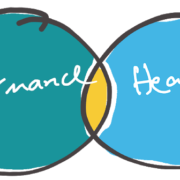
Performance and health circles and overlap

To answer the questions from an evidence-based approach, I draw on the work of Scott Keller and Bill Schaninger (Beyond Performance 2.0, 2019) who present some useful definitions and distinctions about the terms, not to mention a depth of research that holds up across industries and sectors.

Performance is what an enterprise does to deliver improved results for its stakeholders in financial and operational terms. It’s evaluated through measures such as net operating profit, and total returns to shareholders. 

Health is how effectively an organisation works together in pursuit of a common goal. It is evaluated in levels of accountability, motivation, innovation, coordination, external orientation, and so on. A more memorable way to think about health-related actions is that they are those that improve how an organisation internally aligns itself, executes with excellence, and renews itself to sustainably achieve performance aspirations in its ever-changing external environment.

Performance and health circles and overlap (including wording)

The Question that Bites

Once these definitions are more clearly understood, I then ask the third question, “Which one (performance or health) do organisations focus on?” The answer is obvious – performance. It is rare for someone to say that organisations have a bias towards organisational health. Organisations should focus on performance to get performance, right? Wrong.

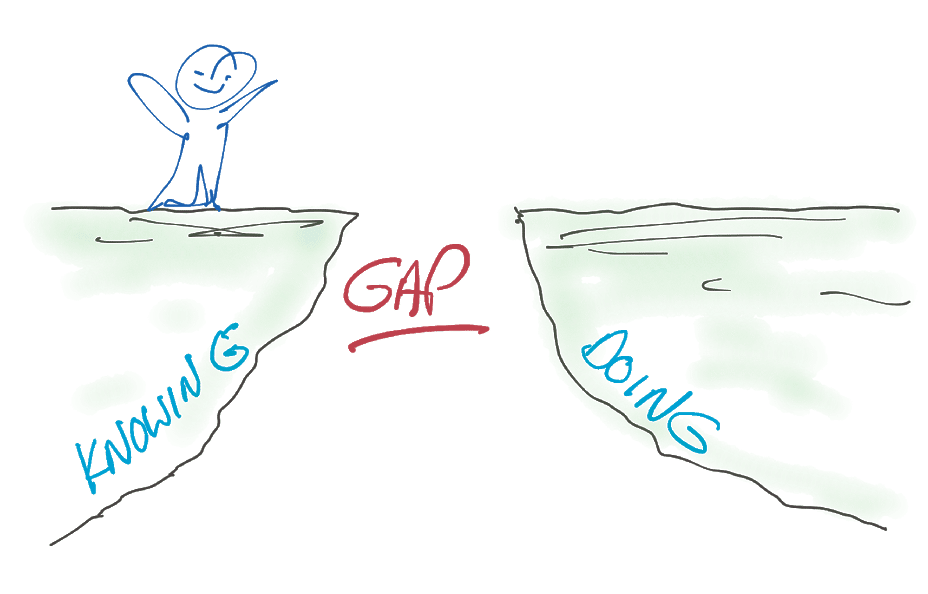
The last follow-up question is “Which one out of performance and health should leaders focus on? Most answer ‘health’ – and then there is usually an awkward silence – as some in the room realise that they have spent a lifetime perpetuating the myth that to get performance you should focus on performance. This is a classic ‘knowing-do’ gap. We know what to do, but fail to take action.  

Knowledge gap and doing

The Magic of ‘And’

The actual answer is BOTH. In a world where ‘either-or’ thinking dominates, focusing predominantly on one or the other is going to be counter-productive. It’s what has been called the magic of the ‘and’. Leaders need to focus on performance AND health concurrently. 

The power of...

However, the view that to get performance we need to focus on performance prevails. Not only does it prevail, but for many leaders it dominates their approach. A case in point was a conversation I once had with a CFO of a large Australian company, who said, and I quote, “We can’t focus on fixing the culture yet because we have invested in a major technology platform that now needs to be implemented.” 

There are many flaws in this thinking. Firstly, you can roll out the gold standard in technology, but if people aren’t aligned behind the organisation’s vision and purpose, then you’re likely going to be flushing a sizeable portion of it down the toilet. I once mentioned that we still seem to tolerate a high failure rate in organisational change (i.e. the change initiative fails to deliver on its promise) to a group of senior bankers. The head of technology acknowledged that they had possibly wasted around $1billion in the last year because of poor implementation. When I queried what he meant by ‘poor implementation’, he replied, “we forgot about the people.” Related to this point, a high profile change initiative is the perfect time to start to shift to a more constructive culture in how it is rolled out. Leaders need to use the initiative as a vehicle to demonstrate the ‘new way’, or aspirational culture in everything they do. Again, it’s an ‘and’. 

Performance and Health Matter Equally

The central premise of our work (and supported by an avalanche of research) is that leaders should put equal emphasis on the health elements of making change happen as they do the performance elements. 

As Keller and Schaninger point out, “Workplaces that are characterized by any or all of competing agendas and conflict (no alignment on direction), politics and bureaucracy (low quality of execution), and where work is “just a job” (low sense of renewal), aren’t just unhealthy for sustainably delivering bottom-line results—they are unhealthy for the human soul.”

Leadership must be the bridge between performance and health.

Performance and health circles and overlap - leadership is the bridge

Organisations that are healthy, however, are places people actually want to be, creating the environment and conditions for people to do – and be – their best. They mobilise and align around important organisational challenges and goals, they create a sense of belonging by fostering high-performance teams, and they foster creativity and innovation through a sense of psychological safety, encouraging ‘smart failures’ and promoting a sense of renewal. 

The Leadership Challenge

In the fast-paced, always-on, rapidly changing world we live in, the need for action and results is a powerful and seductive force. But if leaders focus on this to the exclusion of – or even to a greater extent than – developing organisational health, then it will ultimately come back to harm them and their organisation or team. There are numerous examples where a focus on performance alone has hurt the bottom (and top) line. Think about the leaders you have worked with where they have focused on performance to the exclusion of health. What were the results? In the short-term, probably pretty good. But anything beyond that there was a likely dip in performance and in fact a complete undermining of it. There may have also been substantial damage to the culture, its people, and the goodwill and trust required to run an enterprise.

The leadership challenge is to develop more sophisticated lenses to be able to see – really see – organisations as both systems and as a personal construct. Changing mindsets and behaviours are critical, but if you don’t understand the formal and informal structures and relationships that play out in the organisation, including the way that people take up their roles, then you will be doomed to achieving average results at best. And ‘average’ results in a world where change leadership is generally done poorly, means below what organisations, their people, and those they serve deserve. 

Why Focusing on Performance is Destructive

executive coaching services

Coaching Trends to Support Your Leaders During Times of Uncertainty

Coaching Trends to Support Your Leaders During Times of Uncertainty

When navigating uncertainty or change management, we rely heavily on our leaders to guide us through with minimal negative impact. It is important to remember that it is during such challenging times that we must also ensure that support is given to them as well. A great number of unprecedented challenges have been overcome in the past year as many industries were forced to revolutionise their operational practices. Leadership development and executive coaching has been no exception. As a result, several once emerging trends have proven their longevity. These are some of the most prevalent factors that clients are now looking for in a coach.


Authenticity

The added stress that individuals feel during times of crisis, means that their tolerance for platitudes and ‘corporate speak’ decreases significantly. The use of such jargon increases the level of distrust they have in management or the organisation. Leaders undergoing executive coaching while managing a crisis, want the same thing their staff want from them – clarity. The best way to provide clarity is by being authentic in your approach and delivery. How you speak matters just as much, if not more than what you are saying. Throughout her book, Dare to Lead™, Brene Brown explores how vulnerability is often a key component of brave leadership. The Dare to Lead™ program delves deeply into this idea of how vulnerability contributes to authenticity in leadership and how it is linked to bravery.

Not Just for C-level

As the name suggests, executive coaching has long been considered a luxury only available to senior leaders. This perception is changing as companies are recognising the need to support and develop both existing and high potential leaders across all levels. The impact of including leaders at even the directorial or managerial level in executive coaching programs is that it creates the opportunity for those who may otherwise be overlooked for promotion to stand out. It also allows for lower ranking leaders to develop the skills that will be necessary for them to have once they reach a more senior position.

Social Media

Circumstances being what they were in 2020 meant that we saw increased creation and interaction via social media than almost ever before. Many people turn to social media in search of inspiration and tips for finding solutions to their problems. The perceived authenticity of social media over more traditional marketing campaigns is what makes platforms like Facebook and Instagram so appealing to clients. Engaging with potential clients on these platforms provides them with insight into who you are as a person and as a coach before they even speak with you. 

Personalisation

With the prevalent practice of working remotely, the demand for similarly delivered executive coaching services is rising. Potential clients are becoming less interested in general or group programs and more concerned with finding a coach who can help them with their specific personal and professional goals. By choosing to work with a specialised coach, they are prioritising the needs specific to them, rather than spending time they may not have, participating in a full course that will not benefit them. For coaches, this means they will have a greater chance of working with new clients if they are able to provide services that are personalised and have a narrower focus. With so much white noise in our personal and professional lives, and the ongoing pressures of leading through change and times of uncertainty, having a coach by your side that understands you is one of the most valuable gifts we can give ourselves and others in our organisation. At The Leadership Sphere, we see organisations without coaching to support leadership development achieve a 3 x return on investment, whereas those who blend leadership development training with ongoing coaching and leadership development and support, receive 10 x return on investment. Greater spend in terms of money and time, however, the impact on the return is a continued topic of much interest!

Driven to Learn

With the rapid changes that are brought about by a crisis, leaders often find themselves underprepared for the new challenges they face. They can feel as though they are losing confidence in their own skills and effectiveness. Fortunately, this does allow the opportunity for leaders to reflect on their recent performance and assess where their development might be stalled. Uncertainty creates a drive to learn new skills to prepare ourselves as much as we can for any number of possible circumstances. Executive coaching programs offer this opportunity in a way that addresses the specific concerns of the individual. 

When faced with new and unpredictable circumstances, we expose both our strengths and our weaknesses. It is important for leaders that they can recognise each of them in order to continue in their ongoing development. We must expand our view of what executive coaching looks like, in terms of its delivery, content, and presence. As the world continues to shift further into digital spaces, the world of coaching must follow to provide value and support for those that need it. In fact, one might say that executive coaching is a critical part of uncovering where our risks and opportunities are when it comes to leadership development, and from that we can ensure learning is being directed at those areas that will maximise our results!

For more information about The Leadership Sphere and how we can help you unlock performance through leadership, by supporting your leaders at every level of the organisation with leadership development, executive coaching and high performance team programs please visit our website or call us on 1300 100 857.

Coaching Trends to Support Your Leaders During Times of Uncertainty

leadership training program

High Performance Training and Development Trends for Building Trust During Times of Uncertainty

High Performance Training and Development Trends for Building Trust During Times of Uncertainty

In today’s rapidly developing business environment, the idea of what a high performance team looks like is also evolving. Increasingly, we are seeing more and more teams becoming dispersed geographically as the possibility of remote operations for organisations becomes commonplace. Building high performance teams can be difficult. For these teams it is more important to focus on how the individuals interact with one another in service of their goals, rather than the productivity of any one person. As the unprecedented challenges of the COVID-19 pandemic has taught us, this focus becomes especially important during times of crisis and uncertainty. 

Team Structure

Size is a significant factor in beginning to build your team. For high performance teams, a small number is needed to ensure focus and dedication. However, we must be careful not to make it too small, as the resulting lack of diversity can lead to poorer and slower decision making. Conversely, too large and ‘sub-groups’ form that can detract from the team’s objective by pursuing their own agenda instead. Bigger teams can also create ‘herd mentality’ amongst members, allowing the ownership of team decisions to be undermined. 

When selecting individuals to be part of your high performance team, it is also important to consider what skills, experience, backgrounds, and attitudes each person brings forward. This is what we refer to when we talk about diversity within these teams. Too many similar ideas prevent growth and innovation. By drawing team members from a variety of positions and levels in the organisation, there is a greater opportunity for new ideas to arise. 

Dynamics

Once the structure of your team has been determined, it is time to look at how the team performs together. Only after people begin to work together that the dynamics of the team reveal themselves. It is not enough to put the highest individual performers together and expect the team to thrive. Each person must understand how their work contributes to the greater goal or purpose, and how they both support, and are supported by the contributions of others. 

High performance teams are defined by three key dimensions of high performance teamwork. The first is coherence in direction. This is the combined effort of the team to fully understand the goals of the company and the role they play in reaching them. The second is high-quality interaction. Trust is the leading factor in this area as it drives the open communication and ability to embrace conflict that makes these teams successful. Lastly is the cultivation of an environment that encourages innovation and a willingness to take risks.

High Performance Teams Training to Build Trust

Trust is the very foundation of all high performance teams. The support that members provide for one another stems from the understanding that they are all working to achieve a united goal. Therefore, when conflicts do arise or suggestions are made, individuals work collaboratively to come to a solution. High performance training programs that focus on developing strong levels of trust help to establish a greater sense of team for participants. During times of uncertainty, teams that are lacking in trust are more prone to argumentative behaviour and blaming, rather than problem solving. Teams that can come together in the face of crises make better decisions and succeed far beyond the time the challenges are overcome. Even teams that are already considered high performing can benefit from additional development programs. The presence of an external observer may help to identify unknown problem areas and coach them to incorporate tools for overcoming them. 

By bringing together a new team of people, it will alter the structure and dynamics of their performance. To sustain a high performance team’s success during and beyond times of crisis, they must first build and develop a trusting relationship. Training programs that are specifically designed around your teams’ needs are an invaluable resource and certainly an investment worth making to ensure future success.

For more information about The Leadership Sphere and how we can help you unlock performance through leadership, by supporting your leaders at every level of the organisation with leadership development, executive coaching and high performance team programs please visit our website or call us on 1300 100 857.

High Performance Training and Development Trends for Building Trust During Times of Uncertainty

leadership development program

Leadership Training and Development Trends for High Performance During Times of Uncertainty

Leadership Training and Development Trends for High Performance During Times of Uncertainty

In the 12 months since the world was thrown into a near complete shut down due to the spread of COVID-19, the shift in how leadership training is delivered continues to evolve. As we begin the slow return to normalcy, it is worth taking the time to reflect on how the changes we have adapted to have proven successful for developing high performance teams. Though much of our activity has been uncertain for so long, there is also a lot that can be learned from how we handled such uncertainty. What worked? What did not? And what trends will continue in a post-COVID world? 

Online Leadership Training

Perhaps the most prevalent change of the past year has been the significant increase in the use of virtual meeting spaces such as Zoom and Microsoft Teams for conducting leadership development training. Though online training systems were certainly commonplace prior to the pandemic, the necessity for their exclusive use has brought to light the many benefits they provide. When The Leadership Sphere moved the delivery of the Dare to Lead™ Program to Zoom, we were able to continue to provide high quality training to participants across Australia. The ability to develop and maintain connections will continue to be integral to the success of leadership training programs in the future.

Flexible Training Programs

In addition to being able to run live training programs, one of the greatest benefits of online leadership training is the fact that many courses can be self-paced. In a rapidly developing business environment, many individuals in leadership positions are finding themselves to be time-poor. Self-led or self-paced leadership development programs offer the flexibility to engage with the learning in a way that fits in with their schedule. This means that they can continue to deliver high performance in their work without being distracted by the needs of their training. Simultaneously, they can give their full focus to their training without worrying about how they’re going to meet upcoming deadlines. 

Change Management

Effective change management has been one of the most vital factors in business endurance during these times of uncertainty. Unfortunately, many businesses have struggled to cope in the face of it. This has exposed the need for leadership training moving forward to encompass a greater focus on navigating change and succeeding while also dealing with major unexpected disruptions. Managers must now, more than ever, be prepared to lead and support their teams through time of crisis.

Leading Remote Teams

We often think of leadership in a very hands on and face-to-face capacity, however the last decade has seen a consistent shift towards more remote operations for many industries. With this shift, comes the added challenge of leaders needing to manage teams whose members may rarely get to meet in person. This requires that leadership training programs reflect this and ensure the development of skills necessary for this style of business. 

Soft Skills Development

The development of soft skills within the workplace has been a growing focus for some time, and the uncertainty and stress caused by the global pandemic has highlighted how necessary such skills are in all roles, but especially in leadership. In times of crisis, leaders must exhibit higher levels of empathy and emotional intelligence to effectively support and communicate with their teams. Soft skills are becoming more integral to organisational success as workplace culture becomes more important to potential employees.

Where we go from here with Leadership Development

The importance of leadership training and development has always been widely known. However, the disruption and uncertainty caused by the COVD-19 pandemic shone a much needed light on the role that the resilience of leaders plays in succeeding through times of crisis. It has taught us that we can adapt in any situation and that what we learn under pressure can have a lasting impact in how we grow and develop into the future.

For more information about The Leadership Sphere and how we can help you unlock performance through leadership, by supporting your leaders at every level of the organisation with leadership development, executive coaching and high performance team programs please visit our website or call us on 1300 100 857.

Leadership Training and Development Trends for High Performance During Times of Uncertainty

what are the benefits of executive coaching

When is the Best Time to Invest in Executive Coaching?

When is the Best Time to Invest in Executive Coaching?

Executive coaching is tailored leadership development for senior executives, other leaders, and high potential talent. Unlike other leadership development programs, executive coaching is a one-on-one partnership between leader and coach that addresses the leader’s specific goals and challenges. It offers the opportunity to explore and develop the skills that you aspire to possess to be a successful leader. This means that an individual may choose to take advantage of involving an executive coach at any point. There are certain times however, that it may be more beneficial to begin working with an executive coach.


Role or Career Change

One of the many benefits of executive coaching is having the ability to see the in progress effectiveness of the leadership skills they are developing. This may be of particular benefit when an individual takes on a new leadership position or enters a new industry. They may require assistance in navigating the unfamiliarity of their new position. In this situation, the coach is able to provide leadership development training that can be implemented immediately because it is contextualised within the bounds of the specific role.

Managing Conflict and Crisis

Executive coaching can also be a useful tool during times of conflict and of crisis. These moments can be especially challenging when there is a lot of change happening in a very short space of time. Here, the executive coach is a great asset to the individual as an objective sounding board for ideas. Through executive coaching programs, the coach is to help the leader gain a better understanding of their own thought processes so that they are able to resolve issues independently. 

Employee Development

Though executive coaching is often undertaken by C-level leaders and senior executives, it may be worth considering for those who have been identified as high potential talent. Investing in executive coaching prior to the appointment of a more senior role, prepares the individual ahead of time by developing the skills needed to meet their specific goals. This means that when they do take on the new position, they do so with a greater idea of their own capabilities and how they will contribute to overall company success. 

Improved Communication

One of the issues most often addressed in an executive coaching program is the need for better interpersonal communication. This is achieved using advanced leadership tools such as 360 reporting that allows the individual to understand how they are perceived by others, and also improve upon their emotional intelligence. Emotional intelligence is an important factor for being able to be understood effectively with people whose communication style differs from one’s own. 

The reasons an individual may have for considering executive coaching can be quite varied and, like executive coaching itself, all depends on what they hope to gain from it. The Leadership Sphere executive coaching programs help to embed new skills, improve interpersonal communication, and assist in change management at the individual, team, and organisational level. What matters most is that the relationship between the coach and the individual is built on trust. Therefore it is important to establish an understanding of where a person has been and where they want to go. Getting the balance of what one wants to achieve and how much they are able to be challenged is one of the hidden skills of a great leadership coach!

For more information about The Leadership Sphere and how we can help you unlock performance through leadership, by supporting your leaders at every level of the organisation with leadership development, executive coaching and high performance team programs please visit our website or call us on 1300 100 857.

Executive coaching is tailored leadership development for senior executives, other leaders, and high potential talent. Unlike other leadership development programs, executive coaching is a one-on-one partnership between leader and coach that addresses the leader’s specific goals and challenges. It offers the opportunity to explore and develop the skills that you aspire to possess to be a successful leader. This means that an individual may choose to take advantage of involving an executive coach at any point. There are certain times however, that it may be more beneficial to begin working with an executive coach.


Role or Career Change

One of the many benefits of executive coaching is having the ability to see the in progress effectiveness of the leadership skills they are developing. This may be of particular benefit when an individual takes on a new leadership position or enters a new industry. They may require assistance in navigating the unfamiliarity of their new position. In this situation, the coach is able to provide leadership development training that can be implemented immediately because it is contextualised within the bounds of the specific role.

Managing Conflict and Crisis

Executive coaching can also be a useful tool during times of conflict and of crisis. These moments can be especially challenging when there is a lot of change happening in a very short space of time. Here, the executive coach is a great asset to the individual as an objective sounding board for ideas. Through executive coaching programs, the coach is to help the leader gain a better understanding of their own thought processes so that they are able to resolve issues independently. 

Employee Development

Though executive coaching is often undertaken by C-level leaders and senior executives, it may be worth considering for those who have been identified as high potential talent. Investing in executive coaching prior to the appointment of a more senior role, prepares the individual ahead of time by developing the skills needed to meet their specific goals. This means that when they do take on the new position, they do so with a greater idea of their own capabilities and how they will contribute to overall company success. 

Improved Communication

One of the issues most often addressed in an executive coaching program is the need for better interpersonal communication. This is achieved using advanced leadership tools such as 360 reporting that allows the individual to understand how they are perceived by others, and also improve upon their emotional intelligence. Emotional intelligence is an important factor for being able to be understood effectively with people whose communication style differs from one’s own. 

The reasons an individual may have for considering executive coaching can be quite varied and, like executive coaching itself, all depends on what they hope to gain from it. The Leadership Sphere executive coaching programs help to embed new skills, improve interpersonal communication, and assist in change management at the individual, team, and organisational level. What matters most is that the relationship between the coach and the individual is built on trust. Therefore it is important to establish an understanding of where a person has been and where they want to go. Getting the balance of what one wants to achieve and how much they are able to be challenged is one of the hidden skills of a great leadership coach!

For more information about The Leadership Sphere and how we can help you unlock performance through leadership, by supporting your leaders at every level of the organisation with leadership development, executive coaching and high performance team programs please visit our website or call us on 1300 100 857.

When is the Best Time to Invest in Executive Coaching?

leadership in 2021

What Does Leadership Look Like In 2021?

What Does Leadership Look Like in 2021?

Businesses across every industry were forced to make dramatic changes to the ways in which they operate over the past year. Business leaders, managers and their teams have had to adapt rapidly to (in many cases) entirely new procedures. Our senior managers and HR leaders have been at the forefront of implementing these changes to ensure success at every level. How has this last 12 months changed our perception of leadership? How have our expectations of those in leadership changed as a result? The challenges that we faced and will continue to be around as a result of COVID-19 have forced us to take a closer look at what it means to be a great leader, especially during times of crisis, and its recovery. What lessons were learned? And of course, the big question on everyone’s list is what does leadership look like in 2021?

Trust

Leadership is about more than simply being given the role of ‘leader.’ It is an important quality within a person that inspires others to be at their best. Great leaders are able to do this by creating trusting and supportive environments wherein their team are empowered to develop skills and build confidence in themselves. With many businesses still restricting some of their in-person operations, it is even more important that managers are able to trust their employees to continue to perform their role to the same standards expected of them in the office or workplace. Likewise, those same employees must also be able to trust their leaders to provide the same level of support they would receive were they not working remotely. Trust is a big part of organisational performance and evidence suggests that during COVID-19 those high performance teams who already have well established trust, performed equal to pre-COVID-19 if not higher. Yet, those teams with lower trust experienced a decline in performance.

Communication

As with trust, remote operating procedures have highlighted the importance of having excellent communication within a team. It is a skill that we can not afford to overlook. For leaders this means being able to deliver ideas and feedback by being authentic. Authentic in the sense that the language used isn’t comprised of, nor do we hide behind a lot of complicated jargon; rather, it is your own authentic voice. This lets your team know that you are being yourself and not keeping information from them. In turn, this can help to build trust between you and your team. Interestingly at The Leadership Sphere we have seen an increase in businesses looking for high performance teams training, support with development around performance management, and coaching to help senior managers and leaders with giving and receiving feedback.

Emotional Intelligence

Emotional intelligence is an important skill for leaders. Just like trust and communication,it becomes even more important during times of crisis. By developing this skillset through leadership development programs, leaders are able to gain a deeper understanding of the concerns of their team. The key word here being leadership development programs, rather than one off courses, that is a program of ongoing workshops, coaching and reviews that enable self awareness, self reflection and 360 degree feedback along the way. In doing this, they are also better equipped to guide their teams through the challenges they face both day-to-day, as well as on the global scale experienced recently. We can look at the extreme challenges brought on by the pandemic as an opportunity to reflect on our understanding of our emotional intelligence and how this affects the ways we behave during difficult situations.

“Great leaders not only must respond to change, but often be the driving force behind it.”

Flexibility

Change is an ever present part of any industry and must be met with flexibility. Great leaders not only must respond to change, but often be the driving force behind it. Having the ability to adapt quickly to unexpected or unfamiliar situations is a skill that allows for productivity to continue, even in times of transition or uncertainty. Leadership development programs can help leaders learn how to navigate change by giving them the tools needed to become more receptive of innovation. Being a flexible leader means you are able to embrace change and are open to new ideas. There have been increasing requests for support with performance management as part of The Leadership Sphere leadership development programs and high performance culture workshops, and these have been invested by organisations who are looking at change across their business and building more flexibility and resilience into their leaders and senior managers.

What does this mean for the future of leadership?

For leaders moving forward, it is imperative that we continue to embrace each new challenge that awaits us. Not to do so would be detrimental to the success and growth of any business. It is only by reflecting on the successful ways business and leadership styles have been forced to adapt, that we can recognise the path we must follow into the future. By engaging expertise from The Leadership Sphere and building out a leadership development framework and supporting leadership development and high performance development program, managers are able to strengthen their ability to lead with trust and the support of their team.

For more information about The Leadership Sphere and how we can help you unlock performance through leadership, by supporting your leaders at every level of the organisation with leadership development, executive coaching and high performance team programs please visit our website or call us on 1300 100 857.

What Does Leadership Look Like In 2021?

working at a desk with laptop and notebook

Making The Move To Online Learning For Leadership Development

Making The Move To Online Learning For Leadership Development

The way we connect, learn, and work has undergone a significant overhaul since the Coronavirus pandemic reached a global scale at the beginning of the year. As we approach the final weeks of 2020, let us reflect on the impact that this shift in operations has had and what lasting effects we may take into 2021 and beyond. Online learning has been one of the most discussed and debated issues to arise in the wake of this continual change. Though the focus has largely been on schools, it is worth investigating how we might approach the topic as it relates to online leadership development. Incorporating virtual leadership programs into your learning and development benefits not just the participants, but the whole organisation. Delivering this kind of training online, participants can take ownership of their own learning. Interesting though is the varied perceptions of what online learning is, and we should note that online learning may be self paced online learning, or a virtual classroom (which is an adapted version of face to face, for learning and development activities such as leadership development, which has best impact when delivered by an expert facilitator, live).

Advantages of Online Learning


Flexibility

Often, face-to-face training programs are run over the course of one or two days thus limiting the amount of time participants and facilitators must dig deeply into the material. When participants are given control over how and when they interact with their program means that they can take the time they need to truly immerse themselves in the learning. It also allows for the learning to take place around a potentially busy schedule rather than interrupting several days work on other commitments. This kind of self paced leadership training makes it possible to revisit topics of interest or misunderstanding as much as is needed. 

Saves on Resources

Just as online leadership programs provide a flexible option for participants, they are also a flexible option for organisations. This is because online training can be delivered at a fraction of the strain on resources as classroom style programs. Several of the costs associated with face-to-face programs can be eliminated – space, time, and distance often being the biggest obstacles. The greatest benefit of this approach is that it may allow for more people to be offered the opportunity to participate as these added restrictions are no longer a factor. As a result, team members would not have to miss out on reaching their highest potential as leaders or developing vital skills.

Progressive Learning

Though virtual programs were popular prior to the outbreak of Coronavirus, the pandemic forced many who weren’t already using the available technology to adapt quite quickly or risk falling far behind. The globalisation of most industries means that in order to be forerunners in the field, you must be embracing of innovation. The switch to remote learning and operations is something that has been occurring more and more over the last decade, even for areas beyond compliance, such as leadership development programs, development of high performance teams, executive coaching and other leadership initiatives. What might have taken another few years to become ‘the norm’ happened rapidly over a few short months. By adopting the use of new technologies as early as possible, the more prepared your leaders (and organisation) can be for the future of learning and development.

Improved Virtual Communication & Collaboration

In addition to gaining the technical skills to keep up with new learning tools as they are developed, participants of online training programs also gain the advantage of discovering how to work with others in a virtual environment. This is an unquestionable advantage in the face of globalising industries. The far reaching access to online training allows participants to take part from anywhere in the world. This provides the opportunity to discuss ideas and network with people with a broader range of past experiences and perspectives, expanding your own cross-cultural understanding. Leaders have adjusted the way they manage teams because of remote settings, and how we coach and mentor in new ways that make staff feel that they are supported, albeit from a different physical location.

It was for these reasons above that The Leadership Sphere made the decision to move the extremely successful Dare to Lead Program from being an in person workshop to an online facilitator-led course. In doing this, we have been able to continue to provide this service in a way that allows leaders in different states and  even countries to come together to share in their learning. In a global environment that is constantly shifting and evolving in new ways, we must prepare ourselves with the skills needed to evolve with it. By making the move to online learning for leadership development we can remove some of the obstacles that may hold us back and instead, allow ourselves the advantage of learning from those with whom we may not have otherwise had the opportunity. 

For more information about The Leadership Sphere and how we can support your leaders with leadership development, executive coaching and high performance team programs please visit our website or call us on 1300 100 857.

Making The Move To Online Learning For Leadership Development

team meeting online using Zoom

Do You Have The Right Leadership In Place to Survive Coronavirus?

Do You Have The Right Leadership In Place to Survive Coronavirus?

As COVID-19 continues to disrupt the daily workings of all businesses, directly and indirectly, depending on the type of business you are in, we must stop to consider all of the ways in which it has forced us to become innovators. Without the convenience of having our co-workers and clients nearby we’ve become even more reliant on email, phone calls and web conferencing to stay in touch with each other and conduct networking and maintain personal and professional relationships. With many of us working from home rather than in the office, it is more important than ever before that our leaders are well equipped to propel us forward in times of sustained uncertainty. Corporate leadership programs offer businesses the opportunity to provide their leaders with fundamental skills that will allow them to not only survive turbulent times (not only during this pandemic), but to thrive.

Here are three key leadership skills to getting through times of uncertainty:

Accountability

It can be difficult to remain self-motivated when you’re constantly surrounded by distractions and aren’t confined to a formal office environment. Even if you’re an incredibly dedicated person, everyone has their limits. This is where it becomes important for leaders to provide their teams with a level of accountability beyond a mere deadline. Deadlines might ensure that the work gets done, but accountability serves as a greater motivator to produce excellence. Through regular check-ins with teams and individuals, employees are encouraged to assess their own progress and ability to deliver.

Clear Expectations

While we might have resolved the issue of how we communicate with our teams by incorporating a greater use of technology in our work lives, what and when we are communicating can at times be infrequent. Strong communication goes far beyond setting a list of tasks for employees to complete and leaving them to it. Providing clear expectations and understanding of individual tasks, as well as team and company goals, is vital to ensuring those expectations are met.

Resilience

Resilience is a vital skill (yes….. it is a skill!) that leaders and organisations have always had to have but now it has become critical because operating under unpredictable circumstances has now become business as usual. Since the coronavirus pandemic reached its peak in March 2020, the resilience of our leaders has been tested in unprecedented ways. Even great teams will face difficulties at some point. It is how we deal with these difficulties that determine whether we succumb to the pressure or bounce-back stronger. Targeted leadership capability development should include a focus on resilience and creative problem solving.


Knowing what the right leadership capability skills you need can be a confusing proposition, as there are many and varied opinions on what is the right investment. Interestingly, there has been a direct correlation between those organisations that are continuing to invest in leadership development and those who are finding new ways to thrive during these uncertain times. The Leadership Sphere tailors targeted programs to the needs of individual businesses as there can be no one size fits all approach when it comes to executive leadership development. Though there are several skills that prove to be integral to high performance leadership time and again. Without considering the benefits of creating accountability and setting clear expectations, during normal times and in the middle of a pandemic, we can not hope to build resilient leaders.

For more information about The Leadership Sphere and how we can support your leaders with leadership development, executive coaching and high performance team programs please visit our website or call us on 1300 100 857.

Do You Have The Right Leadership In Place to Survive Coronavirus?

innovation management chnage management

Design Thinking – Trick or Treat?

Design Thinking – Trick or Treat?

What is it?

According to Tim Brown, president and CEO of IDEO:

“Design thinking is a human-centered approach to innovation that draws from the designer’s toolkit to integrate the needs of people, the possibilities of technology, and the requirements for business success.”

Lets Take a Step Back First…

Design as a “way of thinking” in the sciences can be traced to Herbert A. Simon’s 1969 book The Sciences of the Artificial, and in design engineering to Robert McKim’s 1973 book Experiences in Visual Thinking. Peter Rowe’s 1987 book Design Thinking, which described methods and approaches used by architects and urban planners, was a significant early usage of the term in the design research literature.

Rolf Faste expanded on McKim’s work at Stanford University in the 1980s and 1990s, teaching “design thinking as a method of creative action.” Design thinking was adapted for business purposes by Faste’s Stanford colleague David M. Kelley, who founded IDEO in 1991. Over the past 25 years, this practice has become most closely associated with the Hasso Plattner Institute of Design at Stanford University (commonly known as the ‘d.school’).

A Deeper Examination

According to Brown (HBR, 2008), traditionally designers were asked to make an already developed idea more attractive to consumers, however now companies are asking them to create ideas that better meet consumers’ needs and desires. The former role is tactical, and results in limited value creation; the latter is strategic, and leads to dramatic new forms of value.

Intersection

The approach brings together what is desirable from a human point of view with what is technologically feasible and economically viable (see figure below).

But I’m Not Creative!

Design thinking is a deeply human process that taps into abilities we all have but get overlooked by more conventional problem-solving practices. Design thinking relies on our ability to be intuitive, to recognize patterns, to construct ideas that are emotionally meaningful as well as functional, and to express ourselves through means beyond words or symbols. Nobody wants to run an organization on feeling, intuition, and inspiration, but an over-reliance on the rational and the analytical can be just as risky. Design thinking provides an integrated third way. It also allows people who aren’t trained as designers to use creative tools to address a vast range of challenges.

“Thinking like a designer can transform the way organisations develop products, services, processes, and strategy.” – IDEO

Bringing Together the three ‘I’s’

Design thinking consists of three overlapping spaces: inspirationideation, and implementation. Inspiration is the problem or opportunity that motivates the search for solutions. Ideation is the process of generating, developing, and testing ideas. Implementation is the path that leads from the project stage into people’s lives.

What About Results?

In assessing design thinking, it is clear that it is in fact a proven and repeatable problem solving protocol that any business or profession can employ to achieve big results. By using both analytical tools and generative techniques, organisations can see how their new or existing operations could look in the future — and build road maps for getting there.

There are many examples of big companies that use design thinking in their day-to-day operations, like Apple and Google. However design thinking can and does work for all types of organizations, big and small. The result can be new,  innovative avenues for growth that are grounded in business viability and market desirability.

Where is it Today?

In the September 2015 edition of the Harvard Business Review (Design Thinking Comes of Age), design thinking was described as a set of principles – empathy with users, a discipline of prototyping, and tolerance for failure chief among them. The article went on to say:

“…is the best tool we have for creating those kinds of interactions and developing a responsive, flexible organizational culture.” – HBR, Sept. 2015

The ‘Idea in Brief’ described in the same edition of HBR (below) highlights the critical role design thinking is now playing in many organisations.

change-management

So…Trick or Treat?

So based on my research, which included desk research (reading everything I could on the subject) and talking with many people in many industries, I formed the view (in my humble opinion) that design thinking is indeed a treat. It has proven itself to more than just a tool or even a process, but rather a way to manage and lead organisations.

Further Posts

I’ll be writing a series of posts centred around how design thinking can help organisations become more innovative, change ready, and agile.

Simulations

Based on my conversations and research, I discovered a firm called ExperiencePoint – who in partnership with IDEO – offer innovative, challenging and fun workshops that teach design thinking in a very applied way by way of computer-based simulations that pack several months of ‘running a project or initiative’ in to a day.

The Leadership Sphere is now accredited to conduct these programs – ExperienceChange and ExperienceInnovation – with teams, managers or anyone interested in creating a high performing organisation through innovation, change and growth.

If would like to learn more about:

Work With Us

If you’re interested in learning more about these programs and how we may be able to work with you to achieve outstanding results, then you can call us on 1300 100 857 or email: support@theleadershipsphere.com.au.

Design Thinking – Trick or Treat?

Change Management Needs Change

Change Management Needs Change

Change Management Needs Change

Ron Ashkenas (Schaffer Consulting) recently blogged on HBR about the state of change management as a discipline, saying that while change management has been in existence for over half a century and despite the huge investment that companies have made in tools, training, and thousands of books (over 83,000 on Amazon), most studies still show a 60-70% failure rate for organizational change projects – a statistic that has stayed constant from the 1970’s to the present.

Is ‘Change Management’ Really the Problem?

He goes on to say that given this evidence, is it possible that everything we know about change management is wrong and that we need to go back to the drawing board? Should we abandon Kotter’s eight success factors, Blanchard’s moving cheese, and everything else we know about engagement, communication, small wins, building the business case, and all of the other elements of the change management framework?

His alternative hypothesis and one we agree with is that the content of change management is reasonably correct, but the managerial capacity to implement it has been woefully underdeveloped. In fact, instead of strengthening managers’ ability to manage change, we’ve instead allowed managers to outsource change management to HR specialists and consultants instead of taking accountability themselves – an approach that often doesn’t work.

Ask Yourselves These Questions…

Ashkenas then asks the following questions for consideration if your organisation (or your piece of it) struggles with effectively implementing change:

1. Do you have a common framework, language, and set of tools for managing significant change? There are plenty to choose from, and many of them have the same set of ingredients, just explained and parsed differently. The key is to have a common set of definitions, approaches, and simple checklists that everyone is familiar with.

2. To what extent are your plans for change integrated into your overall project plans, and not put together separately or in parallel? The challenge is to make change management part and parcel of the business plan, and not an add-on that is managed independently.

3. Finally, who is accountable for effective change management in your organization: Managers or “experts” (whether from staff groups or outside the company)? Unless your managers are accountable for making sure that change happens systematically and rigorously – and certain behaviours are rewarded or punished accordingly – they won’t develop their skills.

Going Deeper.

To build on these points, I would like to offer our view at TLS:

1. Technical Lens: Change often fails because we view it through an overly technical lens, failing to appreciate the people side such as considering what changes we are really asking people to make, not just redrawing lines on an organisational chart? If you’ve ever moved a team member from one desk to another and wondered why it was so hard, you’ll know that there is always a non-technical component to every change! Maybe you’re moving them away from the pathway to the kitchen and therefore their vehicle for social connection for example?

2. 100-year Old Management Approach: Most organisations are still stuck in the last century or perhaps even the century before that! Until we equip managers with the right resources, tools and skills to approach change in a much more thoughtful way, we will continue to wonder why ‘change management’ doesn’t work.

3. Give the Work to the Rightful Owners: In our desire (and fears) to try to meet the expectations of a antiquated management approach, we assume those in authority have to also have the answers and then direct the foot soldiers to go away and do the work – and then we wonder why people don’t feel engaged, excited and accountable. We need to practice letting go of control and position the work with the right people.

One of our approaches for example, called TakeON!, gives the work of developing managers and coming up with real solutions to real problems back to the business. Leader-led conversations generate ownership, accountability and skill development in a real-world setting. Consultants are in the background supporting the process, but it’s being led in a sustainable way by people in the business. It may be useful to examine your own organisation to see where those in authority are playing that card too much and paying the price of actually managing ‘non-change’.

Change Management Needs Change