Blog title here

How to Diagnose Team Performance Gaps: People vs. System
How to Diagnose Team Performance Gaps: People vs. SystemTo…


Every leader wants their team to perform well. However, achieving this requires a delicate touch. Push too little, and projects veer off course. Hover too closely, and you stifle the very talent you hired to do the job. Many executive leaders struggle with this dynamic, often blurring the line between guiding a team and controlling their every move.

Finding the sweet spot allows managers to empower teams without overstepping. We explore the key differences between accountability and micromanagement, offering practical ways for developing leadership skills that foster trust and high performance.
Accountability is about taking ownership of outcomes. It is not about tracking every minute of the working day, but rather ensuring that everyone understands their role in achieving broader business goals.
Key Characteristics of Strategic Accountability
True accountability requires mutual agreement. Leaders set the destination, but the team chooses the route. It relies on transparency, clear metrics for success, and a culture where team members feel comfortable discussing roadblocks.
Benefits of Fostering Accountability in Teams
When teams feel accountable, they become proactive. They solve problems independently and take pride in their work. This environment naturally supports senior leadership development, as managers can focus on long-term strategy rather than daily firefighting.
Micromanagement often stems from a leader’s anxiety or a lack of trust. Instead of focusing on results, the manager fixates on the process.
Signs of Micromanagement
Are you constantly asking for unnecessary updates? Do you rewrite your team’s work or insist on being copied into every email? These behaviours indicate a need for control that undermines team autonomy.
Negative Impacts on Team Morale and Performance
Constant scrutiny drains energy. Staff members quickly lose confidence and stop putting forward new ideas. Ultimately, micromanagement leads to burnout, high staff turnover, and a stifled, reactive workplace culture.
Transitioning from a controlling manager to an empowering leader is a journey we’ve guided many clients through. It requires a conscious shift in perspective and a commitment to new behaviours. Let’s walk through some examples of effective leadership behaviours for driving strategic accountability.
Establish a North Star: The Power of Clear Expectations
Imagine sending your team on a voyage without a map or a destination. That’s what it feels like to work without clear goals. We’ve seen teams transform when their leaders take the time to define what success looks like from the very beginning. It’s not just about setting a target; it’s about providing the rich context and the why behind the what, that allows your people to navigate independently and make decisions that align with your strategic vision.
Equip Your Crew: Provide Robust Resources and Support
A leader’s true power lies not in their own abilities, but in their ability to enable others. We once had an executive coaching client who was frustrated by her team’s slow progress. We discovered they were trying to build a metaphorical ship with half the necessary lumber. Empowerment it’s about actively removing obstacles and ensuring your people have the tools, budget, and training they need to excel. Your role is to clear the path for them.
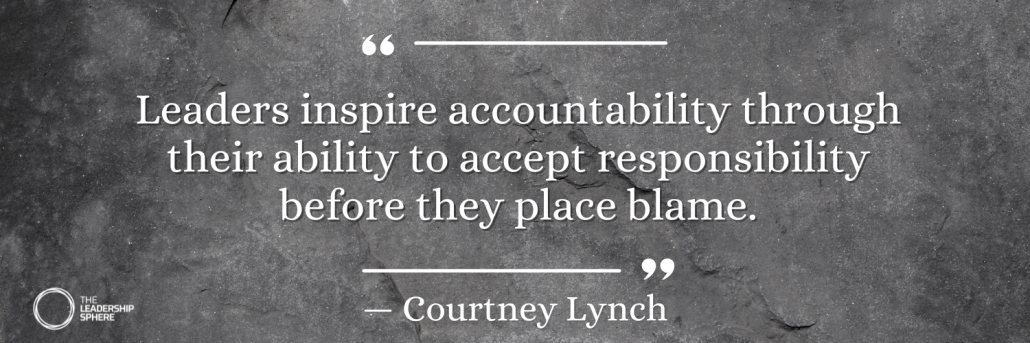
Navigate with Questions, Not Commands: Embrace Coaching
The most common trap for new leaders is believing they must have all the answers. The most effective ones, however, have all the best questions. Shifting from giving instructions to asking insightful, guiding questions is the cornerstone of great leadership. Through targeted leadership development programs, we focus heavily on this coaching mindset. When you help your team members find their own solutions, you’re not just solving a single problem; you’re building their critical thinking muscles for every challenge to come.
Let Go of the Helm: The Art of True Delegation
Delegation isn’t about offloading tasks you dislike. It’s a strategic distribution of responsibility based on individual strengths and growth potential. Countless leaders have struggled with this final, crucial step: letting go. You must trust your team to execute. When a mistake inevitably happens—and it will—view it not as a failure, but as a priceless teachable moment. It’s an opportunity to coach and learn, not a reason to seize control once more.
Even with the best intentions, establishing a culture of ownership can go wrong. Watch out for these common missteps.
Lack of clear communication: If expectations are vague, staff cannot meet them. Assuming everyone is on the same page often leads to missed deadlines and frustration.
Inconsistent application: Holding some team members to a different standard creates resentment. A framework only works if it applies fairly to everyone across the department.
Focusing on blame over solutions: When a project fails, a poor leader looks for a scapegoat. A strong leader looks for the root cause of the issue. Shifting the focus from assigning blame to finding a fix is essential for maintaining psychological safety.
Mastering the balance between accountability and micromanagement is a continuous journey. By establishing clear expectations, providing robust support, and trusting your people, you build a resilient, high-performing team.
Investing in your own growth through leadership development training can provide the tools necessary to refine your approach. Take a step back today, review how you assign tasks, and look for one area where you can offer your team more autonomy.
 https://theleadershipsphere.com.au/wp-content/uploads/2026/10/2610_004-Blog.png
1080
1920
Phillip Ralph
https://theleadershipsphere.com.au/wp-content/uploads/2021/09/TLS_Blue-Grey-Horizontal-300x124-fix.png
Phillip Ralph2026-10-20 08:00:202026-10-21 17:26:29Why Strategy Fails at the Execution Stage
https://theleadershipsphere.com.au/wp-content/uploads/2026/10/2610_004-Blog.png
1080
1920
Phillip Ralph
https://theleadershipsphere.com.au/wp-content/uploads/2021/09/TLS_Blue-Grey-Horizontal-300x124-fix.png
Phillip Ralph2026-10-20 08:00:202026-10-21 17:26:29Why Strategy Fails at the Execution Stage https://theleadershipsphere.com.au/wp-content/uploads/2026/10/2610_003-Article-scaled.jpg
1707
2560
Phillip Ralph
https://theleadershipsphere.com.au/wp-content/uploads/2021/09/TLS_Blue-Grey-Horizontal-300x124-fix.png
Phillip Ralph2026-10-15 08:00:512026-10-16 09:49:25Transforming Leadership Challenges into Opportunities
https://theleadershipsphere.com.au/wp-content/uploads/2026/10/2610_003-Article-scaled.jpg
1707
2560
Phillip Ralph
https://theleadershipsphere.com.au/wp-content/uploads/2021/09/TLS_Blue-Grey-Horizontal-300x124-fix.png
Phillip Ralph2026-10-15 08:00:512026-10-16 09:49:25Transforming Leadership Challenges into Opportunities https://theleadershipsphere.com.au/wp-content/uploads/2021/09/TLS_Blue-Grey-Horizontal-300x124-fix.png
0
0
Phillip Ralph
https://theleadershipsphere.com.au/wp-content/uploads/2021/09/TLS_Blue-Grey-Horizontal-300x124-fix.png
Phillip Ralph2026-10-13 08:00:092026-10-14 15:03:56How to Diagnose Team Performance Gaps: People vs. System
https://theleadershipsphere.com.au/wp-content/uploads/2026/10/2610_002-Article-scaled.jpg
1707
2560
Phillip Ralph
https://theleadershipsphere.com.au/wp-content/uploads/2021/09/TLS_Blue-Grey-Horizontal-300x124-fix.png
Phillip Ralph2026-10-08 08:00:002026-10-15 11:35:51Why Capable Teams Still Depend on Their Leaders
https://theleadershipsphere.com.au/wp-content/uploads/2026/10/2610_004-Blog.png
1080
1920
Phillip Ralph
https://theleadershipsphere.com.au/wp-content/uploads/2021/09/TLS_Blue-Grey-Horizontal-300x124-fix.png
Phillip Ralph2026-10-20 08:00:202026-10-21 17:26:29Why Strategy Fails at the Execution Stage
https://theleadershipsphere.com.au/wp-content/uploads/2026/10/2610_003-Article-scaled.jpg
1707
2560
Phillip Ralph
https://theleadershipsphere.com.au/wp-content/uploads/2021/09/TLS_Blue-Grey-Horizontal-300x124-fix.png
Phillip Ralph2026-10-15 08:00:512026-10-16 09:49:25Transforming Leadership Challenges into Opportunities
https://theleadershipsphere.com.au/wp-content/uploads/2021/09/TLS_Blue-Grey-Horizontal-300x124-fix.png
0
0
Phillip Ralph
https://theleadershipsphere.com.au/wp-content/uploads/2021/09/TLS_Blue-Grey-Horizontal-300x124-fix.png
Phillip Ralph2026-10-13 08:00:092026-10-14 15:03:56How to Diagnose Team Performance Gaps: People vs. System
https://theleadershipsphere.com.au/wp-content/uploads/2026/10/2610_002-Article-scaled.jpg
1707
2560
Phillip Ralph
https://theleadershipsphere.com.au/wp-content/uploads/2021/09/TLS_Blue-Grey-Horizontal-300x124-fix.png
Phillip Ralph2026-10-08 08:00:002026-10-15 11:35:51Why Capable Teams Still Depend on Their Leaders
https://theleadershipsphere.com.au/wp-content/uploads/2021/09/TLS_Blue-Grey-Horizontal-300x124-fix.png
0
0
Phillip Ralph
https://theleadershipsphere.com.au/wp-content/uploads/2021/09/TLS_Blue-Grey-Horizontal-300x124-fix.png
Phillip Ralph2026-10-13 08:00:092026-10-14 15:03:56How to Diagnose Team Performance Gaps: People vs. System
https://theleadershipsphere.com.au/wp-content/uploads/2026/10/2610_002-Article-scaled.jpg
1707
2560
Phillip Ralph
https://theleadershipsphere.com.au/wp-content/uploads/2021/09/TLS_Blue-Grey-Horizontal-300x124-fix.png
Phillip Ralph2026-10-08 08:00:002026-10-15 11:35:51Why Capable Teams Still Depend on Their Leaders
https://theleadershipsphere.com.au/wp-content/uploads/2026/10/2610_004-Blog.png
1080
1920
Phillip Ralph
https://theleadershipsphere.com.au/wp-content/uploads/2021/09/TLS_Blue-Grey-Horizontal-300x124-fix.png
Phillip Ralph2026-10-20 08:00:202026-10-21 17:26:29Why Strategy Fails at the Execution Stage
https://theleadershipsphere.com.au/wp-content/uploads/2026/10/2610_003-Article-scaled.jpg
1707
2560
Phillip Ralph
https://theleadershipsphere.com.au/wp-content/uploads/2021/09/TLS_Blue-Grey-Horizontal-300x124-fix.png
Phillip Ralph2026-10-15 08:00:512026-10-16 09:49:25Transforming Leadership Challenges into Opportunities
https://theleadershipsphere.com.au/wp-content/uploads/2021/09/TLS_Blue-Grey-Horizontal-300x124-fix.png
0
0
Phillip Ralph
https://theleadershipsphere.com.au/wp-content/uploads/2021/09/TLS_Blue-Grey-Horizontal-300x124-fix.png
Phillip Ralph2026-10-13 08:00:092026-10-14 15:03:56How to Diagnose Team Performance Gaps: People vs. System
https://theleadershipsphere.com.au/wp-content/uploads/2026/10/2610_002-Article-scaled.jpg
1707
2560
Phillip Ralph
https://theleadershipsphere.com.au/wp-content/uploads/2021/09/TLS_Blue-Grey-Horizontal-300x124-fix.png
Phillip Ralph2026-10-08 08:00:002026-10-15 11:35:51Why Capable Teams Still Depend on Their Leaders