Blog title here

How to Diagnose Team Performance Gaps: People vs. System
How to Diagnose Team Performance Gaps: People vs. SystemTo…


You walk into the office and see the company’s core values beautifully printed on a frosted glass wall. Integrity, collaboration, excellence, and transparency stare back at you. These principles were carefully chosen to guide decisions and shape the working environment. But what happens when the people entrusted to champion these standards act in direct opposition to them?

The erosion of an organisation’s core principles rarely happens in a sudden, dramatic event. Instead, it occurs through a series of small, seemingly insignificant compromises. When leaders fail to embody the standards they expect from their teams, a silent disconnect begins to take root. Employees notice when leadership behaviour contradicts the stated mission, leading to confusion, frustration, and a gradual decline in trust.
Understanding this dynamic is crucial for any business that wants to maintain a healthy work environment. If you want to protect your workplace from internal decay, you need to recognise how poor leadership subtly dismantles foundational beliefs. We will explore how bad management habits compromise core values and provide actionable strategies to rebuild a strong, authentic organisational culture.
Core values are the fundamental beliefs that dictate an organisation’s behaviour and actions. They serve as an internal compass, helping employees understand the difference between right and wrong within the context of their specific business environment.
When correctly implemented, these principles do much more than look good on a corporate brochure. They act as a framework for hiring, a benchmark for performance evaluations, and a guide for navigating difficult business decisions. Truly embedded values shape every interaction, from how customer complaints are handled to how colleagues speak to one another in closed-door meetings. If your values are merely decorative, your organisational culture will eventually become directionless.
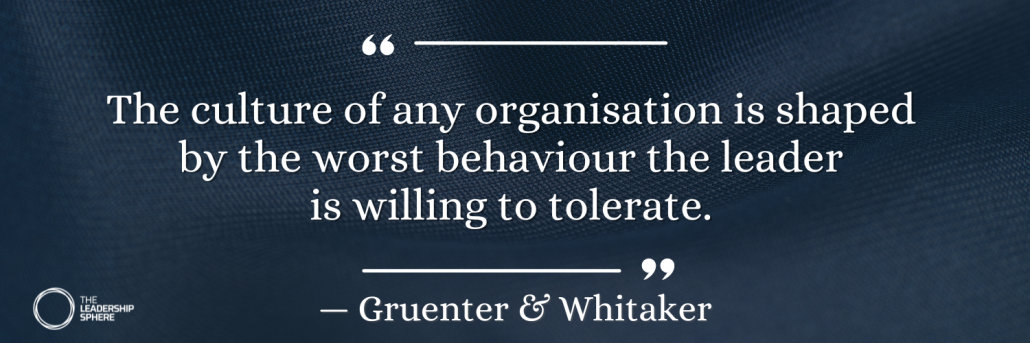
Leaders set the tone for the entire company. When their actions fall short, the ripple effects are felt at every level of the business.
Inconsistent Behaviour: Employees pay far more attention to what leaders do than what they say. If a manager preaches the importance of work-life balance but frequently sends demanding emails at midnight, the message is clear. The printed values state one thing, but the reality demands another. Leaders not walking the talk instantly invalidates the company’s ethical baseline.
Lack of Communication: Core principles must be constantly reinforced to remain relevant. When leadership fails to weave these values into daily conversations, town hall meetings, and performance reviews, the standards quickly fade from memory. Values that are not actively explained and celebrated become abstract concepts rather than practical behavioural guides.
Prioritising Profit Over Principles: One of the fastest ways to destroy trust is to sacrifice integrity for short-term financial gains. When management overlooks unethical behaviour simply because a top performer is bringing in substantial revenue, the rest of the team learns a harsh lesson. They realise that the company’s ethical guidelines are entirely conditional.
Creating a Culture of Cynicism: When employees repeatedly witness a disconnect between stated values and actual leadership behaviour, disengagement inevitably follows. People stop bringing innovative ideas to the table. They stop reporting minor issues before they become major problems. A culture of cynicism takes over, replacing enthusiasm with bare-minimum compliance.
How do you know if poor leadership is currently compromising your company’s values? You have to look for the warning signs.
High Turnover and Low Morale
People rarely quit their jobs; they quit their bosses. If you notice a sudden spike in staff turnover or a pervasive sense of apathy within a specific department, leadership is often the root cause. Low morale is a clear indicator that the reality of the workplace does not match the promises made during the interview process.
Ethical Lapses and Public Scrutiny
Small ethical compromises eventually snowball into larger crises. If your organisation is facing regulatory fines, frequent customer complaints, or internal compliance failures, your values have been severely compromised.
Diminished Brand Reputation
Your internal culture eventually dictates your external brand. When employees are treated poorly or forced to compromise their ethics, that negativity spills over into customer interactions. A declining brand reputation is often the final, most visible symptom of internal leadership failures.
Recognising the problem is only the first step. Repairing a damaged culture requires a deliberate, strategic effort to align leadership behaviour with the company’s foundational beliefs.
Leadership Assessment and Profiling
You cannot fix what you do not understand. Conducting a thorough leadership assessment and profiling exercise helps identify which managers are naturally aligned with your values and which ones require significant intervention. Assessment and profiling tools provide objective data, allowing you to make informed decisions about promotions and targeted coaching.
Leadership Development Programs
Great leaders are rarely born; they are trained. Investing in comprehensive leadership development ensures your management team has the skills necessary to lead with empathy and integrity. These programs should focus heavily on the practical application of authentic leadership, giving managers the tools they need to navigate difficult conversations and ethical dilemmas.
Open Communication and Feedback Loops
To keep leaders accountable, you need robust feedback mechanisms. Implementing 360-degree reviews and anonymous employee engagement surveys allows staff to voice their concerns without fear of retaliation. When leaders receive honest feedback about how their behaviour impacts the team, they are better equipped to make meaningful changes.
Leading by Example
Ultimately, cultural repair has to start at the very top. The CEO and executive board must be the most visible champions of the company’s values. When senior executives consistently demonstrate values based leadership, it sets a powerful precedent that trickles down through every layer of management.
Protecting your company’s core values is not a one-time project. It requires an ongoing, unwavering commitment to accountability at all levels of management. The health of your organisational culture depends entirely on the people steering the ship. By investing in leadership assessment and profiling, committing to ongoing leadership development, and demanding authentic behaviour from your executives, you can build a resilient company where values are lived daily, not just printed on a wall.
 https://theleadershipsphere.com.au/wp-content/uploads/2026/10/2610_004-Blog.png
1080
1920
Phillip Ralph
https://theleadershipsphere.com.au/wp-content/uploads/2021/09/TLS_Blue-Grey-Horizontal-300x124-fix.png
Phillip Ralph2026-10-20 08:00:202026-10-21 17:26:29Why Strategy Fails at the Execution Stage
https://theleadershipsphere.com.au/wp-content/uploads/2026/10/2610_004-Blog.png
1080
1920
Phillip Ralph
https://theleadershipsphere.com.au/wp-content/uploads/2021/09/TLS_Blue-Grey-Horizontal-300x124-fix.png
Phillip Ralph2026-10-20 08:00:202026-10-21 17:26:29Why Strategy Fails at the Execution Stage https://theleadershipsphere.com.au/wp-content/uploads/2026/10/2610_003-Article-scaled.jpg
1707
2560
Phillip Ralph
https://theleadershipsphere.com.au/wp-content/uploads/2021/09/TLS_Blue-Grey-Horizontal-300x124-fix.png
Phillip Ralph2026-10-15 08:00:512026-10-16 09:49:25Transforming Leadership Challenges into Opportunities
https://theleadershipsphere.com.au/wp-content/uploads/2026/10/2610_003-Article-scaled.jpg
1707
2560
Phillip Ralph
https://theleadershipsphere.com.au/wp-content/uploads/2021/09/TLS_Blue-Grey-Horizontal-300x124-fix.png
Phillip Ralph2026-10-15 08:00:512026-10-16 09:49:25Transforming Leadership Challenges into Opportunities https://theleadershipsphere.com.au/wp-content/uploads/2021/09/TLS_Blue-Grey-Horizontal-300x124-fix.png
0
0
Phillip Ralph
https://theleadershipsphere.com.au/wp-content/uploads/2021/09/TLS_Blue-Grey-Horizontal-300x124-fix.png
Phillip Ralph2026-10-13 08:00:092026-10-14 15:03:56How to Diagnose Team Performance Gaps: People vs. System
https://theleadershipsphere.com.au/wp-content/uploads/2026/10/2610_002-Article-scaled.jpg
1707
2560
Phillip Ralph
https://theleadershipsphere.com.au/wp-content/uploads/2021/09/TLS_Blue-Grey-Horizontal-300x124-fix.png
Phillip Ralph2026-10-08 08:00:002026-10-15 11:35:51Why Capable Teams Still Depend on Their Leaders
https://theleadershipsphere.com.au/wp-content/uploads/2026/10/2610_004-Blog.png
1080
1920
Phillip Ralph
https://theleadershipsphere.com.au/wp-content/uploads/2021/09/TLS_Blue-Grey-Horizontal-300x124-fix.png
Phillip Ralph2026-10-20 08:00:202026-10-21 17:26:29Why Strategy Fails at the Execution Stage
https://theleadershipsphere.com.au/wp-content/uploads/2026/10/2610_003-Article-scaled.jpg
1707
2560
Phillip Ralph
https://theleadershipsphere.com.au/wp-content/uploads/2021/09/TLS_Blue-Grey-Horizontal-300x124-fix.png
Phillip Ralph2026-10-15 08:00:512026-10-16 09:49:25Transforming Leadership Challenges into Opportunities
https://theleadershipsphere.com.au/wp-content/uploads/2021/09/TLS_Blue-Grey-Horizontal-300x124-fix.png
0
0
Phillip Ralph
https://theleadershipsphere.com.au/wp-content/uploads/2021/09/TLS_Blue-Grey-Horizontal-300x124-fix.png
Phillip Ralph2026-10-13 08:00:092026-10-14 15:03:56How to Diagnose Team Performance Gaps: People vs. System
https://theleadershipsphere.com.au/wp-content/uploads/2026/10/2610_002-Article-scaled.jpg
1707
2560
Phillip Ralph
https://theleadershipsphere.com.au/wp-content/uploads/2021/09/TLS_Blue-Grey-Horizontal-300x124-fix.png
Phillip Ralph2026-10-08 08:00:002026-10-15 11:35:51Why Capable Teams Still Depend on Their Leaders
https://theleadershipsphere.com.au/wp-content/uploads/2021/09/TLS_Blue-Grey-Horizontal-300x124-fix.png
0
0
Phillip Ralph
https://theleadershipsphere.com.au/wp-content/uploads/2021/09/TLS_Blue-Grey-Horizontal-300x124-fix.png
Phillip Ralph2026-10-13 08:00:092026-10-14 15:03:56How to Diagnose Team Performance Gaps: People vs. System
https://theleadershipsphere.com.au/wp-content/uploads/2026/10/2610_002-Article-scaled.jpg
1707
2560
Phillip Ralph
https://theleadershipsphere.com.au/wp-content/uploads/2021/09/TLS_Blue-Grey-Horizontal-300x124-fix.png
Phillip Ralph2026-10-08 08:00:002026-10-15 11:35:51Why Capable Teams Still Depend on Their Leaders
https://theleadershipsphere.com.au/wp-content/uploads/2026/10/2610_004-Blog.png
1080
1920
Phillip Ralph
https://theleadershipsphere.com.au/wp-content/uploads/2021/09/TLS_Blue-Grey-Horizontal-300x124-fix.png
Phillip Ralph2026-10-20 08:00:202026-10-21 17:26:29Why Strategy Fails at the Execution Stage
https://theleadershipsphere.com.au/wp-content/uploads/2026/10/2610_003-Article-scaled.jpg
1707
2560
Phillip Ralph
https://theleadershipsphere.com.au/wp-content/uploads/2021/09/TLS_Blue-Grey-Horizontal-300x124-fix.png
Phillip Ralph2026-10-15 08:00:512026-10-16 09:49:25Transforming Leadership Challenges into Opportunities
https://theleadershipsphere.com.au/wp-content/uploads/2021/09/TLS_Blue-Grey-Horizontal-300x124-fix.png
0
0
Phillip Ralph
https://theleadershipsphere.com.au/wp-content/uploads/2021/09/TLS_Blue-Grey-Horizontal-300x124-fix.png
Phillip Ralph2026-10-13 08:00:092026-10-14 15:03:56How to Diagnose Team Performance Gaps: People vs. System
https://theleadershipsphere.com.au/wp-content/uploads/2026/10/2610_002-Article-scaled.jpg
1707
2560
Phillip Ralph
https://theleadershipsphere.com.au/wp-content/uploads/2021/09/TLS_Blue-Grey-Horizontal-300x124-fix.png
Phillip Ralph2026-10-08 08:00:002026-10-15 11:35:51Why Capable Teams Still Depend on Their Leaders