Blog title here

How to Diagnose Team Performance Gaps: People vs. System
How to Diagnose Team Performance Gaps: People vs. SystemTo…

Many leaders find that aligning their team’s daily output with the wider vision of the company is an ongoing struggle. Even with highly skilled professionals on board, a lack of clear ownership can lead to missed deadlines and disjointed efforts. When leaders ask, “what is strategic accountability?”, they are really asking how to align daily actions with long-term business objectives.
Strategic accountability means that every action, decision, and project is directly linked to the organisation’s overarching goals. When leading teams, fostering this level of ownership transforms the workplace. Rather than waiting for instructions or shifting blame when things go wrong, employees take proactive responsibility for their work. The result is a highly engaged workforce where micromanagement becomes obsolete.
To build a reliable foundation for your team, you must first address the core elements that make accountability possible.
Clear Goal Setting and Expectation Management
Ambiguity is the enemy of performance. Team members need to know precisely what success looks like and how their individual contributions impact the business. Leaders are responsible for distilling abstract strategic goals into daily action. Without this clarity, motivation dwindles, and efforts become misaligned.

Provide Support When Needed
Holding people accountable does not mean leaving them to fend for themselves. True leadership requires providing the necessary resources, tools, and guidance to help staff succeed. When an employee encounters a roadblock, an effective manager steps in to remove obstacles and offer constructive support.
Transforming abstract concepts into daily habits requires a structured approach. Here is how you can put these ideas into action.
Empowering Teams for Self-Accountability
Shift your leadership style from directing to coaching. Encourage staff to propose solutions rather than simply presenting problems. By giving individuals the autonomy to make decisions within their remit, you foster a strong sense of personal responsibility.
Establishing a Framework
Use a shared framework to provide clarity and consistency. Define roles, responsibilities, and expectations to remove ambiguity and ensure fairness. This shared understanding equips teams to measure progress, identify areas for improvement, and collaborate effectively towards collective goals.
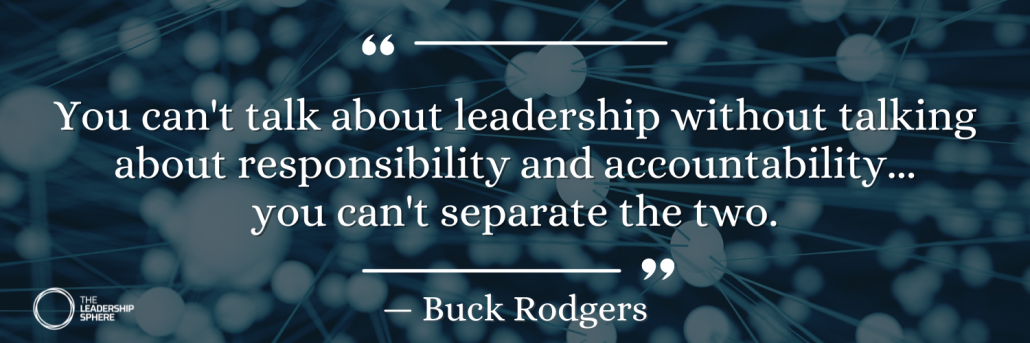
Communication Strategies for Leaders
Feedback must be frequent and constructive. Regular one-to-one check-ins allow managers to discuss progress, address concerns early, and realign focus. Consistent communication builds trust, making it easier for employees to speak up when they need help.
Maintaining a proactive workplace requires ongoing effort and a commitment to continuous improvement.
Accountability starts at the top. Investing in senior leadership development ensures that executives consistently model the right behaviours. By dedicating resources to developing leadership capabilities, organisations equip their managers with the advanced coaching skills necessary to sustain high performance.
Make ownership a core part of your company values. Some of the best practices for fostering a culture of ownership for strategic results include celebrating proactive problem-solving and tying individual performance reviews directly to the company’s strategic vision.
The biggest barrier to accountability is a fear of failure. If mistakes are met with harsh punishment, employees will hide errors and avoid taking risks. Leaders must reframe failures as learning opportunities, focusing on how to prevent the issue from recurring rather than assigning blame.
 https://theleadershipsphere.com.au/wp-content/uploads/2026/10/2610_004-Blog.png
1080
1920
Phillip Ralph
https://theleadershipsphere.com.au/wp-content/uploads/2021/09/TLS_Blue-Grey-Horizontal-300x124-fix.png
Phillip Ralph2026-10-20 08:00:202026-10-21 17:26:29Why Strategy Fails at the Execution Stage
https://theleadershipsphere.com.au/wp-content/uploads/2026/10/2610_004-Blog.png
1080
1920
Phillip Ralph
https://theleadershipsphere.com.au/wp-content/uploads/2021/09/TLS_Blue-Grey-Horizontal-300x124-fix.png
Phillip Ralph2026-10-20 08:00:202026-10-21 17:26:29Why Strategy Fails at the Execution Stage https://theleadershipsphere.com.au/wp-content/uploads/2026/10/2610_003-Article-scaled.jpg
1707
2560
Phillip Ralph
https://theleadershipsphere.com.au/wp-content/uploads/2021/09/TLS_Blue-Grey-Horizontal-300x124-fix.png
Phillip Ralph2026-10-15 08:00:512026-10-16 09:49:25Transforming Leadership Challenges into Opportunities
https://theleadershipsphere.com.au/wp-content/uploads/2026/10/2610_003-Article-scaled.jpg
1707
2560
Phillip Ralph
https://theleadershipsphere.com.au/wp-content/uploads/2021/09/TLS_Blue-Grey-Horizontal-300x124-fix.png
Phillip Ralph2026-10-15 08:00:512026-10-16 09:49:25Transforming Leadership Challenges into Opportunities https://theleadershipsphere.com.au/wp-content/uploads/2021/09/TLS_Blue-Grey-Horizontal-300x124-fix.png
0
0
Phillip Ralph
https://theleadershipsphere.com.au/wp-content/uploads/2021/09/TLS_Blue-Grey-Horizontal-300x124-fix.png
Phillip Ralph2026-10-13 08:00:092026-10-14 15:03:56How to Diagnose Team Performance Gaps: People vs. System
https://theleadershipsphere.com.au/wp-content/uploads/2026/10/2610_002-Article-scaled.jpg
1707
2560
Phillip Ralph
https://theleadershipsphere.com.au/wp-content/uploads/2021/09/TLS_Blue-Grey-Horizontal-300x124-fix.png
Phillip Ralph2026-10-08 08:00:002026-10-15 11:35:51Why Capable Teams Still Depend on Their Leaders
https://theleadershipsphere.com.au/wp-content/uploads/2026/10/2610_004-Blog.png
1080
1920
Phillip Ralph
https://theleadershipsphere.com.au/wp-content/uploads/2021/09/TLS_Blue-Grey-Horizontal-300x124-fix.png
Phillip Ralph2026-10-20 08:00:202026-10-21 17:26:29Why Strategy Fails at the Execution Stage
https://theleadershipsphere.com.au/wp-content/uploads/2026/10/2610_003-Article-scaled.jpg
1707
2560
Phillip Ralph
https://theleadershipsphere.com.au/wp-content/uploads/2021/09/TLS_Blue-Grey-Horizontal-300x124-fix.png
Phillip Ralph2026-10-15 08:00:512026-10-16 09:49:25Transforming Leadership Challenges into Opportunities
https://theleadershipsphere.com.au/wp-content/uploads/2021/09/TLS_Blue-Grey-Horizontal-300x124-fix.png
0
0
Phillip Ralph
https://theleadershipsphere.com.au/wp-content/uploads/2021/09/TLS_Blue-Grey-Horizontal-300x124-fix.png
Phillip Ralph2026-10-13 08:00:092026-10-14 15:03:56How to Diagnose Team Performance Gaps: People vs. System
https://theleadershipsphere.com.au/wp-content/uploads/2026/10/2610_002-Article-scaled.jpg
1707
2560
Phillip Ralph
https://theleadershipsphere.com.au/wp-content/uploads/2021/09/TLS_Blue-Grey-Horizontal-300x124-fix.png
Phillip Ralph2026-10-08 08:00:002026-10-15 11:35:51Why Capable Teams Still Depend on Their Leaders
https://theleadershipsphere.com.au/wp-content/uploads/2021/09/TLS_Blue-Grey-Horizontal-300x124-fix.png
0
0
Phillip Ralph
https://theleadershipsphere.com.au/wp-content/uploads/2021/09/TLS_Blue-Grey-Horizontal-300x124-fix.png
Phillip Ralph2026-10-13 08:00:092026-10-14 15:03:56How to Diagnose Team Performance Gaps: People vs. System
https://theleadershipsphere.com.au/wp-content/uploads/2026/10/2610_002-Article-scaled.jpg
1707
2560
Phillip Ralph
https://theleadershipsphere.com.au/wp-content/uploads/2021/09/TLS_Blue-Grey-Horizontal-300x124-fix.png
Phillip Ralph2026-10-08 08:00:002026-10-15 11:35:51Why Capable Teams Still Depend on Their Leaders
https://theleadershipsphere.com.au/wp-content/uploads/2026/10/2610_004-Blog.png
1080
1920
Phillip Ralph
https://theleadershipsphere.com.au/wp-content/uploads/2021/09/TLS_Blue-Grey-Horizontal-300x124-fix.png
Phillip Ralph2026-10-20 08:00:202026-10-21 17:26:29Why Strategy Fails at the Execution Stage
https://theleadershipsphere.com.au/wp-content/uploads/2026/10/2610_003-Article-scaled.jpg
1707
2560
Phillip Ralph
https://theleadershipsphere.com.au/wp-content/uploads/2021/09/TLS_Blue-Grey-Horizontal-300x124-fix.png
Phillip Ralph2026-10-15 08:00:512026-10-16 09:49:25Transforming Leadership Challenges into Opportunities
https://theleadershipsphere.com.au/wp-content/uploads/2021/09/TLS_Blue-Grey-Horizontal-300x124-fix.png
0
0
Phillip Ralph
https://theleadershipsphere.com.au/wp-content/uploads/2021/09/TLS_Blue-Grey-Horizontal-300x124-fix.png
Phillip Ralph2026-10-13 08:00:092026-10-14 15:03:56How to Diagnose Team Performance Gaps: People vs. System
https://theleadershipsphere.com.au/wp-content/uploads/2026/10/2610_002-Article-scaled.jpg
1707
2560
Phillip Ralph
https://theleadershipsphere.com.au/wp-content/uploads/2021/09/TLS_Blue-Grey-Horizontal-300x124-fix.png
Phillip Ralph2026-10-08 08:00:002026-10-15 11:35:51Why Capable Teams Still Depend on Their Leaders