Posts

Leadership that Inspires Confidence

Leadership that Inspires Confidence

Leading teams isn’t just about titles or managing workflows. It’s about inspiring confidence. When a team trusts their leader, they feel safe to take risks, share ideas, and fully commit to the vision. Confidence-building isn’t innate; it’s a skill developed through practice, emotional intelligence, and a commitment to growing others as leaders.

In many organisations, there’s a gap between managing and truly leading. Management focuses on processes, deadlines, and outputs. Leadership focuses on people and creating an environment where team members feel supported, valued, and empowered to perform their best.

So, how do leaders go beyond basic management to inspire confidence in their teams?

Developing Leadership Skills in Employees

Inspiring confidence starts with showing your team that you believe in their potential. Transitioning from taskmaster to mentor demonstrates your investment in their growth, not just their daily output.

From Manager to Mentor

Mentorship is key to developing leadership capabilities within your team. Unlike directive management (“do this”), mentorship is collaborative (“let’s figure this out”). A mentor provides guidance, shares knowledge, and helps employees overcome challenges.

This approach builds confidence by removing the fear of failure. When employees know they have support through mistakes, they are more likely to take initiative and innovate. Leaders who share lessons from their own successes and failures create transparency, fostering trust and growth.

leadership excellence

Empowering Through Delegation

Delegation is a confidence building tool, as well as a time management one. Assigning meaningful tasks shows you trust your employees’ abilities.

Effective delegation means offering the resources and support they need while giving them autonomy to achieve results. Autonomy fosters ownership and pride, while micromanagement erodes confidence.

Enhancing Performance Through Training

Mentorship offers ongoing support, but structured learning is equally important. Leadership development training provides essential tools and frameworks for high performance.

The Value of Structured Programs 

Leadership coaching shouldn’t be limited to senior executives. Offering them to emerging leaders and individual contributors spreads leadership skills across the team and shows that the organisation values leadership excellence.

Effective training covers soft skills like communication, conflict resolution, and emotional intelligence, along with strategies for navigating change. When leaders are well-equipped, they feel more confident, and that confidence inspires their teams. 

Building Effective Teams 

Training works best when it involves the entire team. Programs that align individual strengths with shared goals, clarify roles, and build trust lead to stronger collaboration. 

When teams work effectively, anxiety drops, and performance improves. Leaders play a key role in reinforcing training principles and integrating them into daily workflows, turning theory into practice.

A Deep Dive into Team Coaching

To truly inspire confidence and sustain high performance, leaders must embrace the role of a coach. Unlike training, which is often episodic, coaching is continuous. It is about intervening in real-time to help the team consolidate learning and improve performance.

We can look to the Team Diagnostic Survey (TDS) framework for guidance here, specifically Condition 6: Team Coaching. According to this framework, effective team coaching involves ongoing coaching for learning and performance. It requires someone with skill at intervening in teams to be readily available to help the team consolidate learning and make increasingly good use of its resources in performing the work.

Coaching for Consolidation

Teams are dynamic systems. They face constant challenges, changes in direction, and interpersonal dynamics. Without coaching, lessons learned during training or past projects can easily be lost in the rush of daily business.

Effective team coaching involves pausing to reflect. It asks questions like:

  • “What did we learn from that last sprint?”
  • “How are we using our collective strengths right now?”
  • “What is blocking us from performing at our best?”

By facilitating these discussions, a leader helps the team process their experiences and turn them into actionable insights. This consolidation of learning is what allows a team to evolve and improve over time, building their collective confidence.

Factors of Success: Availability and Helpfulness

According to the TDS framework, successful team coaching hinges on two critical factors: Availability and Helpfulness.

Availability: Being Present

Availability means more than just having an “open door policy.” It means that someone, whether the team leader or an external coach, is readily available and present for coaching the team.

In a hybrid or remote working world, “presence” can be challenging. Leaders must be intentional about creating space for coaching conversations. This might look like regular check-ins that are strictly focused on team health rather than status updates, or simply being responsive when a team member reaches out for guidance.

When a leader is unavailable, issues fester. Small misunderstandings can grow into conflicts, and uncertainty can turn into anxiety. Conversely, a present leader provides a safety net, allowing the team to operate with the assurance that support is there if they stumble.

Helpfulness: Knowing How to Intervene

Availability is useless if the intervention isn’t effective. Helpfulness refers to the individual(s) providing the coaching knowing how and when to intervene.

Not every problem requires a leader to swoop in and save the day. In fact, over-intervening can undermine a team’s confidence and foster dependency. Leadership excellence involves discernment; knowing when to step in and provide direction, and when to step back and let the team resolve the issue themselves.

Helpful coaching might involve:

  • Observing team dynamics and offering objective feedback.
  • Mediating conflicts to ensure healthy resolution.
  • Challenging the team to think differently or aim higher.
  • Supporting the team emotionally during high-stress periods.

The goal of helpfulness is not to do the work for the team, but to help the team make better use of its own resources. It empowers them to solve their own problems, which is the ultimate confidence booster.

Inspiring leadership is an active pursuit, requiring a shift from managing tasks to mentoring people, structured leadership training, and effective team coaching. By prioritising availability and helpfulness, leaders foster an environment where learning thrives, resources are used effectively, and team members feel empowered to perform at their best.

Investing in leadership development within a team creates a resilient, high-performing group ready to tackle any challenge. Building such a team takes effort, but the returns in innovation, retention, and results are invaluable.

Leadership Development

Let us help you find what you’re looking for!

Stay up to date with us!

Leadership that Inspires Confidence

Why Trust is Hard to Build but Easy to Lose

Why Trust is Hard to Build but Easy to Lose

Trust is foundational in every relationship, whether personal or professional. It’s the glue that holds teams together, fosters meaningful connections, and enables smooth cooperation.

However, trust is notoriously fragile. It takes years to build, yet only moments to shatter. Understanding why trust is so delicate and the factors that influence its development is crucial for fostering stronger, more resilient relationships. We aim to explore the complexities of trust, offering insights into how it forms, sustains, and what can be done to rebuild it when lost.

The Slow Climb of Building Trust

Building trust is rarely about grand gestures. Instead, it’s the accumulation of small, consistent actions over time. It involves doing what you say you will do, communicating openly, and ensuring that conflict management training for employees is a priority, not an afterthought.

leadership excellence

When leaders and team members see that their counterparts are reliable and fair, psychological safety grows. This safety allows individuals to take risks and voice concerns without fear of retribution.

How Quickly It Can Unravel

Conversely, destroying trust can happen far more quickly than building it. A single instance of dishonesty, a broken promise, or failing to deal with difficult employees promptly can shatter months of progress.

Some of the most common pitfalls that erode trust include:

  •  Poor Communication: When leaders avoid difficult conversations or let toxic behaviour slide, they signal that maintaining superficial peace is more important than upholding integrity.
  •  Inconsistency: Saying one thing and doing another creates uncertainty and demonstrates a lack of reliability.
  •  Lack of Transparency: Withholding information or being intentionally vague can make team members feel devalued and suspicious.
  • Favouritism: When fairness is compromised, it quickly erodes team morale and pits colleagues against one another.

Strengthening Bonds Through Conflict

Ironically, managing conflict in the workplace is one of the most effective ways to build trust. When disagreements are handled constructively, they demonstrate that the relationship is strong enough to withstand pressure.

This is why conflict resolution training for managers is essential. Leaders equipped with these skills can turn potential fractures into opportunities for understanding. By addressing issues head-on rather than sweeping them under the rug, you show your team that you value resolution and growth over comfort.

The Path to Rebuilding

If trust has been lost, it can be regained, though the road is steep. It starts with accountability. Owning mistakes and outlining clear steps to prevent them from recurring is vital. Investing in conflict resolution training in the workplace can also signal a renewed commitment to a healthy culture.

Ultimately, the effort is worth it. A high-trust environment fosters institutional stability and improves employee retention, creating a foundation that can weather any storm.

Leadership Development

Let us help you find what you’re looking for!

Stay up to date with us!

Why Trust is Hard to Build but Easy to Lose

best leadership assessment and development programs

Supporting Teams with the Right Tools

Supporting Teams with the Right Tools

Many leaders find themselves in a perplexing situation: they have hired talented, intelligent individuals, yet the team struggles to gain momentum. Without the right support from their leaders, even the most promising teams cannot perform at their peak if the systems surrounding them create friction rather than flow.

To build truly effective teams, we must look beyond individual capability and examine the enabling conditions provided by the wider enterprise. This concept, known as organisational support, is the bedrock upon which successful collaboration is built.

Understanding Organisational Support

Organisational support refers to the structures and systems within the larger enterprise that promote teamwork rather than placing obstacles in the way of meaningful collaboration. It is about removing the bureaucratic grit that slows down progress and replacing it with resources that facilitate success.

Assessment & Profiling

Effective organisational support typically manifests in four key areas:

  • Reward and Recognition: Does the organisation celebrate collective success, or does it only reward individual heroics? When systems incentivise solitary work, collaboration naturally suffers.
  • Information and Data Availability: Teams cannot make sound decisions in a vacuum. They require access to transparent, accurate data to move forward with confidence.
  • Education and Consultation: Teams need access to training and expert advice. This ensures they are not left to solve complex problems without guidance.
  • Material Resource Availability: This includes the physical tools, budget, and time required to complete the work.

When these elements are present, teams feel supported and empowered. When they are absent, even the best leadership assessment and development initiatives may fail to gain traction.

Diagnosing the Gap with Assessment Tools

Once we understand that support is necessary, the next challenge is identifying where that support is lacking. This is where assessment and profiling tools play a critical role. These instruments provide the data necessary to understand what is happening beneath the surface of a team.

To know how to effectively assess team dynamics, leaders must move beyond gut feeling. Objective data helps identify whether a team is struggling due to a lack of clarity, poor interpersonal relationships, or, crucially, a lack of external resources. By using team leadership assessment tools, organisations can pinpoint exactly where the enabling conditions are failing. For instance, an assessment might reveal that a team is highly cohesive but lacks the informational support from other departments to execute their strategy.

Evaluating Resources for Growth

Selecting the right resources is just as important as the decision to assess. With the market flooded with options, identifying the best tools for leadership team assessment can be daunting.

When evaluating these resources, consider alignment with your organisational culture and goals. A tool should not just label behaviours; it should offer a pathway to improvement. It should help you understand how to assess leadership development needs in the context of your specific business challenges.

The goal is to find tools that provide education and consultation—one of the pillars of organisational support. The assessment itself acts as a form of feedback (information availability), allowing the team to course correct.

Leveraging Support for Leadership Development

Data from assessments is useless if it sits in a drawer. True organisational support involves leveraging that information to drive change. This connects directly to the ‘education’ aspect of the support framework.

Organisations must invest in training programs that address the specific gaps identified by the profiling tools. If the data shows a team struggles with conflict resolution, the organisation must provide the material resources (time and budget) and education (training workshops) to address it.

Furthermore, integrating these findings into the reward system is vital. If a team improves their collaborative score on a follow-up assessment, that growth should be recognised. This creates a virtuous cycle where the support systems reinforce the behaviours necessary for high performance.

Building a Foundation for Success

Ultimately, organisational support is not a passive backdrop; it is an active ingredient in team effectiveness. By ensuring teams have access to the right rewards, information, education, and resources, leaders remove the invisible barriers to success.Utilising robust assessment tools allows us to see where these supports are needed most. When we combine clear data with a supportive environment, we give our teams the best possible chance to not just function, but to thrive.

Leadership Development

Let us help you find what you’re looking for!

Stay up to date with us!

Supporting Teams with the Right Tools

leadership assessment

The Trust Audit: Assessing Your Team’s Potential

The Trust Audit: Assessing Your Team’s Potential

Trust is the unseen currency of every successful organisation. Without it, collaboration stalls and innovation withers. While many leaders focus on hard metrics like output and revenue, the most insightful executives know that effective teams in the workplace are built on a foundation of psychological safety and mutual reliance.

This brings us to the concept of a “Trust Audit.” This is a qualitative assessment of the bonds holding your team together.

Why Trust is the Key Variable

When trust is high, speed increases and costs decrease. You don’t need endless meetings to verify work because you trust your colleagues’ competence and intent. Conversely, a lack of trust acts as a tax on every interaction.

Assessment & Profiling

Often, managers seek out building effective teams training only after a crisis hits. However, proactive assessment is far more valuable. By regularly auditing the trust levels in your team, you can identify fractures before they become breaks.

Signs Your Team Needs a Trust Intervention

How do you know if your trust account is overdrawn? Look for these symptoms:

  • Silence during meetings: If no one challenges ideas, they don’t feel safe.
  • Hoarding information: When knowledge isn’t shared freely, individuals are prioritising self-preservation over team success.
  • Blame culture: A focus on “who did it” rather than “how do we fix it.”

Addressing these issues requires a commitment to developing leadership skills in employees. It’s not just about the manager; it’s about empowering every team member to take ownership of the team’s culture.

Conducting the Audit

You can start small. Informal one-on-ones where you ask, “Do you feel supported?” are a good beginning. For a more structured approach, many organisations turn to team leader training programs that incorporate specific diagnostic tools.

Using the best leadership assessment tests can also provide data-driven insights. These assessments often reveal whether a leader is fostering an environment of trust or inadvertently creating anxiety. They help pinpoint exactly where the disconnect lies; is it a lack of transparency, inconsistent feedback, or a failure to follow through on promises?

The Path Forward

Conducting a Trust Audit requires courage. You might uncover uncomfortable truths about your leadership style or team dynamics. However, the payoff is immense. A high-trust team is resilient, adaptive, and ultimately, high-performing. By investing in trust today, you secure your team’s potential for tomorrow.

Ready to take the first step? Get in touch with us to start your Trust Audit journey!

Leadership Development

Let us help you find what you’re looking for!

Stay up to date with us!

The Trust Audit: Assessing Your Team’s Potential

Why Structure Drives Team Success

Why Structure Drives Team Success

Leading an organisation towards its goals is rarely a linear journey. When obstacles arise, it is easy to attribute the friction to personality clashes or a lack of individual talent. However, experienced leaders know that the root cause of team dysfunction is often not the people, but the environment in which they operate. To build high performing teams, you must look beyond the individuals and examine the structure that supports them.

leadership strategy

Structure is often misunderstood as simply the organisational chart or a list of job titles. In reality, a sound structure is far more dynamic. It encompasses the design of the work itself and the norms that govern how the team interacts. Without this foundation, even the most talented individuals will struggle to gain traction. A robust leadership development strategy must prioritise teaching leaders how to design these structures effectively.

Factors of Work Design: Meaningful Tasks

The first pillar of a sound structure is task design. A common pitfall for many organisations is assembling a group of people and calling them a ‘team’ without giving them work that actually requires collaboration. If a task can be completed more efficiently by individuals working in silos, forcing it into a team format will only lead to frustration and wasted time.

For a team to thrive, the work must be designed to be interdependent. The tasks should make sense to be done as a collective unit. Furthermore, the work must be motivating. It should align clearly with the team’s purpose and the broader organisational goals. When members can see a direct line between their daily efforts and the company’s mission, engagement levels rise naturally.

Effective task design also utilises the full range of the team’s talent. It ensures that the work is challenging enough to be stimulating but achievable enough to maintain morale. When developing leadership capabilities, it is vital to understand that delegation is not just about offloading work; it is about designing tasks that empower the team to succeed together.

The Backbone: Establishing Team Norms

If task design is the ‘what’, team norms are the ‘how’. Norms are the explicit agreements and ground rules that dictate how a team operates. Without them, teams rely on assumptions and unspoken habits, which can quickly breed resentment and confusion.

Consider a senior leadership team training session where participants are asked how they make decisions. Often, half the room assumes the leader decides, while the other half assumes it is a democratic vote. This lack of clarity stalls progress. Explicit norms cover critical areas such as communication styles, conflict resolution, meeting protocols, and decision-making processes.

Creating these agreements allows the team to focus on the work rather than navigating interpersonal politics. It creates a psychological safety net where members know exactly what is expected of them. A team with clear norms creates a productive, collaborative environment where learning-based work practices can flourish.

Moving From Chaos to Clarity

Structure is not about creating rigid bureaucracy; it is about creating the conditions for success. By focusing on motivating task design and clear team norms, you remove the invisible barriers that hold your people back.

Implementing these structures often requires a shift in mindset. This is where executive coaching becomes an invaluable tool. Executive coaching can enhance transformational leadership by helping leaders identify where their current team structures are failing and providing the objective perspective needed to redesign them.

Whether you are formulating a new leadership development strategy or looking to turn around a struggling department, remember to look at the foundations first. When you get the structure right, you empower your team to perform at their absolute best.

Leadership Development

Let us help you find what you’re looking for!

Stay up to date with us!

Why Structure Drives Team Success

Balancing Team Confidence and Accountability

Balancing Team Confidence and Accountability

Leading a team often feels like walking a tightrope. Lean too heavily on strict accountability, and you risk stifling creativity and crushing morale. Focus exclusively on boosting confidence, and standards may slip, leading to missed deadlines and subpar work.

executive coaching

The most effective leaders understand that confidence and accountability are not mutually exclusive. In fact, they reinforce one another. A team that understands exactly what is expected of them feels more confident in their ability to deliver. Conversely, a confident team is more willing to take ownership of their results.

Bridging the gap between these two necessities requires a structured approach. This article explores frameworks and support systems, including executive coaching, that can help you find that essential balance.

The 5 C’s of Leadership and Team Accountability

To navigate this balance, many leaders turn to a specific framework. But what are the 5C’s of leadership and team accountability? This model breaks down the vague concept of ‘ownership’ into five actionable components, ensuring everyone is moving in the same direction.

1. Common Purpose (The Why)

Accountability starts with understanding why the work matters. If a team member can’t see how their tasks contribute to broader organisational goals, their commitment will naturally waver. Executive coaching and mentoring can help leaders articulate this common purpose, connecting daily tasks to the company’s mission and giving the work meaning and value for every team member.

2. Clear Expectations (The Who & What)

Ambiguity is the enemy of accountability. Leaders must define exactly what success looks like. This goes beyond a job description; it involves specifying deliverables, timelines, and quality standards. When expectations are clear, team members have a concrete target to aim for, which immediately boosts their confidence in hitting it.

3. Communication & Alignment (The How)

Middle managers often bear the brunt of the confidence-accountability conflict, making setting expectations particularly crucial. Effective leadership coaching for managers should focus on establishing how the team is set up for success. Are the communication channels open? Does everyone have the resources they need? Regular alignment ensures that small misunderstandings don’t snowball into major failures, empowering managers to lead with clarity and support.

4. Coaching & Collaboration (The Adjust & Adapt)

Even the best plans encounter obstacles. This stage asks: “How is it going, and what adjustments are needed?” Rather than waiting for a project to fail, leaders should intervene with support and guidance. This collaborative approach shifts the dynamic from “policing” to “partnering,” fostering an environment where asking for help is seen as a strength, not a weakness.

5. Consequences (The Learn & Act)

Consequences are often viewed negatively, but in a healthy leadership culture, they are neutral learning opportunities. Positive consequences, like recognition, reinforce positive actions, while negative ones, such as constructive feedback, offer a chance to correct course. For a leader, navigating this step without appearing punitive can be challenging. This is a key area where leadership coaching supports organisational wellbeing, helping leaders frame consequences not as punishments, but as educational moments that encourage growth and maintain a supportive, high-performance environment.

Practical Tips for Implementation

If you are looking to integrate these principles into your leadership style, consider these actionable steps:

  • Audit your “Why”: In your next team meeting, ask your team if they understand the broader purpose of their current project. If the answers are vague, revisit your “Common Purpose.”
  • Formalise Expectations: Follow up verbal requests with written summaries. Ensure “what success looks like” is documented.
  • Engage an Executive Coach: If you struggle to deliver feedback or find yourself micromanaging, working with an executive coach can provide personalised strategies to shift your mindset and behaviour.
  • Celebrate the Pivot: When things go wrong, focus on the “Coaching & Collaboration” aspect. Publicly praise the team for identifying a problem early and adjusting, rather than just praising the final result.

Creating a Culture of Ownership

Balancing confidence and accountability is not about being a “tough” boss or a “nice” boss. It is about being a clear, supportive, and consistent leader. By applying the 5 C’s—Common Purpose, Clear Expectations, Communication, Coaching, and Consequences—you provide the structure your team needs to succeed.

Support mechanisms like executive coaching ensure that you, as a leader, are also supported in this journey. When you invest in your own growth, developing leadership skills and the clarity of your processes, you build a team that is not only high-performing but also resilient and self-assured.

Leadership Development

Let us help you find what you’re looking for!

Stay up to date with us!

Balancing Team Confidence and Accountability

The ‘Why’ That Unites: Aligning Goals for Team Success

The ‘Why’ That Unites: Aligning Goals for Team Success

Have you ever worked on a team where everyone seemed busy, but nothing significant was actually getting done? The calendars were full, the emails were flying, but the forward momentum was non-existent. This is a common symptom of misalignment. When individuals row in different directions, the boat simply spins in circles.

For an effective leadership team, the difference between spinning circles and making progress often comes down to one thing: a shared, compelling purpose.

Assessment & Profiling

Aligning goals creates a unified vision that resonates with every member of the organisation. When leadership development goals are synchronised with the broader company mission, a group of individuals transforms into a high-performing unit, capable of navigating complex challenges and driving leadership excellence.

Understanding the “Compelling Purpose”

At the heart of every successful team is a “Compelling Purpose,” as defined by the “Six Conditions of a Team” framework. This answers the fundamental question: What does this team exist to accomplish?

A compelling purpose is more than a mission statement; it’s the fuel that drives motivation. When a team understands not just what they are doing, but why it matters, engagement soars. It also provides a North Star for decision-making. When faced with a difficult choice, the team can ask, “Does this serve our purpose?” making the path forward clear.

Without this foundation, even a talented senior leadership team can falter. They risk becoming siloed, prioritising departmental objectives over the organisation’s collective success.

The Three Pillars: Clarity, Challenge, Consequence

To ensure a purpose is truly compelling, it needs to satisfy three specific criteria. These elements turn abstract ideas into actionable drivers for performance.

1. Clarity

Clarity is about knowing exactly what success looks like. Ambiguity is the enemy of execution. If a team is unsure of the target, they cannot possibly hit it. Clear goals eliminate confusion and ensure that energy is directed efficiently. Everyone on the team should be able to articulate the goal in the same way.

2. Challenge

A goal that is too easy inspires boredom; a goal that is impossible inspires despair. The “Goldilocks” zone lies in the challenge. Achieving the purpose should be a stretch. It should require innovation, effort, and collaboration, but it must remain within the realm of possibility. This balance fosters growth and keeps the team intellectually engaged.

3. Consequence

Finally, the work must matter. Consequence refers to the meaningful impact the team’s work has on the lives and work of others. Whether it is improving customer satisfaction, supporting colleagues, or contributing to a societal good, knowing that their effort has a tangible result creates a sense of responsibility and pride.

Linking Leadership Development to Organisational Objectives

Often, organisations view leadership development for companies and organisational development as separate entities. In reality, they are two sides of the same coin.

To achieve true alignment, leadership development goals must be directly linked to the organisation’s strategic objectives. We cannot develop leaders in a vacuum. If a company aims to become more agile, its leadership training must focus on adaptability and quick decision-making. If the goal is customer-centricity, leaders must be coached on empathy and service.

When you bridge the gap between leadership development vs organisational development, you ensure that your leaders are equipped with the specific skills needed to drive the company’s unique mission. This is how you build a pipeline of future-ready executives who are not just good leaders in general, but the right leaders for your specific context.

Achieving Leadership Excellence Through Goal Alignment

Creating a unified team is not a one-time workshop; it is an ongoing practice. It requires constant communication, recalibration, and a genuine commitment to the “why” behind the work.

By focusing on a compelling purpose defined by clarity, challenge, and consequence, you give your team the psychological scaffolding they need to succeed. When you further align individual leadership growth with the company’s trajectory, you unlock a higher tier of performance.

True leadership excellence isn’t about individual glory. It is about the ability to unite a diverse group of people under a shared banner and move them forward, together.

Leadership Development

Let us help you find what you’re looking for!

Stay up to date with us!

The ‘Why’ That Unites: Aligning Goals for Team Success

Building Stronger Teams from the Ground Up

Building Stronger Teams from the Ground Up

In modern businesses, success is determined not only by the tools or products you offer, but by how your people collaborate and support one another. High performing teams are the backbone of any thriving organisation, and the difference between mediocrity and excellence is rooted in how teams are built and led.

If you’re considering investing in your team, you’re already ahead; recognising when team dynamics are ineffective or not quite delivering is the first crucial step. Missed deadlines, unresolved conflicts, and the risk of losing top talent all signal the need for immediate action. The truth is, the ROI from getting team dynamics right makes every investment worthwhile.

The Measurable Impact of High Performing Teams

Investing in high performance team training is not a luxury or ‘nice-to-have.’ High performing teams consistently deliver greater efficiency, adaptability, and innovation, directly impacting your bottom line; meaning your investment in them is integral to your organisational success.

leadership strategy

When you implement leadership development training, you reduce operational friction and eliminate wasted effort arising from miscommunication. With a shared sense of purpose and clear understanding of responsibilities, high performing teams operate with efficiency. The foundation of trust in teams ensures members feel safe, focused, and unified around organisational goals.

Poorly executed programs can fall short. Understanding why leadership development programs fail—often due to a lack of buy-in, unclear objectives, or insufficient follow-through—will help you sidestep common pitfalls and invest where it counts.

Make Trust Your Competitive Edge

A high performing team requires a strong foundation of trust. Building trust is essential for encouraging innovation and risk-taking, both of which are at the heart of any successful team. When team members feel safe to share ideas, admit to mistakes, and suggest improvements, your organisation benefits from enhanced creativity and resilience.

Building trust requires deliberate action and a commitment to cultivating psychological safety. By investing in targeted professional development and modelling the behaviours you want to see, you foster the conditions required for high performing teams to operate with real collaboration and shared accountability.

Develop Leaders Who Deliver

Empowering your teams begins with developing leaders who are equipped to support and inspire their people. Adopting leadership development best practices, such as structured mentoring, ongoing feedback, and prioritising soft skills, provides your managers with the resources they need to excel. These practices are the antidote to why leadership development programs fail; they move beyond theory and are embedded in everyday operations.

Targeted Mentorship: Connect future leaders with mentors to offer practical growth and ensure readiness for strategic roles.

Real-Time Feedback Loops: Utilise a dynamic feedback system, keeping improvement and engagement front and center.

Focus on Soft Skills: Equip your leaders with emotional intelligence and conflict management skills, essential for building trust and driving team performance.

With the right high performance team training and a leadership pipeline grounded in proven best practices, your teams will be prepared to tackle complex challenges as they arise.

It Is Time to Execute Your Vision

You have the strategy, the ambition, and the market insight. Now build the foundation of trust in teams and give your workforce the tools to execute flawlessly. Waiting for things to improve organically is rarely effective; proactive investment in building trust and leadership is essential for sustainable growth.

Ready to Transform Your Workforce?

Your journey toward a truly high performing culture starts today. If you’re eager to realise gains in efficiency, morale, and revenue, our expert team can guide you through high performance team training tailored to your unique priorities.

Contact us today to discover how investing in building trust, proven leadership development best practices, and high performance team training can move your organisation forward.

Leadership Development

Let us help you find what you’re looking for!

Stay up to date with us!

Building Stronger Teams from the Ground Up

The Recipe for Team Excellence: Building Teams with Complementary Strengths

The Recipe for Team Excellence: Building Teams with Complementary Strengths

A great team doesn’t happen by accident. A collection of talented individuals thrown into a room can not be expected to produce magic. True team excellence is engineered. It requires a deliberate blend of structure, personality, skills, and shared vision.

For many leaders, the real challenge isn’t finding talent but making it work together. You might manage brilliant individuals who struggle to collaborate due to overlapping strengths; when everyone leads, no one follows, and when all focus on the big picture, key details get missed.

Building an effective leadership team requires balancing diverse talents and fostering collective synergy, where the group’s output exceeds the sum of its parts. This guide covers the key steps to creating a team that is resilient, innovative, and consistently excellent.

Step 1: Structuring the Team for Success

A common pitfall in organisational design is hiring people and then trying to fit a structure around them. Instead, you must first identify the operational needs of your project or department.

There is no single “correct” structure, but the most common frameworks include:

  • Functional Teams: These are grouped by specialisation (e.g., marketing, engineering). This structure promotes deep expertise and efficiency within a specific domain but can sometimes lead to silos.
  • Cross-Functional Teams: These bring together members from different departments to tackle a specific project. This fosters innovation and breaks down barriers but requires strong management to align different working styles.
  • Self-Managed Teams: These groups operate with high autonomy, sharing responsibility for outcomes. They are excellent for agility but require mature team members and clear boundaries.
Assessment & Profiling

Choosing the right structure depends entirely on your specific leadership development goals. Are you trying to foster rapid innovation? A cross-functional model might be best. Are you aiming for operational stability and deep expertise? A functional model may serve you better.

Step 2: Getting the Right People

Once the structure is set, focus on recruitment and selection; this is arguably the most critical part of the process. Hiring “the right people” isn’t about fancy degrees or long resumes; it’s about balance. A strong team needs a mix of hard skills and interpersonal qualities.  You want technical capability, but also emotional intelligence to foster collaboration. A brilliant coder who can’t communicate or a top salesperson who refuses to share information can hurt the team.

Great leaders value diversity. If everyone thinks the same way or shares the same strengths, you get an echo chamber, not a high performing team. You need variety: the dreamer, the detail-focused realist, the challenger, and the connector. 

When these strengths come together, productivity soars, trust grows, and the team supports each other’s weaknesses. That’s when the magic happens.

Step 3: Setting Clear Goals

Talent without direction is just wasted potential. For a team to function with excellence, every member must understand not only what they are doing but why they are doing it.

This connects directly to the senior leadership team. It is their responsibility to cascade the broader organisational vision down to the team level. When a team member can draw a direct line between their daily tasks and the company’s long-term success, engagement skyrockets.

To achieve this clarity, utilise SMART goals:

  • Specific: Clear and unambiguous.
  • Measurable: Quantifiable progress.
  • Achievable: Realistic yet challenging.
  • Relevant: Aligned with the company mission.
  • Time-bound: Defined deadlines.

Goals should not be static. They require regular review to ensure they remain relevant as market conditions change. When goals are clear, decision-making becomes faster because team members have a framework against which to evaluate their choices.

Step 4: Encouraging Communication

If goals are the skeleton of the team, communication is the nervous system. Leadership excellence is often defined by the ability to foster an environment where open, honest communication is the norm, not the exception.

This goes beyond having a weekly meeting or a Slack channel. It is about psychological safety. Team members must feel safe to admit mistakes, ask “stupid” questions, and challenge the status quo without fear of retribution.

To encourage this:

  1. Model vulnerability: Leaders should admit when they do not know the answer.
  2. Normalise constructive conflict: Disagreement should be viewed as a path to a better solution, not a personal attack.
  3. Create feedback loops: Implement regular mechanisms for peer-to-peer and manager-to-employee feedback.

When communication flows freely, problems are identified early, solutions are crowdsourced, and the team bonds over shared challenges rather than fracturing under pressure.

Step 5: Providing Training and Development

Even the best teams will stagnate if they are not nurtured. High performance is a depreciating asset; it requires constant investment to maintain. This is where structured development programs come into play.

It is important to understand the nuance of leadership development vs organisational development.

  • Organisational Development focuses on the systems, culture, and processes that help the whole company function.
  • Leadership Development focuses on the individual capabilities of your managers and key players.

To build an excellent team, you need both. You need leadership development for companies that equip individuals with the skills to lead themselves and others. This might look like workshops on emotional intelligence, strategic thinking, or conflict resolution. Simultaneously, you need organisational development interventions that smooth out the friction points in how teams collaborate.

Invest in training that reinforces the complementary strengths of the group. Help the introverts master public speaking; help the visionaries understand project management. By investing in their growth, you signal that you value their contribution, which significantly aids retention and loyalty.

Cultivating Long-Term Success

Building a team with complementary strengths is an ongoing process of refinement, not a one-time event. It requires a leader willing to look beyond the résumé to see the human potential underneath.

By structuring the team carefully, selecting the right mix of skills, setting clear goals, fostering safe communication, and investing in continuous training, you create the conditions for excellence.The result is not just a group of people working together, but a cohesive unit that trusts one another, navigates challenges with resilience, and delivers results that no individual could achieve alone. This is the true definition of team excellence.

Leadership Development

Let us help you find what you’re looking for!

Stay up to date with us!

The Recipe for Team Excellence: Building Teams with Complementary Strengths

How to Rebuild Trust After It’s Broken

How to Rebuild Trust After It’s Broken

Trust is the currency of any successful relationship, professional or personal. It acts as the invisible thread connecting leaders to their teams, colleagues to one another, and businesses to their clients. However, trust is also fragile. It takes months or even years to build, yet a single misunderstanding, missed deadline, or lapse in judgment can fracture it in moments.

When trust is broken, the fallout often feels irreparable. Morale drops, communication stalls, and productivity suffers. But while rebuilding trust is difficult, it is not impossible. It requires humility, consistency, and a deliberate leadership development strategy focused on repair.

What Are the 4 Steps to Building Trust?

Whether you are looking to establish credibility from scratch or repair a damaged relationship, the core principles remain the same. Stephen M.R. Covey outlines this in his book The Speed of Trust, where he identifies the 4 Cores of Credibility. These are the foundational elements for building trust with others.

leadership excellence
  1. Integrity: This is about honesty and congruence. Do you walk your talk? Integrity means having the courage to act in accordance with your values and beliefs. It’s about being a person others can rely on to be truthful and principled.
  2. Intent: This refers to your motive or agenda. What is your “why”? People trust you when they believe your intentions are good and that you genuinely care about their best interests. When your intent is clear and based on mutual benefit, trust grows.
  3. Capabilities: This includes your talents, skills, knowledge, and abilities that allow you to perform with excellence. Are you relevant and capable? People have confidence in your ability to deliver on what you promise.
  4. Results: This is your track record. Do you get the right things done? When you have a history of delivering results and meeting expectations, you build a reputation for performance that others can trust.

Setting Leadership Development Goals for Repair

If you are in a position where trust needs rebuilding, you must approach it as a structured process. Incorporating specific leadership development goals into your personal growth plan is a crucial first step.

  • Practice Radical Ownership: The first goal should be acknowledging the breach. Denial only deepens the wound. A leader must own their role in the breakdown without making excuses.
  • Commit to Over-Communication: Silence breeds distrust. Set a goal to provide updates more frequently than you think is necessary, especially during periods of change or uncertainty.
  • Prioritise Active Listening: Often, trust breaks because people feel unheard. Make it a goal to listen to understand, rather than listening to respond.

Leadership Development for Senior Leaders: The Stakes Are Higher

For executives and directors, the ripple effects of broken trust are far-reaching. Leadership development for senior leaders must focus heavily on the symbiotic relationship between trust and credibility.

At a senior level, you are rarely judged on technical tasks; you are judged on your judgment. When credibility is damaged, your ability to influence the organisation diminishes. Senior leaders must demonstrate consistency over a sustained period to regain footing. This often means making difficult decisions that prioritise long-term organisational health over short-term popularity, proving that your compass is set to “true north.”

How to Build Trust in a Team

ParagraRepairing trust isn’t just a top-down exercise; it is about the ecosystem of the group. A robust leadership development strategy should include mechanisms to build trust in a team context.

  • Create Psychological Safety: Team members must feel safe to express dissent or admit mistakes without fear of retribution. When a leader responds to bad news with curiosity rather than anger, it signals that honesty is safe.
  • Collaborative Problem Solving: Involve the team in fixing the issue that caused the breach. If a project fails, conduct a “blameless post-mortem” where the focus is on the process, not the person.
  • Celebrate Small Wins: Rebuilding is a long road. Acknowledge moments where the team works well together or meets a commitment. These small victories act as proof points that the team is moving in the right direction.ph

Moving Forward with Resilience

Trust is not a static state; it is a dynamic emotion that fluctuates based on our daily interactions. While breaking trust is painful, the process of repairing it can actually lead to stronger, more resilient relationships. It forces open, honest conversations that might otherwise never have happened.

By focusing on transparency, demonstrating integrity, and committing to the hard work of repair, leaders can not only restore what was lost but build a foundation that is stronger than before.

Leadership Development

Let us help you find what you’re looking for!

Stay up to date with us!

How to Rebuild Trust After It’s Broken

Clarity Breeds Confidence: How Defining Roles Builds Trust in Teams

Clarity Breeds Confidence: How Defining Roles Builds Trust in Teams

Leadership advice often centres on one golden rule: trust is everything. Walk into any management seminar, and you will likely hear that a high performing team is built on a foundation of psychological safety and mutual reliance. While this is undeniably true, many leaders struggle to build this trust despite their best efforts. They organise team-bonding days and encourage vulnerability, yet friction remains.

Why? Because trust is difficult to build in a vacuum. Before people can trust one another, they need to understand exactly what is expected of them and their colleagues. When developing a leadership strategy, it is crucial to recognise that clarity is not just a logistical detail; it is the necessary precursor to trust. Without clear roles, even the most well-intentioned teams can descend into confusion and conflict.

Establishing a ‘Real Team’

Before diving into role definitions, it is essential to ensure you are actually leading a team, rather than just a group of individuals working in the same room.

At the foundation of any great team is the establishment of a real team. A real team has clear boundaries, consistent members, and people working together on tasks that rely on collaboration.

Assessment & Profiling

Building this foundation helps create clarity, alignment, and a strong sense of belonging. If the boundaries are fluid or membership is constantly shifting, it becomes nearly impossible to establish the stability required for trust to grow. Ensuring you have effective teams starts with this structural integrity.

How Defined Roles Build Trust

Trust is often viewed as an emotional connection, but in a professional setting, it is largely cognitive. It is based on the prediction that a colleague will deliver on their responsibilities. If those responsibilities are vague, that prediction becomes impossible. Defining roles fosters trust in three key ways:

Reduced Ambiguity

When roles are blurred, team members may unintentionally step on each other’s toes or, conversely, let important tasks slip through the cracks. This breeds frustration. By clearly defining who does what, you minimise confusion and overlap. Colleagues no longer have to guess who owns a decision; they know.

Increased Accountability

Defined responsibilities increase ownership. When an individual knows a specific outcome rests with them, they are more likely to take pride in it. For the rest of the team, knowing exactly who is accountable for what removes the anxiety of “will this get done?” and replaces it with the confidence that “X is handling this.”

Enhanced Efficiency

Understanding roles streamlines workflows. When everyone stays in their lane while driving towards a shared goal, speed and quality improve. This efficiency boosts collective confidence, reinforcing the belief that the team is capable and competent.

Why Clarity Must Come First

It might seem counterintuitive to prioritise structure over relationships, but trying to engineer trust without clarity is like building a house on sand.

The foundation of trust in teams is reliability. You cannot be reliable if you do not know what you are supposed to be doing. When leaders skip the step of defining roles, they inadvertently create an environment ripe for misunderstanding. One team member might view another as “lazy” for not helping with a task, while the other believes that task is outside their remit. This isn’t a personality clash; it’s a clarity issue.

By establishing clear parameters first, you remove the systemic causes of friction. Once the mechanics of collaboration are working, the emotional work of building trust becomes significantly easier because the daily sources of irritation have been removed.

Practical Steps for Defining Roles

To move from theory to practice, consider incorporating these leadership development best practices into your management routine.

Conduct a Skills Inventory

You cannot assign roles effectively if you don’t understand the capabilities at your disposal. Use assessment and profiling tools to gain an objective view of your team’s strengths and weaknesses. This allows you to align roles with natural aptitudes, setting individuals up for success rather than frustration.

Create a RACI Matrix

A RACI matrix is a simple but powerful tool that clarifies responsibilities for every project or process. It defines who is Responsible (does the work), Accountable (approves the work), Consulted (provides input), and Informed (kept in the loop). This exercise often reveals hidden ambiguities that have been silently killing productivity.

Clarity is the Cornerstone

Leading teams requires navigating complex human dynamics, but the solution to conflict is often structural rather than emotional. By prioritising the definition of roles, you provide the safety and certainty your people need to perform.

Trust is the ultimate goal, but clarity is the path to get there. Before you book the next team retreat, take a hard look at your org chart and job descriptions. Ensuring every member knows their place in the “Real Team” is the most empathetic and effective leadership move you can make.

Leadership Development

Let us help you find what you’re looking for!

Stay up to date with us!

Clarity Breeds Confidence: How Defining Roles Builds Trust in Teams

Is Trust the Foundation of Leadership?

Is Trust the Foundation of Leadership?

When employees don’t trust their leaders, they disengage. A Harvard Business Review study found that people in high-trust companies report 74% less stress, 106% more energy, 50% higher productivity, and 76% more engagement than those in low-trust companies. Despite this, many organisations face a crisis of confidence. Leaders often say, “My team doesn’t trust me,” as if trust is an elusive quality that simply exists or doesn’t.

Assessment & Profiling

While trust is often seen as the foundation of leadership, it’s more accurate to view it as the result of meeting specific structural conditions. Trust isn’t built on good intentions or charisma alone; it requires a framework of clarity, purpose, and support. Without these elements, even empathetic leaders will struggle to build lasting credibility. To lead effectively, we must stop treating trust as a prerequisite and start seeing it as the outcome of strong team design.

The High Cost of Low Trust

Trust is the currency of leadership. In high-trust environments, communication flows freely, decisions are made faster, and teams feel secure enough to innovate and take risks. Without trust, a hidden tax is placed on every interaction. Messages are questioned, decisions require endless debate, and employees hesitate to share their best ideas for fear of judgment.

A study by the Great Place to Work Institute found that high-trust organizations outperform the market by nearly 3x, showcasing higher levels of productivity, engagement, and profitability. Yet, many leaders stumble by focusing on the feeling of trust instead of its mechanics. Knowing trust is vital is one thing, but understanding how to systematically build it is the key to effective leadership.

The 6 Conditions: The Architecture of Trust

If you want to focus on building trust in teams, you must look beyond interpersonal niceties. You cannot simply “team build” your way to trust with off-site retreats or trust falls if the daily reality of work is chaotic or undefined. The foundation of trust is based on clarity, competence, and structure.

The “6 Conditions of Team Effectiveness” framework used in the Team Diagnostic Survey provides a robust roadmap for this. To build a great team, first come the Essentials (Real Team, Right People, Compelling Purpose). When the Essentials are in good shape, turn next to the quality of the Enablers (Work Design, Organisational Support, Team Coaching). These are not soft skills; they are structural necessities that must be in place before genuine psychological safety can take root.

  1. Real Team
    At the foundation of any great team is the establishment of a real team. A real team is one with defined boundaries, stable membership, and members who share interdependent tasks that require collaboration. Developing this base ensures clarity, alignment, and a sense of belonging among team members.
  2. Right People
    Once the team structure is in place, the next step is to ensure you have the right people. This means selecting team members with the required skills, competencies, and interpersonal qualities needed to collaborate effectively. The right people foster both productivity and trust within the team.
  3. Compelling Purpose
    A strong, compelling purpose serves as the team’s driving force. It provides clarity on goals and ensures that members feel motivated to contribute. A meaningful purpose connects the team’s work to a higher value, reinforcing commitment and focus.
  4. Work Design
    With the Essentials in place, the focus shifts to the Enablers, starting with work design. This involves organising the team in a way that ensures roles are clear, processes are streamlined, and responsibilities are appropriately distributed. A sound structure is critical for operational efficiency and goal achievement.
  5. Organisational Support
    A supportive context from the wider organisation equips the team with the tools and resources necessary to perform effectively. Access to information, training opportunities, and recognition are crucial components. Providing this supportive context demonstrates that leadership is invested in their success, which in turn fosters trust in leadership.
  6. Team Coaching
    Finally, even the best teams need maintenance. Regular feedback and guidance help teams navigate friction. A leader who is present to coach; not just to manage tasks but to help the team process its own dynamics, builds deep relational trust. This involves addressing challenges head-on and celebrating wins, reinforcing the sense of shared journey.

Practical Strategies to Cultivate Trust

Once the structural conditions are met, a leader’s behaviour becomes the accelerator. This is where leadership assessment and profiling can be incredibly valuable. Understanding your own behavioural tendencies helps you identify whether you are accidentally eroding the trust you have worked hard to build.

Here are five behavioural pillars that reinforce the structural work:

  1. Transparency: Share information openly and honestly. If you can’t share something, explain why. Transparency builds trust by eliminating suspicion and showing respect for your team.
  2. Consistency: Be predictable in your reactions, standards, and discipline. A consistent leader creates a stable, safe environment where team members know what to expect and where they stand.
  3. Empathy: Understand and acknowledge your team’s perspectives and feelings. When people feel heard and validated, they feel valued, which bridges professional respect with personal trust.
  4. Empowerment: Delegate authority and encourage autonomy to show you believe in your team’s abilities. Extending trust through empowerment often results in receiving more trust in return.
  5. Integrity: Align your actions with your values and do the right thing, even when it’s difficult. This is the non-negotiable foundation of trust; without it, all other efforts will fail.

Assessing Your Position

How do you know if you are building on solid ground? This is where assessment and profiling tools become essential. They allow you to move beyond gut feeling and measure the actual dynamics within your team.Using high-quality leadership assessment and profiling instruments can reveal whether you have the “Right People” in the correct roles, or if your “Work Design” is actually perceived as bureaucratic red tape. These tools provide the objective data needed to diagnose where the foundation might be cracking.

Building for the Long Haul

Is trust the foundation of leadership? Yes. But a foundation is not a magical phenomenon; it is an engineered structure.

It is built by clarifying purpose, establishing boundaries, gathering the right talent, and designing sound processes. Only when these architectural elements are in place can a leader effectively layer on the interpersonal behaviours of empathy and integrity.

If your team is struggling with trust, resist the urge to book a generic bonding workshop. Instead, look at your structure. Look at your clarity. Look at your resources. The road to effective teams is paved with deliberate design. Build the conditions for success, and trust will follow.

Leadership Development

Let us help you find what you’re looking for!

Stay up to date with us!

Is Trust the Foundation of Leadership?

Why Do You Need a High Performing Team in 2026?

Why Do You Need a High Performing Team In 2026?

Updated November 2025. Originally written by Loren Pettigrew.

Why do you need a high performing team more than ever in 2026? And is the recipe to success different in our current climate? 

Is it because the “great resignation” is here and people have had time to think about what they really want and need from a job? Is it because the competition is bigger, bolder, and brighter? Is it because when we lose our top talent, it costs us a lot more than the loss of IP and hiring and training that new team member? 

It is all of these things and more. The landscape has changed and the need for businesses to perform is more important now, than ever. 

The disruption of basically everything to do with the way we work over the last few years is undeniable, but has it actually changed the fundamentals of building, driving and retaining a team of high performers? I’d like to say no! The modality has changed a little but the underlying principles of getting a group of people to overachieve together and drive high performance has not changed. The same as the principles of a great leader and how to create a great culture have not actually changed in this upside-down world. 

Our teams need great leadership more than ever. People are tired and there is some fragility within the ranks. The cost of losing good people and not achieving our targets and strategic goals feels higher, but the rules and the methods we need to use, have not. 

Yes, we have new technology, distributed workplaces, virtual meetings, and far less physical time in an office with our teams, but human behaviour and patterns have not changed! That is why some of our favourite leadership books from the early 1900’s are still full of gold, and current in 2026. 

There are patterns that we see within high performing teams that we know drive their performance. We work with 1000’s of them across the globe. In fact, we are working with a couple of teams at the moment who have the direct opposite of what I am about to list and, as you would expect, they have the correlating organisational under performance. 

Before we start on that take this assessment to see where your team is sitting: 

High performing team scorecard

Don’t worry, we won’t spam you, we will simply send you your results! It’s interesting to stop and look at where your team and business is currently compared to where you aspire to be. This assessment is the foundation of the work we do with teams, who are trying to go from good to great. The results show us the team alignment and the aspirations of the group. This identifies how much work we have to do to build their performance. 

The Discovery Survey also shows us the level of trust within a team and how aligned they are. We get visibility of the disparity between rankings which identifies the key areas for the team to work on. Those are two of the key components of a successful high-performing team, Trust & Alignment. 

Trust

Trust is a fundamental component of not only high-performing teams, but of any successful business. There is not one team that we have worked with that would not experience an increase in profitability if they increased their levels of trust. Surprisingly, it is one of the things that we find is consistently put at risk by questionable behaviours from leaders, often without knowledge of the impact of their actions. The number of books, articles and strategies around the speed of trust is in the millions and there is a very sound reason for it. 

When there is a lack of trust, it is almost impossible to create sustainable change in a team until trust is built. Mistrust and the assumptions of ill intent more than triple the time it takes to embed new initiatives and “turn the ship” if you will. 

High trust allows for real and robust discussion, smooth execution, far fewer disruptions to delivering results, happier staff, less HR issues and a lower attrition rate. The upside of these things is higher revenue, more time to achieve proactive and strategic objectives and less time in the reactive ‘fire fighting’ space. 

How can you increase trust in your team today? 

  • Have a leadership team that displays consistent behaviours 
  • Have clear communication and transparency 
  • See things and say things, accepting poor behaviour is a quick way to lose the trust of your other team members
  • Do what you say you will, when you say you will, sounds simple but it’s not always! 
  • Set agreed team behaviours 
  • Make sure your mission, vision and values have behaviours with them and they are talked about. They are not just a poster on the wall.

Alignment 

This word is slightly overused just like “un-precedented” and “pivot” over the last few years but it is on point! The teams that achieve greatness and growth, all have high levels of alignment at every level. 

Alignment creates clarity, increases productivity and contribution within teams. Alignment on where they want to get to, how you will get there, and what is involved. 

We wanted to share the model that we often use to define and drive high performance. 

The Integrated Leadership Development Model firstly invites consideration of the ‘field of play’ or Context in which effective leadership is required. This helps to gain clarity about the reality of the organisation, team(s) and their leaders, including strengths, weaknesses, opportunities, threats and an articulation of its short and long-term aspirations.Once Clarity has been established, Capability must be built to fit. Finally, Contribution means the leader(s) and team(s) contribute in a meaningful and constructive way towards the strategy, the achievement of business results and a focus on people.

How can you increase alignment in your team today? 

  1. Engage in robust discussions to (truly) understand the current situation, including an internal and external perspective.
  2. To borrow a terms from Susan Scott (author of Fierce Conversations), take the time to ‘interrorgate reality’. Don’t make assumptions about what people are thinking or feeling! 
  3. Discuss and agree on an aspirational and exciting future.
  4. Create a strategic and operational plan on how to bridge today with the future aspiration.
  5. Work to create clarity – every day.
  6. Build the capability to get there.
  7. Reward, acknowledge and hold people accountable for their contribution to realising the aspiration.
  8. Build a requisite amount of safety and trust to achieve the above. Otherwise, your conversations and outcomes will be more fantasy than fact.

Wishing you and your team an awesome 2026, full of overachievement and enjoyable work days! 

If you would like to discuss how we can support you and your team to go from ‘good to great’  you can book a meeting with one of our Business Engagement team here:

Let us help you find what you’re looking for!

Why Do You Need a High Performing Team in 2026?

The ROI of Leadership Development Programs: Are They Worth the Investment?

The ROI of Leadership Development Programs: Are They Worth the Investment?

Organisational success stems from the collective effort of every individual within it. They are motivated by only the most effective leadership. While leadership comes naturally for some, the skills required to guide teams, inspire innovation, and drive growth can be systematically taught and refined.  This is where leadership development comes in. The strategic process of enhancing and leveraging the abilities of individuals to perform in leadership roles. The importance of investing in a robust leadership development strategy can not be understated. It isn’t a luxury, but a necessity for sustainable success. 

leadership excellence

Many organisations wonder, “Are leadership development programs worth it?” The answer lies in understanding both the clear, measurable outcomes and the more subtle, cultural shifts they inspire. From creating high performing teams to boosting the bottom line, the benefits are extensive.

The Tangible Benefits of Leadership Development

The impact of strong leadership can seem aspirational. When done right, the results are concrete and have a direct affect on business performance.

Improved Team Performance

Strong leaders know how to motivate their teams, set clear goals, and provide constructive feedback. A well-designed development program equips managers with the skills to do just this. Leaders learn how to harness the unique strengths of each team member, foster collaboration, and manage conflict effectively. This leads directly to high performing teams that are more productive, engaged, and aligned with company objectives. When leaders improve, their teams follow suit.

Increased Employee Retention

People don’t leave organisations; they leave bad management. One of the most common reasons for high turnover is a lack of support from leadership. Effective leadership development programs teach leaders to be better coaches and mentors; creating an environment where employees feel valued and see a clear path for growth. Retention rates improve and recruitment costs reduce significantly when you invest in developing leaders.

Measurable Organisational Growth

Good leaders correlate to a higher economic value than poor leaders; and extraordinary leaders create far more value than good ones. Leaders who have honed their capabilities and strategic thinking through development programs are better equipped to identify new opportunities, manage resources efficiently, and navigate market changes. They make smarter, data-driven decisions that fuel organisational growth and ensure a healthier bottom line.

The Intangible, Yet Powerful, Benefits

Beyond the numbers, leadership development cultivates a workplace environment that attracts and retains top talent.

Enhanced Company Culture

Leaders set the tone for the entire organisation. When they lead with empathy, integrity, and a clear vision, they help build a positive and inclusive company culture. A leadership development program that emphasises these values can transform a workplace, boosting morale and fostering a sense of shared purpose and psychological safety among all employees.

Sharper Decision-Making

One of the core leadership development best practices is to enhance critical thinking and problem-solving skills. Trained leaders are more confident in their ability to analyse complex situations, weigh potential outcomes, and make timely, informed decisions. This capability is crucial, especially in high-pressure situations, and it strengthens the organisation’s overall agility and resilience.

A Culture of Innovation

Leaders who are encouraged to grow and learn are more likely to foster that same mindset within their teams. They create an environment where new ideas are welcomed, experimentation is encouraged, and failure is seen as a learning opportunity. This culture of continuous improvement and innovation is vital for staying competitive and relevant.

Measuring the Return on Your Investment

To truly understand the value, it’s important to measure the design and ROI of your leadership programs. This can be done through a variety of methods:

  • Performance Metrics: Track key performance indicators (KPIs) for teams managed by trained leaders, such as productivity, project completion rates, and sales targets.
  • Employee Surveys: Use engagement and pulse surveys to measure changes in employee satisfaction, morale, and perceptions of leadership.
  • Retention Rates: Compare turnover rates in teams before and after their leaders have undergone training.
  • 360-Degree Feedback: Collect anonymous feedback from peers, direct reports, and superiors to assess behavioural changes in leaders.

By tracking these metrics, you can clearly demonstrate the financial and cultural return on your investment in leadership.

Cultivating Your Future Leaders

Investing in a leadership development strategy is one of the most powerful moves an organisation can make. The benefits extend far beyond the individual, creating a ripple effect that improves team performance, strengthens company culture, and drives sustainable growth. By learning how to improve leadership skills across your organisation, you are not just managing the present; you are building a resilient and prosperous future.

Leadership Development

Let us help you find what you’re looking for!

Stay up to date with us!

The ROI of Leadership Development Programs: Are They Worth the Investment?

How Coaching Supports Leaders Through Organisational Disruptions

How Coaching Supports Leaders Through Organisational Disruptions

Whether it’s a market shift, internal restructuring, or technological change, organisational disruptions are inevitable no matter what business you’re in. When faced with the unknown, leadership acts as the anchor that keeps teams steady and moving forward. But who supports the leaders? This is where executive coaching becomes an indispensable tool for navigating uncertainty and driving organisational success

Assessment & Profiling

A leader’s ability to manage their own mindset, energy, and emotions is crucial when guiding others through change. Executive coaching provides a confidential, supportive space for leaders to decompress, reflect, and strategise without the pressure of having all the answers. It’s a partnership dedicated to developing leadership capabilities and building the resilience needed to lead effectively.

The Role of Coaching in Effective Leadership

Leading through change demands a high degree of self-awareness and adaptability to support an effective strategy. Some of the most successful organisations are those with strong coaching cultures. We work with CEOs from major Australian and global companies who leverage coaching to accelerate their leaders’ growth and build healthy workplace cultures.

Coaching supports leaders by:

  • Providing a Confidential Sounding Board: Leaders need a space to voice their uncertainties and challenges without judgment. A coach provides this, allowing for honest reflection that can lead to clearer, more confident decision-making.
  • Enhancing Self-Management: High performance is only possible through the deliberate management of one’s mind, body, and emotions. Coaching helps leaders develop personal operating rhythms that sustain their wellbeing and energy, preventing burnout during high-stress periods.
  • Accelerating Growth and Effectiveness: An ongoing coaching relationship creates accountability. It encourages leaders to continually assess what’s working and what isn’t, and to proactively adapt their style. This accelerates their development far more quickly than traditional performance appraisals.

Building Leader Resilience and Adaptability

Resilient leaders are able to adapt to new circumstances and bounce back from adversity faster than those without this skillset. It becomes a critical trait when leading through change, and is a skill that can be developed intentionally. Coaching is instrumental to building leader resilience. 

Through expert guidance and targeted questioning, an executive coach will help leaders to:

  • Challenge Their Mindset: Growth doesn’t happen by staying in your comfort zone. A coach can help unpack, challenge, and reset your mindset, helping you to see challenges as opportunities and view discomfort as a sign for growth.
  • Focus on Strengths: Effective coaching will include a focus on amplifying your strengths, as well as addressing points of weakness. Leaders who operate from a place of strength are often more energised, confident, and fulfilled, which has a flow on effect for their teams.
  • Develop Emotional Intelligence: Self-aware leaders are better equipped to not only manage their own emotions, but empathise with their team members. This fosters two pivotal aspects of maintaining moral and cohesion during disruptive periods; trust and respect.

Creating a Thriving Coaching Culture

The benefits of executive coaching are magnified when they extend beyond the individual leader to the entire organisation. By fostering a coaching culture, businesses can develop leadership capabilities at every level.

When leaders adopt a coaching approach with their own teams, they empower their employees to take ownership, solve problems, and grow professionally. This creates a more agile, resilient, and engaged workforce that is better prepared to handle future disruptions. A coaching culture doesn’t just prepare an organisation for the next challenge; it sets it up for sustained, long-term success.

Your Path to Stronger Leadership

During organisational disruption, the responsibility placed on leaders is immense. They’re expected to energise their people, protect the culture, and continue delivering on results, all while navigating new and complex challenges. They don’t have to do it alone. 

Executive coaching is the first step towards building more robust and adaptive organisations. By providing leaders with the support they need to manage themselves, build resilience, and increase their impact, their success is felt throughout the organisation.

Leadership Development

Let us help you find what you’re looking for!

Stay up to date with us!

How Coaching Supports Leaders Through Organisational Disruptions

The Cost of Poor Leadership in Australia

The Cost of Poor Leadership in Australia

Earlier this year, Professor Alex Christou of Monash Business School wrote an article discussing the systemic issues behind the increasingly high reports of employee dissatisfaction and burnout within Australian workplaces. It’s a topic we at The Leadership Sphere have covered ourselves and unfortunately, continue to see reported in organisations today. The pervasive concern is that poor leadership is quietly draining billions from the economy while leaving employees feeling disengaged, overwhelmed, and ready to walk away.

Recent research by Gallagher reveals that over a quarter of Australian employees are experiencing burnout, with only half believing their organisation will take meaningful action following wellbeing feedback. This leadership deficit stretches beyond individual performance and affects productivity, organisational culture, and ultimately, success.

The Hidden Financial Toll of Poor Leadership

Stress-Related Absenteeism

Christou cites the 2023 PwC report commissioned by Beyond Blue that found poor leadership to be a significant contributor to stress-related absenteeism. According to the report, this resulted in a $10 billion annual loss to the Australian economy. When leaders fail to provide clear expectations, adequate support, or psychological safety, employees become overwhelmed and disengaged. The result? More sick days, reduced productivity, and significant costs that compound over time.

leadership excellence

Burnout Epidemic

The Gallagher 2025 Workforce Wellbeing Index shows burnout rates climbing to 26% of Australian employees. This is a 3% increase from the previous year. Burnout doesn’t happen overnight; it’s the predictable outcome of prolonged workplace stress without adequate leadership support. Employees experiencing burnout are more likely to make errors, miss work, and even leave their positions entirely.

Lower Productivity and Engagement

McKinsey research demonstrates that disengaged teams (which is often a direct result of poor leadership) are 37% less productive than their engaged counterparts. When leaders lack empathy, communicate poorly, or micromanage their teams, they create environments where creativity stalls and innovation suffers. Australian businesses cannot afford this productivity drain in competitive markets.

Poor Employee Retention

Perhaps most costly of all, poor leadership drives employee turnover. McKinsey found that disengaged teams are 49% more likely to quit their jobs. Replacing an employee costs between 50-200% of their annual salary when you factor in recruitment, onboarding, and lost productivity. For Australian organisations already facing skills shortages, losing good people due to poor leadership is particularly damaging.

How Can You Combat Leadership Challenges?

The solution isn’t complex, but it requires commitment. Australian organisations must prioritise developing leadership capabilities that address the root causes of workplace stress and disengagement.

  1. Increasing Empathy: Modern leadership demands emotional intelligence. Leaders must understand their team members’ perspectives, challenges, and motivations. This means regular one-on-one conversations, active listening, and responding to employee concerns with genuine care and appropriate action.
  2. Improve Communication: Clear, transparent communication reduces uncertainty and builds trust. The Gallagher report identifies a 43% gap between the importance and satisfaction of the level of clarity in what is expected of employees who struggle with workplace wellbeing.  Leaders should provide specific expectations, regular feedback, and honest updates about organisational changes.
  3. Ensure Psychological Safety: 86% of employees Gallagher identified as ‘Thrivers’ reported feeling safe speaking up at work, whereas only 17% of ‘Strugglers’ felt the same. This demonstrates the importance of creating psychologically safe environments that allow all employees to express ideas, raise concerns, and admit mistakes without fear of retribution.

Building a Culture of Leadership Excellence

The evidence is overwhelming: poor leadership creates measurable costs that Australian businesses can no longer ignore. Organisations that invest in developing strong, empathetic leaders will see improvements in employee retention, wellbeing, and productivity.

The path forward requires moving beyond reactive approaches to employee wellbeing. Instead of waiting for problems to emerge, Australian organisations must proactively develop leadership capabilities that prevent issues before they arise. This means investing in leadership training, creating accountability metrics for people management, and ensuring leaders have the support they need to succeed.

The cost of poor leadership is too high to ignore. The time for action is now.

Leadership Development

Let us help you find what you’re looking for!

Stay up to date with us!

The Cost of Poor Leadership in Australia

Strengthening Wellbeing in the Workplace: From Assessment to Action

Strengthening Wellbeing in the Workplace: From Assessment to Action

A positive, healthy work environment is a fundamental component of a successful organisation. Companies that prioritise the wellbeing of their teams see higher productivity, greater employee retention, and a stronger bottom line. But building a truly supportive workplace requires more than just good intentions. It demands a clear strategy that begins with understanding where you currently stand and ends with targeted, meaningful action.

This guide outlines a clear path from assessment to action, showing how you can use data-driven insights to foster a thriving organisational culture and strengthen your team’s wellbeing.

The Role of Assessment in Understanding Wellbeing

Before you can improve workplace wellbeing, you need a clear picture of the current situation. This is where assessment and profiling tools become invaluable. Instead of relying on assumptions, these tools provide objective data on your team’s experiences, challenges, and strengths.

Assessment & Profiling

Effective assessments go beyond simple satisfaction surveys. A robust leadership assessment and profiling tool, for example, can reveal how management styles are impacting team morale. Similarly, evaluating the emotional intelligence of your leaders helps identify strengths and development areas in their ability to empathise with, motivate, and guide their teams. By gathering this data, you create a solid foundation for targeted interventions that address real issues rather than perceived ones.

Key Areas to Assess for a Healthier Workplace

To get a comprehensive view of wellbeing, your assessment should cover several critical areas of your work environment. A crucial element to measure is psychological safety. This refers to a workplace climate where employees feel safe to voice concerns, make suggestions, and be themselves without fear of negative consequences.

When assessing your workplace, consider evaluating:

  • Workload and Demands: Are expectations reasonable and manageable?
  • Team Relationships: Do colleagues and leaders foster a supportive and respectful atmosphere?
  • Clarity of Roles: Do employees understand their responsibilities and how their work contributes to the organisation’s goals?
  • Recognition and Feedback: Is good work acknowledged, and is feedback delivered constructively?
  • Psychological Safety: Do employees feel secure in their roles and comfortable expressing their ideas?

Analysing these factors provides a holistic view of your organisational culture and pinpoints specific areas that need attention.

Turning Insights into Meaningful Action

Gathering data is only the first step. The true value comes from using those insights to drive change. The results from your assessments should directly inform your action plan, particularly in the area of leadership.

If your leadership assessment and profiling highlights gaps in communication or empathy, for example, implementing targeted leadership development training is a logical next step. This training can equip managers with the skills needed to foster emotional intelligence, handle difficult conversations, and build trust within their teams.

When assessment results point to broader issues within the organisational culture, the solutions might involve company-wide initiatives. This could include revising policies to improve work-life balance, creating clearer channels for feedback, or launching programs that promote mental health awareness. The key is to connect the data directly to your strategy, ensuring your efforts are focused, effective, and responsive to your employees’ needs.

Build a Thriving Workplace Today

Adopting a proactive approach to workplace wellbeing is an investment in your people and your organisation’s future. It moves beyond reactive problem-solving and fosters an environment where employees feel valued, supported, and motivated to do their best work. By starting with a thorough assessment, you can gather the insights needed to implement targeted, impactful changes that strengthen your organisational culture for the long term.

Don’t wait for issues to arise. Take the first step today to understand your team’s needs and build a workplace where everyone can thrive.

Leadership Development

Let us help you find what you’re looking for!

Stay up to date with us!

Strengthening Wellbeing in the Workplace: From Assessment to Action

Strategies to Counteract Toxic Workplace Behaviours

Strategies to Counteract Toxic Workplace Behaviours

A 2024 report by the World Health Organisation revealed a startling fact: toxic work environments cost the global economy an estimated $1 trillion annually in lost productivity. This isn’t just about financial loss; it’s about the human cost. When a workplace becomes toxic, it erodes trust, stifles innovation, and damages the mental and emotional well-being of employees.

The key to counteracting this is fostering psychological safety.

Assessment & Profiling

We investigate what toxic workplace behaviours look like and provide actionable strategies for building a culture of psychosocial safety. We’ll examine the critical role of leadership and how using the right tools can help create a healthier, more productive organisational culture.

Identifying Toxic Behaviours

A toxic workplace is more than just having a bad day at the office. It’s a persistent pattern of negative behaviour that disrupts work and undermines employees. These behaviours can manifest in several ways:

  • Bullying and Micromanagement: This includes intimidation, public humiliation, or excessively controlling an employee’s work. It creates an environment of fear where people are afraid to take risks or speak up.
  • Harassment and Discrimination: Any behaviour that targets an individual based on their identity—be it gender, race, age, or sexual orientation—is not only illegal but deeply damaging to workplace morale and safety.
  • Constant Criticism and Undermining: When feedback is always negative and never constructive, it can crush motivation. Similarly, taking credit for others’ work or deliberately excluding team members from important discussions poisons collaboration.
  • Gossip and Spreading Rumours: While it may seem minor, a culture of gossip erodes trust among colleagues and creates an unprofessional atmosphere where people feel judged and isolated.

These actions directly threaten an employee’s sense of belonging and security, making it impossible for them to perform at their best.

Building a Culture of Psychological Safety

To counteract toxicity, organisations must actively cultivate psychological safety. This is an environment where employees feel safe to voice their opinions, ask questions, and make mistakes without fear of punishment or humiliation.

Key strategies include:

  • Promoting Open Communication: Establish clear channels for feedback that flow in all directions; up, down, and across the organisation. Encourage regular check-ins where team members can discuss challenges and share ideas openly.
  • Encouraging Vulnerability: Leaders who admit their own mistakes and uncertainties set a powerful example. When vulnerability is modelled from the top, it signals to everyone that it’s okay to not have all the answers.
  • Establishing Clear Boundaries: Create and enforce a zero-tolerance policy for toxic behaviours. Ensure every employee understands what is considered unacceptable and what the consequences are for crossing the line.

The Critical Role of Leadership

Leaders are the architects of organisational culture. Their actions, words, and decisions have a ripple effect across the entire team. Effective leadership is therefore the most powerful tool for preventing toxicity.

Developing leadership skills is essential. Leaders need to be trained in active listening, empathy, and constructive conflict resolution. They must learn to give feedback that empowers rather than demeans and to recognise the contributions of every team member. A leader who fosters trust and shows genuine care for their team’s well-being is the strongest defence against a toxic environment.

Using Assessment to Drive Change

How can you be sure your leadership is on the right track? This is where assessment and profiling become invaluable. Using validated leadership assessment tools provides objective insights into a leader’s strengths and areas for development.
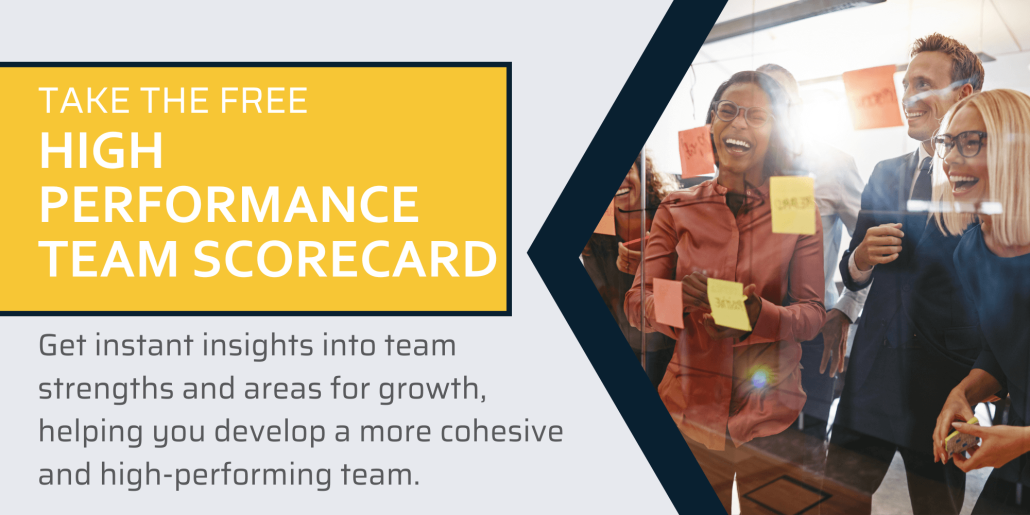
These tools can measure key competencies like emotional intelligence, communication style, and decision-making capabilities. By identifying potential blind spots, organisations can provide targeted coaching and support to help leaders grow. This data-driven approach moves beyond guesswork, allowing for strategic interventions that build a stronger, more resilient leadership team.

A Commitment to Continuous Improvement

Creating a psychologically safe workplace is not a one-time project; it’s an ongoing commitment. It requires continuous effort, regular assessment, and a willingness to adapt. By identifying and addressing toxic behaviours, investing in developing leadership skills, and using assessment and profiling tools, organisations can build a culture where everyone feels valued, respected, and empowered to succeed.

This foundation of psychosocial safety both reduces costs associated with turnover and absenteeism, and unlocks the full potential of your greatest asset: your people.

Leadership Development

Let us help you find what you’re looking for!

Stay up to date with us!

Strategies to Counteract Toxic Workplace Behaviours

The Hidden Cost of Silence: How Psychological Safety Drives ROI

The Hidden Cost of Silence: How Psychological Safety Drives ROI

What if the biggest risk to your organisation isn’t market volatility or technological disruption, but the conversations that never happen? The ideas that die in silence? The warnings that remain unspoken until it’s too late?

leadership strategy

In 2015, the cargo ship El Faro sailed straight into Category 4 hurricane Joaquin. All 33 crew members perished. Investigation records revealed a chilling pattern: crew members had concerns about the captain’s decisions, but the rigid hierarchy and fear of speaking up silenced critical voices. Those unspoken warnings cost 33 lives and millions in losses.

This tragedy illustrates a profound business truth that executive leadership often overlooks: silence isn’t golden; it’s expensive. The absence of psychological safety doesn’t just hurt morale, it devastates the bottom line through hidden risks and missed opportunities.

What Psychological Safety Really Means

First coined by Harvard Business School professor Amy Edmondson, psychological safety is a shared belief held by members of a team that the group is safe for interpersonal risk-taking. It’s not about being nice or creating a comfortable workplace. It’s about building an environment where high performing teams can surface problems early, challenge assumptions, and innovate without fear.

For executive leaders, understanding this concept is a strategic imperative that directly impacts risk management and organisational resilience.

Risk Reduction Through Early Warning Systems

When teams operate with psychological safety, they become your organisation’s early warning system. Problems surface before they become crises. Mistakes are reported before they compound. Market shifts are discussed before competitors capitalise on them.

Consider the financial impact: a single workplace accident can cost organisations hundreds of thousands in compensation, legal fees, and reputational damage. A data breach discovered months late versus days early can mean the difference between containment and catastrophe. Product defects caught in development versus after launch can save millions in recalls and lost customer trust.

Building resilient teams means creating environments where employees feel safe to raise uncomfortable truths. When your people can challenge decisions without fear, you reduce blind spots that lead to costly strategic errors.

Turning Setbacks into Strengths

Psychological safety doesn’t just prevent disasters, it accelerates recovery and learning. Effective teams in psychologically safe environments treat failures as data points rather than sources of shame. This fundamental shift transforms how organisations adapt to change.

When mistakes happen (and they will), psychologically safe teams diagnose root causes faster, implement solutions more effectively, and prevent recurrence more successfully. This isn’t just about bouncing back; it’s about bouncing forward with enhanced capabilities.

Leadership development programs often focus on individual skills, but the most impactful leaders understand that team dynamics drive performance. Creating a culture where people speak up multiplies individual talent by enabling collective intelligence to emerge.

The One Thing Every Executive Leader Must Understand

Here’s the clear takeaway that should keep you awake at night and energised during the day: The conversations your team isn’t having with you are costing you more than the conversations they are.

Every unspoken concern represents potential risk. Every unshared idea represents a missed opportunity. Every moment of silence when someone should speak up represents a failure of leadership—not theirs, but yours.

The organisations that thrive don’t just have talented individuals; they have talented individuals who feel safe to use their talents fully. The difference isn’t just measurable, it’s transformational.

Your Next Move

This week, ask your direct reports a simple question in your next one-to-one: “What’s one thing you think we should be doing differently that you haven’t felt comfortable bringing up?”

Then do the hardest thing an executive can do: listen without defending, thank them for their honesty, and act on what you learn.

The silence you break today could save your organisation tomorrow.

Leadership Development

Let us help you find what you’re looking for!

Stay up to date with us!

The Hidden Cost of Silence: How Psychological Safety Drives ROI

Creating Boundaries to Protect Mental Wellbeing

Creating Boundaries to Protect Mental Wellbeing

Imagine leading a team that is engaged, resilient, and consistently performing at its best without burning out. Executives set the tone for your organisation’s culture. Here’s the surprising truth: the single greatest lever for your people’s mental health and your organisation’s sustainable success may be how you model and protect boundaries, starting with your own.

Why Boundaries Are a CEO-Level Issue

We are long past the era where “always on” was a badge of honour. The best performing organisations thrive when leaders foster clear boundaries that empower teams to work smarter, not harder. If employees don’t know where work ends and life begins, neither productivity nor wellbeing stands a chance.

executive coaching

Setting boundaries isn’t about being unavailable, it’s about being intentional. When you clarify what deserves your focus, you protect your energy and make smarter decisions. The same is true for every leader reporting to you, and for every person in your care. The question isn’t whether boundaries matter; it’s whether you are demonstrating their value from the front.

Core Boundaries Every Executive Should Master

Boundaries are the architecture of sustainable leadership. Start with these fundamentals:

  • Strategic Time Protection: Carve out undisturbed time for deep work and critical thinking. Block out your visibly on your calendar. Senior leadership demands reflection and focus, not constant reaction.
  • Emotional Clarity: Know what emotional challenges are yours to solve and what aren’t. Model emotional intelligence by supporting your team through challenges while maintaining perspective and protecting your own wellbeing.
  • Communication Discipline: Set expectations about your availability. If you don’t expect replies at midnight, don’t send emails at midnight. Clarity about response times and channels supports everyone’s sanity.
  • Ownership of Priorities: Learn to say no, even to high-potential opportunities, so you can say yes to what matters most. When executives draw firm lines, it legitimises this practice for the entire organisation.

Leadership’s Role in Cultural Change

Executives are culture amplifiers. What you do (actively or passively) becomes the permission structure for everyone below you. Shaping a boundary-respecting workplace starts at the top:

  • Encourage leaders at every level to use their annual leave and respect breaks.
  • Publicly acknowledge when healthy boundaries are honored, reinforcing this standard.
  • Build leadership development programs that include psychological safety, boundary setting, and psychosocial risk management as non-negotiable skills.
  • Be vigilant against boundary erosion: if work is bleeding into evenings and weekends, ask why and address the root causes

Navigating Pushback Like a Leader

Change, especially cultural change, attracts resistance. Honour your own boundaries, and some will question or test them. Stay grounded. Reaffirm the non-negotiables, explain the rationale, and offer support. For difficult transitions, leverage trusted colleagues, HR, or executive coaches for perspective and guidance.

The Executive Edge: Boundaries as a Leadership Multiplier

Here’s your bottom line: When you model and uphold healthy boundaries, you protect your own wellbeing and give your teams permission to do the same. The result? Greater trust, sharper focus, and a more resilient, high-performing organisation.

The best leaders don’t just set goals, they set boundaries, and in doing so, they unlock the full potential of their teams.

Audit your professional boundaries this week. Choose one change—a set “shutdown” time, protected thinking block, or transparent communication update—and put it in motion. Watch how your clarity becomes your team’s confidence.

Leadership Development

Let us help you find what you’re looking for!

Stay up to date with us!

Creating Boundaries to Protect Mental Wellbeing

Addressing Stigma Around Mental Health at Work

Addressing Stigma Around Mental Health at Work

Mental health challenges affect one in four people globally, yet many employees remain reluctant to discuss these issues in their workplace. The stigma surrounding mental health continues to create invisible barriers that prevent open dialogue, limit access to support, and ultimately harm both individual wellbeing and organisational performance.

When employees feel they must hide their mental health struggles, organisations miss crucial opportunities to provide support and create psychologically safe environments. This silence doesn’t just impact individual employees; it affects team dynamics, productivity, and the overall organisational culture that leaders work so hard to build.

Understanding How Stigma Manifests

Mental health stigma in the workplace takes many forms, often subtle yet deeply impactful. Employees frequently express fear of being perceived as weak, unreliable, or unsuitable for advancement if they disclose mental health concerns. Research from Diversity Council Australia shows that more than half of Australian workers hide a mental or even physical health condition to avoid discrimination at work.

executive coaching

The manifestation of this stigma creates a cycle where employees suffer in silence, leading to increased absenteeism, reduced engagement, and higher turnover rates. Without proper support mechanisms and open communication channels, these issues compound, creating an environment where psychological safety becomes compromised.

Executive coaches frequently observe how this stigma impacts a leader’s ability to connect with their team and make sound decisions. When leaders feel pressured to avoid vulnerability or admit mistakes, it can create barriers to trust and limit opportunities for growth and collaboration.

Creating a Foundation for Change

Leadership Involvement and Authenticity

Transforming organisational culture around mental health requires genuine commitment from leadership. When executive leaders and senior managers openly discuss mental health, they signal that these conversations are not only acceptable but encouraged. This inner-outward approach is essential for any successful leadership development plan aimed at creating psychologically safe workplaces.

Effective leadership coaching often emphasises the importance of authentic communication. Leaders who share their own experiences with stress, burnout, or mental health challenges (while maintaining appropriate professional boundaries) demonstrate that seeking support is a sign of strength, not weakness.

Mental Health First Aid Training

One of the most practical steps organisations can take is implementing Mental Health First Aid (MHFA) training programs. This evidence-based approach equips employees with the skills to recognise signs of mental health challenges and provide initial support to colleagues who may be struggling.

MHFA training creates a network of trained individuals throughout the organisation who can serve as first points of contact for employees experiencing difficulties. This peer-to-peer support system helps normalise conversations about mental health while ensuring that appropriate professional resources are accessible when needed.

Building Psychological Safety

Creating psychological safety requires intentional effort to establish environments where employees feel secure expressing concerns, asking questions, and admitting mistakes without fear of punishment or humiliation. Effective leadership training will focus on helping leaders at all levels develop the skills necessary to foster such environments.

Key elements include regular check-ins with team members, creating multiple channels for employees to seek support, and ensuring that mental health resources are readily available and well-communicated. When employees know that their organisation genuinely cares about their wellbeing, they’re more likely to engage openly about their challenges.

The Organisational Benefits

Organisations that successfully reduce stigma around mental health typically experience improved employee engagement, reduced absenteeism, and lower turnover rates. When employees feel supported, they’re more likely to seek help early, preventing minor concerns from escalating into major issues that require extended time off. 

This proactive approach not only benefits individual employees but also maintains team productivity and reduces the costs associated with recruitment and training. Furthermore, organisations known for their supportive approach to mental health often find it easier to attract top talent, particularly as younger generations increasingly prioritise workplace wellbeing when making career decisions.

Building a Mentally Healthy Future

Addressing mental health stigma requires ongoing commitment rather than one-off initiatives. Successful organisations continuously evaluate their approaches, seek feedback from employees, and adapt their strategies based on emerging needs and best practices.

The journey towards reducing mental health stigma begins with small, consistent actions that demonstrate genuine care for employee wellbeing. Through thoughtful leadership, executive coaching programs, and a commitment to psychological safety, organisations can create environments where mental health conversations are as normal and accepted as discussions about physical health.

As we move forward, the organisations that thrive will be those that recognise mental health support not as an additional burden, but as a fundamental component of effective leadership and sustainable business success.

Leadership Development

Let us help you find what you’re looking for!

Stay up to date with us!

Addressing Stigma Around Mental Health at Work

Leading with Vulnerability to Build a Cohesive Workforce

Leading with Vulnerability to Build a Cohesive Workforce

Many leaders believe that showing vulnerability makes them appear weak or incompetent. This misconception prevents countless professionals from unlocking one of the most powerful tools in developing leadership skills: authentic human connection.

Vulnerability in leadership doesn’t mean oversharing personal details or appearing emotionally unstable. Rather, it involves the courage to acknowledge uncertainty, admit mistakes, and show genuine concern for your team’s wellbeing. When leaders embrace this approach, they create the foundation for exceptional organisational culture and building resilient teams.

The Hidden Power of Vulnerable Leadership

Trust Through Transparency

When leaders share their challenges and uncertainties, they demonstrate that perfection isn’t the expectation. This transparency encourages team members to voice concerns, share innovative ideas, and take calculated risks without fear of harsh judgement. Trust becomes the cornerstone of your leadership development plan.

Dare to Lead
Open Communication Channels

Teams led by vulnerable leaders experience significantly improved communication flows. Staff feel safe discussing problems before they escalate, offering creative solutions, and providing honest feedback about processes and decisions. This openness prevents many organisational issues from festering beneath the surface.

Psychological Safety at Work

Vulnerability creates an environment where team members feel safe to be themselves. They’re more likely to stretch beyond their comfort zones, learn from failures, and support colleagues during challenging periods. This emotional intelligence in action transforms workplace dynamics.

Vulnerable Leadership in Practice

Consider these practical examples of how leaders can demonstrate vulnerability whilst maintaining authority:

Acknowledging Knowledge Gaps: “I don’t have experience with this particular software, but Sam does. Let’s have her lead this discussion whilst I learn alongside everyone else.”

Sharing Strategic Uncertainty: “We’re navigating uncharted territory with this market shift. I’m confident in our team’s ability to adapt, though I’ll be honest: I don’t have all the answers yet.”

Admitting Mistakes: “I made an error in judgement with last quarter’s resource allocation. Here’s what I’ve learned from it and how we’ll adjust moving forward.”

Your Roadmap to Vulnerable Leadership

Start Small and Authentic

Begin with minor admissions of uncertainty or areas where you’re learning. Share a professional challenge you’re working through or ask for input on decisions where you genuinely value team perspectives. Authenticity is crucial; forced vulnerability appears manipulative and damages trust.

Model the Behaviour You Want

When you ask for help, your team feels comfortable seeking support when needed. Your actions set the standards for your entire organisation. The Dare to Lead™ program encourages leaders at all levels to gain clarity about who they are as a leader and integrate more courage, strength, and bravery into the way they lead themselves and others.

Create Safe Spaces for Others

Establish regular one-to-ones, team retrospectives, or informal check-ins where honest conversations are explicitly encouraged. Train your emotional intelligence skills to recognise when team members need support, and respond with empathy rather than immediate problem-solving.

Balance Vulnerability with Competence

Effective vulnerable leaders balance openness with demonstrated competence. Share your uncertainties whilst also highlighting your commitment to finding solutions and supporting your team through challenges.

Measuring the Impact

Teams with vulnerable leaders typically demonstrate higher engagement scores, reduced turnover, improved innovation metrics, and stronger collaborative relationships. These outcomes directly contribute to organisational culture transformation and long-term business success.

Building Your Leadership Legacy

Vulnerable leadership isn’t about becoming everyone’s friend or sharing every personal struggle. It’s about creating an environment where people can bring their whole selves to work, contribute meaningfully, and grow professionally within a supportive framework.

The leaders who understand the distinction of being both strong and vulnerable are the ones building tomorrow’s most successful organisations. They’re developing leadership skills that transcend traditional command-and-control approaches, creating workplaces where both individuals and businesses thrive.

Start practising vulnerable leadership today. Your team is waiting for permission to be human at work, and you have the power to grant it.

Leadership Development

Let us help you find what you’re looking for!

Stay up to date with us!

Leading with Vulnerability to Build a Cohesive Workforce

Strategies to Embed Psychological Safety Across All Organisational Levels

Strategies to Embed Psychological Safety Across All Organisational Levels

The modern workplace faces a silent crisis. Despite growing awareness around mental health and inclusive cultures, a 2024 McKinsey survey revealed that only 26% of employees believe they work in a psychologically safe environment. This statistic represents millions of workers who feel unable to speak up, share ideas, or admit mistakes without fear of negative consequences.

leadership excellence

Psychological safety is the foundation upon which effective teams, innovation, and organisational resilience are built. When employees feel safe to be themselves and share openly, organisations can tap into their full potential and become more adaptable.
For leaders committed to developing leadership capabilities that drive real change, embedding psychological safety across all organisational levels requires intentional strategy and sustained effort.

Three Leadership Strategies to Build Psychological Safety

Model Vulnerability and Openness

Leaders set the tone for psychological safety through their own behaviour. When senior leaders admit their mistakes, ask for help, and acknowledge what they don’t know, they create permission for others to do the same. This isn’t about appearing weak, it’s about demonstrating strength through authenticity.

Ask genuine questions during presentations rather than making statements. When someone brings up a concern, respond with curiosity before offering solutions. These small actions signal that learning and growth matter more than perfection.

Create Structured Opportunities for Input

Psychological safety flourishes when there are clear, consistent channels for employees to contribute ideas and raise concerns. Establish regular one-to-ones, team retrospectives, and skip-level meetings where the explicit purpose is to listen and learn.

While fostering an environment where open, day-to-day feedback is encouraged is vital for building trust and adaptability within teams, it is equally important to create intentional, dedicated opportunities for more structured input. By complementing casual feedback with formalised sessions, organisations can ensure that all voices are heard and more complex or sensitive matters are addressed with the attention they deserve.

Respond Positively to Feedback and Questions

How leaders respond in moments of truth determines whether psychological safety takes root or withers. When someone raises a concern, points out an error, or suggests an alternative approach, the leader’s response becomes a teaching moment for the entire team.

Thank people specifically for their input, even when it’s uncomfortable to hear. Ask follow-up questions to understand their perspective fully. When you need to disagree, focus on the idea rather than the person. Most importantly, follow through on commitments made during these conversations. This builds trust that speaking up leads to meaningful action.

Three Steps to Embed Psychological Safety Through Training

Assessment and Baseline Setting

Before developing leadership capabilities through training, organisations need to understand their current state. Conduct anonymous surveys, focus groups, and 360-degree feedback sessions to identify where psychological safety exists and where it’s lacking.

This baseline data gained from these assessments informs targeted interventions and provides a benchmark for measuring progress over time.

Skill-Building Workshops

Effective leadership development training includes specific modules on creating psychological safety. These sessions should combine theoretical understanding with practical skill development. Focus on active listening techniques, constructive feedback delivery, conflict resolution, and inclusive meeting facilitation.

Role-playing exercises are particularly valuable, allowing leaders to practice difficult conversations in a safe environment. Include scenarios specific to your industry and organisational challenges to maximise relevance and impact.

Ongoing Coaching and Support

Establish coaching relationships, peer mentoring programs, and regular check-ins to support leaders as they implement new approaches. Create learning groups where managers can share challenges and solutions with colleagues facing similar situations.

Consider appointing psychological safety champions at different levels of the organisation. These individuals receive advanced training and serve as resources for their teams whilst modelling best practices in their daily interactions.

The Performance Impact of Psychological Safety

Research consistently demonstrates that psychologically safe teams outperform their counterparts across multiple dimensions. Google’s Project Aristotle identified psychological safety as the single most important factor distinguishing high-performing teams from the rest.

When employees feel safe to contribute, organisations benefit from increased innovation, faster problem-solving, and greater adaptability to change. Effective teams emerge naturally when members can build on each other’s ideas without fear of criticism or blame.

Perhaps most critically for organisational resilience, psychologically safe environments enable early identification and resolution of problems. When employees feel comfortable raising concerns, small issues don’t escalate into major crises. This early warning system becomes invaluable during periods of uncertainty or rapid change.

Teams with high psychological safety also demonstrate better learning from failures, more effective knowledge sharing, and higher levels of employee engagement and retention. The compound effect of these benefits creates sustainable competitive advantages that are difficult for competitors to replicate.

Building Your Foundation for Success

Psychological safety is an ongoing commitment that requires consistent attention and reinforcement. The leaders who succeed in building truly safe workplaces understand that this work happens through countless small interactions rather than grand gestures.

Start with yourself. Examine your own responses to feedback, mistakes, and challenging questions. Then expand your focus to your immediate team before scaling these approaches across the broader organisation. Building psychological safety takes time, but with a solid leadership development plan, the investment leads to better performance, greater innovation, and stronger organisational resilience.

Leadership Development

Let us help you find what you’re looking for!

Stay up to date with us!

Strategies to Embed Psychological Safety Across All Organisational Levels

Creating Allies in the Workplace for Mental Health Advocacy

Creating Allies in the Workplace for Mental Health Advocacy

Mental health advocacy has never been more critical in professional environments. As we approach Wear it Purple Day on August 30th—a day dedicated to supporting LGBTQIA+ young people and fostering inclusive environments—organisations have a unique opportunity to strengthen their commitment to mental wellbeing for all employees.

Creating genuine allies for mental health advocacy requires more than good intentions. It demands structured approaches, proper training, and a deep understanding of how organisational culture shapes employee experiences. The most effective workplace allies combine emotional intelligence with practical skills, creating environments where every team member feels valued and supported.

Understanding Workplace Allyship

Allyship extends beyond surface-level support. True allies actively use their influence to create positive change, particularly for colleagues who may face additional challenges due to their identity, mental health status, or personal circumstances. This becomes especially significant when considering that one in four people experience mental health issues each year, yet many hesitate to seek support due to workplace stigma.

leadership strategy

Mental health challenges in professional settings often remain invisible. Employees may struggle with anxiety, depression, or stress whilst maintaining their professional facade. Effective allies recognise these hidden struggles and create safe spaces for authentic conversations about wellbeing.


Essential Steps for Effective Mental Health Advocacy

Develop Your Understanding

    Start with comprehensive education about mental health conditions, their impact on work performance, and the barriers employees face when seeking help. Assessment and profiling tools can help you understand your own emotional intelligence baseline, providing insight into how you respond to colleagues experiencing difficulties.

    Leadership assessment and profiling reveals your natural communication style and potential blind spots. This self-awareness forms the foundation for meaningful support, helping you recognise when your approach might need adjustment.

    Offer Genuine Support

      Support takes many forms, from checking in regularly to advocating for reasonable adjustments in workload or working arrangements. The key lies in following the colleague’s lead rather than imposing your own ideas about what help they need.

      Sometimes support means stepping back and respecting someone’s choice to handle their challenges privately. Other times, it involves connecting colleagues with professional resources or ensuring they’re aware of available support services.

      Respect Boundaries and Privacy

        Mental health allyship requires careful navigation of personal boundaries. Colleagues may share information in confidence, and maintaining that trust is essential for effective advocacy. Understanding when to act and when to simply listen requires both emotional intelligence and clear judgement.

        Privacy concerns extend beyond individual conversations. Allies must consider how their actions might inadvertently expose colleagues or create unwanted attention around someone’s mental health status.

        Challenge Stigma Appropriately

        Effective allies address discriminatory language and attitudes whilst maintaining psychological safety for all team members. This requires skillful communication and an understanding of how different approaches affect group dynamics.

        Challenging stigma doesn’t always mean direct confrontation. Sometimes it involves modelling inclusive language, sharing educational resources, or creating opportunities for open discussions about mental health.

        Tools and Resources for Building Ally Networks

        Modern organisations have access to sophisticated assessment and profiling tools that support ally development. These instruments measure emotional intelligence, communication preferences, and leadership potential, providing data-driven insights for targeted development.

        Leadership development training programs increasingly incorporate mental health awareness and psychosocial safety principles. These programs help managers and senior staff understand their role in creating supportive environments whilst maintaining professional boundaries.

        Psychosocial safety is the belief that team members can express themselves without fear of negative consequences; it forms the cornerstone of mentally healthy workplaces. Organisations investing in psychosocial safety training often see improved employee engagement, reduced turnover, and better overall performance.

        Organisational culture assessment tools help identify systemic barriers to mental health support. These instruments reveal whether company values align with daily practices and highlight areas where cultural change might be needed.

        Creating Lasting Change

        Building mental health allyship takes effort and organisational commitment. While individual allies make an impact, real change happens when leadership prioritises mental wellbeing and provides resources for growth.

        As we mark Wear it Purple Day, think about how you can help create a workplace where mental health advocacy thrives. Start by assessing yourself, building emotional intelligence, and supporting colleagues through both challenges and successes.

        The strongest ally networks grow when personal commitment meets professional development, creating changes that transform workplace culture. Your journey as a mental health advocate starts with a conversation, active listening, or challenging stigma when you see it.

        Leadership Development

        Let us help you find what you’re looking for!

        Stay up to date with us!

        Creating Allies in the Workplace for Mental Health Advocacy

        What is the Difference Between Psychological Safety and Psychosocial Safety?

        What is the Difference Between Psychological Safety and Psychosocial Safety?

        Roderick Cross is a long time partner of The Leadership Sphere who is leading expert in psychosocial safety and one of Australia’s most highly sought after leadership coaches. We’ll be joined by Roderick on  September 4th, 2025 to chat with him live. Sign up here to join the conversation. 

        This article was originally published by Roderick Cross on LinkedIn.

        April marked the two-year anniversary of the enforcement of the ‘Managing psychosocial hazards at work’ Code of Practice (the Code) which provides direction and guidance on ways to achieve the standards for health, safety, and welfare under the WHS Act.

        How do you use them to support your people and your business?

        Many of you will be familiar with the story of space shuttle engineer Rodney Rocha. He raised the alarm of potential damage to the shuttle Columbia on the day of the launch ‘in an email to his immediate supervisor in bold-face type’. When his initial request for additional information was declined, he sent another email, referencing a NASA safety poster that stated: ‘If it’s not safe, say so’.

        However, he shared the second email with fellow engineers, as ‘engineers were often told not to send messages much higher than their own rung in the ladder’. Feeling discouraged and knowing that saying more may be career limiting at NASA, he did not share his anxieties in subsequent mission team meetings- hoping others with more clout might offer their concerns.*

        We can all appreciate that having tentative concerns and unproven ideas, and speaking up or remaining silent are traded off against the interpersonal risks and harm to performance and productivity, which in the case of Columbia was seven deaths, plus countless impacts on all staff, families and the wider community.

        There are three ways to help change this for the better for your teams, business and communities.

        The three ways to help change this for the better for you, your teams, business, and communities are explained in the graphic below.  The first two have some organisational attention e.g. in policy and meeting etiquette etc., which is great.  However, they are often misunderstood, used interchangeably and are distinct.

        1. Psychological safety—this is good practice and a shared ‘could do’ conventions of interactions*.

        2. Psychosocial safety—this is best practice and a shared ‘must do’ compliance with WHS regulations and Code. #

        3. BACUPS—this is next practice and a shared ‘how to’ culture.

        BAC UPS Can Help

        The Building A Culture of Unifying Psychosocial Safety (BAC UPS) program is an integrated and innovative approach that leverages both psychological safety (in teams and interactions) and psychosocial safety. BACUPS includes workshops, tools, peer to peer support and team processes, as well as providing benchmark and baseline metrics into your current psychosocial health and safety, and opportunities for improvement.

        BACUPS can be integrated into your current development initiatives, or it can be a stand-alone offering, e.g., 2-hours, half day or whole day workshop to quickly build knowledge, competence and confidence in your organisation to:

        • Help create and maintain a psychological safe workplace environment.
        • Help your organisation meet compliance with the Code of Practice.
        • Helps you build a proactive, positive psychosocial safety culture where psychosocial health, wellbeing and safety are business priorities and drivers of business outcomes.
        • Supports your systems, teams and individuals to be safer and healthier to sustain productivity and performance.

        Although it may not be 2003 and you may not be working in NASA, we can all appreciate the need for our people to raise their hands and raise their voices to meet the changes of the current demanding and turbulent business context.

        Hear more of Roderick’s insights into psychosocial safety and BAC UPS on September 4th, 2025 when he joins us to discuss all this and more. Register to the event and join us live by following this link.

        *Adapted from Edmondson, A: Teaming 2012, John Wiley & Sons, p146 &147.
        # Australian Legislation Framework. E.g. Code of Practice – Managing psychosocial hazards at work. SafeWork Australia 2002

        Leadership Development

        Let us help you find what you’re looking for!

        Stay up to date with us!

        What is the Difference Between Psychological Safety and Psychosocial Safety?

        What Does the ‘HEALTH’ Part of the Workplace Health and Safety Really Mean?

        What Does the ‘HEALTH’ Part of the Workplace Health and Safety Really Mean?

        Roderick Cross is a long time partner of The Leadership Sphere who is leading expert in psychosocial safety and one of Australia’s most highly sought after leadership coaches. We’ll be joined by Roderick on  September 4th, 2025 to chat with him live. Sign up here to join the conversation. 

        This article was originally published by Roderick Cross on LinkedIn.

        April marked the two-year anniversary of the enforcement of the ‘Managing psychosocial hazards at work’ Code of Practice (the Code) which provides direction and guidance on ways to achieve the standards for health, safety, and welfare under the WHS Act.

        A primary duty under the Code is that a person conducting a business or undertaking (PCBU) must ensure, so far as is reasonably practicable, workers and other persons are not exposed to risks to their psychological or physical health and safety. A PCBU must eliminate psychosocial risks in the workplace, or if that is not reasonably practicable, minimise these risks so far as is reasonably practicable using the risk management process and controls.

        A worker’s duties are that they must take reasonable care for their own psychological and physical health and safety and to (take care their acts or omissions do) not adversely affect the health and safety of other persons. Workers must comply with reasonable health and safety instructions, as far as they are reasonably able, and cooperate with reasonable health and safety policies or procedures that have been notified to workers.

        At its simplest level it could be seen as:

        Creating (provide and maintain) a safe workplace environment for all and setting the standards for each (individual) person to maintain their health and perform their duties.

        In this post we spend a little time on the ‘individual’ and the importance of ‘their health’ to the success of the system level safety and workplace environment, and sustainable performance and productivity.

        What do we mean by health?

        The WHS Act defines ‘health’ to include both physical and psychological health. This means that where the WHS Act imposes a duty in relation to ‘health’, PCBUs must manage risks to both physical and psychological health, so far as is reasonably practicable, and workers must take reasonable care of their own and others’ health. What does that actually mean?

        According to the World Health Organisation (WHO):

        Health is a state of complete physical, mental and social well-being and not merely the absence of disease or infirmity.

        Mental health (psychological) is a state of wellbeing in which every individual realises his or her own potential, can cope with the normal stresses of life, can work productively and fruitfully, and is able to make a contribution to his or her community.

        Peoples’ health ‘state’ includes their responses to the environment in the utilisation of their resources in coping/adapting to stressors and meeting demands and expectations. These responses are experienced in the ‘outer’ workplace in functioning through behaviours, words and silence, actions and inactions with others; and the ‘inner’ experience of thinking, emotion and physical (e.g. cardiovascular and musculoskeletal, energy etc).

        Psychological health occurs on a continuum of responses which workers may experience, with the WHO definition of psychological health occurring at one end of this continuum and injury and harm at the other. An individual’s experience may move back and/or forward on this continuum over time. (WHS Qld Code p.5)

        Why does it matter?

        Risks to psychological health are known as psychosocial risks. Section 55B of the WHS Regulations defines psychosocial risk as a risk to the health and safety of a worker or other person from a psychosocial hazard.

        Another duty under the Code is there must be regular consultation and effective reporting. Worker’s input is needed with assessing and identifying risks, making decisions for resolving issues about the psychosocial risks to health and safety, and to gather their views and contribution on practical suggestions and potential solutions on what control measures are implemented, monitoring effectiveness of controls and health of workers.

        The code also makes it clear that sometimes, some workers may be at greater risk or vulnerable to injury and harm, less willing to participate in consultation and reporting, and hesitant to raise issues and discuss hazards. For example, workers with:

        limited experience in the workplace (e.g. young workers- may lack knowledge or not identify hazards, or lack confidence to report them)

        barriers to understanding safety information (e.g. culturally, literacy or language diversity)

        perceived barriers to raising safety issues e.g. power imbalance (due to insecure, casual or precarious work arrangements, or career progression) or stigma and discrimination (due to disability or identifying as part of the LGBTQIA+ community, etc).

        previous exposure to a hazard (directly or indirectly) who have suffered harm or injury, or have disclosed they have additional needs, and on returning to health and work.

        Our experience would also suggest that people who are at the lower end of the health state continuum may also have less resources to cope and adapt to stressor from psychosocial risks and work demands and may be less able to fully participate in the risk management and other safety practices (e.g. consultation etc).

        In summary

        Health is an individual’s response to the experience of stressors that may arise from hazards in the workplace environment.

        Health is dynamic, on a continuum, and includes thinking, feeling, physical aspects, as well as behaviours and interactions with others. Some things we can observe, and others need to be shared.

        It is normal to struggle at times due to demands overwhelming resources, potentially impacting performance and effectiveness. At these times there may be an increased exposure to psychosocial risks and reduction in contribution to the risk management and other safety processes.

        Individual health is made up of experiences, capacity, strengths, values and resources to support coping/adapting and responding to stress and demands of life, and influenced by the context (environment) which may increase risks of injury or harm.

        How can this be used to sustain performance and productivity? BAC UPS

        That’s where our Building A Culture of Unifying Psychosocial Safety-BAC UPS program can help support organisations, teams and individuals to value each individual’s health state, and build resources of:

        • Thinking—involving problem solving, decision making and ability to focus attention—their psychological health;
        • Emotional intelligence, psychological flexibility and management—their emotional wellbeing, and;
        • Ability to relate to and work productively as members of teams—positive relationships.

        BAC UPS also supports the system / organisational level to be safer, healthier, more innovative, and adaptive to stressors/challenges and improve productivity, and compliance with the Code.

        It helps people understand and utilise the health continuum, psychological safety environments, and the states (awareness) and stages (dynamics) of radical health including- normalising and resolving struggles, reducing stigma and discrimination, supporting people to adapt and learn to thrive.

        It helps leaders and staff to hold authentic conversations to build health and prevent psychosocial hazards at the individual and team levels, improve systems, support leaders’ awareness of and understanding of staff members’ health state and knowing how to help.

        We’ll be sharing more of Roderick’s insights into psychosocial safety and BAC UPS in the lead up to our conversation with him on September 4th, 2025. Register to the event and join us live by following this link.

        Leadership Development

        Let us help you find what you’re looking for!

        Stay up to date with us!

        What Does the ‘HEALTH’ Part of the Workplace Health and Safety Really Mean?

        How Strong Safety Cultures Drive Business Success and Resilience

        How Strong Safety Cultures Drive Business Success and Resilience

        August 16th is the National Day of Action Against Bullying & Violence, it’s worth reflecting on how the principles of safety and respect extend far beyond this important awareness day. The same foundations that protect against workplace bullying like trust, open communication, and genuine care for people, form the bedrock of successful organisations.

        Strong safety cultures that extend beyond compliance or risk management are about creating environments where people can perform at their best, where innovation thrives, and where businesses can weather any storm. When executive leadership prioritises psychological safety and invests in leading teams with empathy and purpose, the results speak for themselves: higher engagement, better performance, and remarkable resilience when challenges arise.

        The Foundation of Strong Safety Cultures

        A strong safety culture rests on three fundamental pillars that executive leadership must actively cultivate.

        Trust forms the cornerstone. Team members need to believe their leaders have their best interests at heart and will support them when things go wrong. This trust develops when executives demonstrate consistency between their words and actions, admit their own mistakes, and show genuine concern for employee wellbeing.

        leadership excellence

        Respect manifests in how people interact across all levels of the organisation. It means valuing diverse perspectives, listening actively to concerns, and treating every individual with dignity regardless of their position. Executive coaches often work with leaders to develop these respectful communication skills that become embedded throughout organisational culture.

        Open communication creates the channels through which trust and respect flow. People must feel safe to voice concerns, suggest improvements, and report problems without fear of retaliation. This psychological safety allows teams to identify and address issues before they escalate into major problems.

        Executive Leadership’s Role in Psychological Safety

        Executive leadership plays a pivotal role in establishing psychological safety within teams. Leaders who invest time in understanding their people, their motivations, and their concerns create environments where everyone can contribute authentically.

        Effective leaders model vulnerability by acknowledging when they don’t have all the answers. They ask for input, admit uncertainties, and demonstrate that learning and growing are valued over appearing perfect. This behaviour gives permission for others to do the same, creating a culture where continuous improvement becomes natural.

        Regular one-on-one conversations, team check-ins, and informal interactions all contribute to building psychological safety. Many executives benefit from executive coaching to develop these softer skills that have such a significant impact on organisational culture.

        Leading teams effectively requires recognising that workplace safety encompasses physical, emotional and psychological wellbeing. When people feel secure, supported, and valued, they bring their best selves to work every day.

        Impact on Business Resilience

        Companies with strong safety cultures consistently outperform their competitors when facing disruption. This resilience stems from several key advantages.

        Firstly, employees in psychologically safe environments are more likely to surface problems early. They don’t hide mistakes or avoid difficult conversations, which means issues get resolved quickly rather than festering into major crises.

        Secondly, these organisations have higher levels of employee engagement and retention. People want to work for companies where they feel valued and supported. This stability provides a strong foundation during turbulent times.

        Finally, strong safety cultures foster innovation. When people aren’t afraid to fail, they’re more willing to try new approaches, suggest improvements, and take calculated risks that drive business growth.

        Practical Steps for Building Safety Culture

        Building a strong safety culture requires intentional action from executive leadership. Start by conducting honest assessments of your current culture through employee surveys, exit interviews, and regular feedback sessions.

        Establish clear expectations around behaviour and communication. Create policies that protect people from bullying and harassment, but more importantly, model the respectful behaviour you want to see throughout the organisation.

        Invest in leadership development across all levels. This might include executive coaching for senior leaders, management training for middle managers, and communication skills development for team leaders. Leading teams effectively is a skill that can be learned and improved.

        Create multiple channels for feedback and ensure they’re genuinely safe to use. Anonymous suggestion boxes, regular pulse surveys, and open-door policies all have their place, but they only work if people trust they won’t face negative consequences for honest feedback.

        Celebrate examples of positive safety culture behaviours. Recognise people who speak up about problems, who support colleagues, or who demonstrate the values you want to embed in your organisational culture.

        Building Lasting Success Through Safety

        Strong safety cultures aren’t built overnight, but the investment pays dividends in business performance, employee satisfaction, and organisational resilience. As we mark the National Day of Action Against Bullying & Violence, remember that creating truly safe workplaces requires ongoing commitment from executive leadership.

        The most successful leaders understand that psychological safety is an ongoing journey that requires constant attention and refinement. By prioritising people’s wellbeing, fostering open communication, and demonstrating genuine care for every team member, executive leadership can build organisations that not only survive challenges but emerge stronger from them.

        Executive coaching can provide valuable support for leaders committed to building these cultures, offering guidance, accountability, and practical strategies for leading teams with both compassion and effectiveness.

        Leadership Development

        Let us help you find what you’re looking for!

        Stay up to date with us!

        How Strong Safety Cultures Drive Business Success and Resilience

        I’m Done!

        I’m Done!

        Roderick Cross is a long time partner of The Leadership Sphere who is leading expert in psychosocial safety and one of Australia’s most highly sought after leadership coaches. We’ll be joined by Roderick on  September 4th, 2025 to chat with him live. Sign up here to join the conversation.

        This article was originally published by Roderick Cross on LinkedIn

        In our coaching and consulting, one important practice we use for ourselves as practitioners and for our clients is to be present—to the here and now, and how we are. Being able to do this with focus and with flexibility are very important skills for effectiveness and sustaining performance. It usually involves only a couple of minutes at the beginning of an engagement, where we invite people to take a breath, a moment and really answer—How are you, at present?

        What we have noticed over time is a progressive and now rapid decline in how they respond. The typical replies used to include a mix of: ‘doing great’s’ and ‘going well’, to ‘Ok’ or ‘all right’s’. More recently, people are silent for longer, sitting very still, and in a firm quiet voice they say things like: ‘I’m done’, ‘That’s me’, ‘I’m over it’, and ‘I’m busted!’. It is a privilege to hold space for them to be heard, seen and allow them time to share what is needed most.

        Multiple studies are validating these feelings of despair. Burnout is at an all-time high, the highest rates for entry level, people working remotely, and managers of managers; whilst wellbeing and engagement are at record lows, with four out of five Australian employees feeling disengaged from work. (Infinite Potential 2023, AHRI 2023, Gallup 2023).

        The impact on performance and productivity are concerning enough, however the impact on employee psychosocial health is alarming.

        New international standards (ISO 45003) and the updated Safe Work Australia health and safety Code of Practice (the Code) for managing the risk of ‘psychosocial hazards’ at work has been implemented across Australia under the OHS & WHS Acts. Now prevention and risk mitigation obligations for all staff, leaders, and the organisation are the same for both physical and psychosocial injuries.

        When people say ‘I’m Done’, it is a time to pay attention, listen deeply and take action. However, at great risk to organisations and individuals, many organisations are taking a compliance approach. We propose the next two years should be aimed at culture, not compliance. We call it BAC UPS.

        Building A Culture of Unifying Psychosocial Safety (BAC UPS) is an integrated and innovative approach that successfully builds a psychosocial safety culture that sustains productivity.

        BAC UPS has been developed over 10 years of experience and working with more than a thousand people from CEO to entry level in a broad range of industries and sectors.

        BAC UPS is a culture where every ‘one’ backs each other up when they raise their voices about the psychosocial hazards outlined within the Code. A culture where people are seen as the greatest asset and critical partners to ensure the work is backed up, and engaged in plans and strategies to adapt to challenges and changing contexts so there are back-ups in place to sustain performance and productivity.

        A culture where people have each other’s backs and are seen as resourceful, intelligent, adaptable, and have agency to identify risks and hazards, implement controls and develop better solutions at the team and broader systems level. One that normalises times of struggle (for individuals, teams and organisations), people know they can ask for help, people know how and when to support bouncing back up.

        We invite you to try this exercise:

        Reflect how often you ask—‘How are you, at present?’

        How do you listen to their answer?

        What are the responses?

        What are the consequences of these responses?

        Finally, try the above exercise for yourself—who is listening to you?

        We’ll be sharing more of Roderick’s insights into psychosocial safety and BAC UPS in the lead up to our conversation with him on July 23rd, 2025. Register to the event and join us live by following this link.

        Leadership Development

        Let us help you find what you’re looking for!

        Stay up to date with us!

        I’m Done!

        Embedding Wellbeing into Business Strategies

        Embedding Wellbeing into Business Strategies

        The most successful organisations recognise that employee wellbeing and business success are inextricably linked. They understand that thriving employees drive thriving businesses, and they’ve made this connection the foundation of their strategic approach.

        Yet many leaders still treat wellbeing as an afterthought, something to address when resources allow or problems arise. This reactive approach misses the profound opportunity that strategic wellbeing integration presents. When leaders embed wellbeing into their core business strategies, they create sustainable competitive advantages while building organisational resilience that withstands market pressures and uncertainties.

        The Wellbeing-Business Link: More Than Feel-Good Initiatives

        The relationship between employee wellbeing and business performance is backed by compelling data. Gallup’s research reveals stark differences between employees who are engaged but not thriving versus those who are both engaged and thriving in their wellbeing.

        leadership excellence

        Employees who aren’t thriving face significantly higher risks: a 61% higher likelihood of burnout, 48% higher likelihood of daily stress, and 66% higher likelihood of daily worry. Perhaps most concerning, these employees experience double the rate of daily sadness and anger compared to their thriving counterparts.

        These statistics translate directly into business impacts. Stressed, burned-out employees take more sick days, show decreased creativity, make more errors, and are far more likely to leave the organisation. Conversely, employees with high wellbeing demonstrate greater resilience, enhanced problem-solving abilities, and stronger collaborative relationships.

        When organisations invest in employee wellbeing strategically, they see measurable returns through reduced absenteeism, lower turnover costs, decreased healthcare expenses, and improved productivity. More importantly, they build cultures that attract top talent and foster innovation.

        Strategic Integration: Building Wellbeing into Leadership Development

        Effective wellbeing integration begins with leadership development. Leaders set the tone for organisational culture, and their approach to wellbeing cascades throughout their teams. A comprehensive leadership development plan must include wellbeing competencies as core skills, not optional extras.

        Incorporating Wellbeing into Leadership Development Plans

        Modern leadership development programs should equip leaders with skills to recognise wellbeing indicators, understand the factors that influence team member wellbeing, and implement supportive practices. This means developing leaders who can identify early warning signs of stress, create psychologically safe environments, and model healthy work-life integration.

        Successful leadership development plans integrate wellbeing training throughout the curriculum rather than treating it as a standalone module. Leaders learn to view wellbeing at the individual, team, and organisational levels, and understand how their decisions and behaviours impact each of them.

        Implementing Psychosocial Risk Assessments

        A crucial component of strategic wellbeing integration involves conducting regular psychosocial risk assessments. These evaluations identify workplace stressors that could impact employee mental health and wellbeing, from excessive workloads and unclear expectations to poor communication and inadequate support systems.

        Psychosocial risk assessments provide leaders with data-driven insights into their organisation’s wellbeing landscape. They reveal patterns and trends that might otherwise go unnoticed, enabling proactive interventions rather than reactive responses. Leaders can use assessment results to prioritise wellbeing initiatives, allocate resources effectively, and measure progress over time.

        Actionable Strategies for Wellbeing-Focused Leadership

        Developing leadership skills that promote wellbeing requires practical, implementable strategies. Leaders need concrete tools and approaches they can apply immediately to support their teams’ wellbeing while maintaining business performance.

        Methods for Developing Leadership Skills in Promoting Wellbeing

        Effective wellbeing leadership development focuses on several key competencies. Leaders must learn active listening techniques that help them understand their team members’ challenges and concerns. They need skills in having difficult conversations about workload, stress, and personal challenges with empathy and professionalism.

        Coaching skills become essential as leaders learn to support their team members’ growth and development while respecting boundaries. Leaders also need training in recognising their own wellbeing needs and modelling healthy behaviours, as teams often mirror their leader’s approach to work-life balance and stress management.

        Regular training updates ensure leaders stay current with wellbeing best practices and learn from emerging research. This ongoing development demonstrates organisational commitment to wellbeing and provides leaders with fresh perspectives and tools.

        Leading Teams with Empathy and Support

        Successful wellbeing-focused leadership requires a fundamental shift in how leaders approach team management. Rather than focusing solely on outcomes, these leaders balance results with process, ensuring their teams achieve goals sustainably.

        This approach involves regular check-ins that go beyond project updates to include wellbeing conversations. Leaders learn to ask meaningful questions about workload, stress levels, and support needs. They create team environments where discussing challenges is normalised and seeking help is seen as strength rather than weakness.

        Empathetic leaders also recognise that different team members have varying wellbeing needs and preferences. Some may thrive with flexible working arrangements, while others prefer clear structure and boundaries. Effective leaders adapt their approach while maintaining fairness and consistency across their teams.

        Building Organisational Resilience Through Wellbeing

        Organisational resilience is the ability to adapt, recover, and thrive despite challenges. It is built on a foundation of employee wellbeing. Resilient organisations don’t just survive disruptions; they emerge stronger and more capable.

        Creating this resilience requires systematic culture change that embeds wellbeing into organisational DNA. This means aligning wellbeing with company values, incorporating wellbeing metrics into performance dashboards, and ensuring wellbeing considerations influence major business decisions.

        Resilient organisations also invest in building individual and team resilience skills. They provide training in stress management, emotional regulation, and adaptive thinking. They create support networks and peer mentoring programs that help employees navigate challenges collaboratively.

        Leadership plays a critical role in building organisational resilience by communicating transparently during difficult periods, maintaining focus on long-term sustainability rather than short-term gains, and demonstrating genuine care for employee wellbeing during stressful times.

        Creating Sustainable Wellbeing Cultures

        The most successful wellbeing initiatives become embedded in organisational culture rather than remaining separate programs. This integration requires consistent leadership commitment, clear communication about wellbeing priorities, and systems that support wellbeing-focused decision-making.

        Sustainable wellbeing cultures celebrate not just achievement but the methods used to achieve results. They recognise and reward leaders who demonstrate excellent wellbeing practices alongside strong business performance. These cultures also regularly evaluate and adjust wellbeing initiatives based on employee feedback and changing needs.

        Making Wellbeing Your Strategic Advantage

        Embedding wellbeing into business strategy represents a fundamental shift from treating employee wellness as a cost centre to recognising it as a competitive advantage. Organisations that make this transition successfully don’t just see improved employee satisfaction; they build stronger, more resilient businesses capable of sustained growth and innovation.

        The evidence is clear: employees who thrive in their wellbeing drive better business results. Leaders who develop skills in promoting wellbeing create more effective, engaged teams. Organisations that conduct regular psychosocial risk assessments and address identified issues proactively build cultures of trust and support.

        Start by evaluating your current leadership development programs, conducting a psychosocial risk assessment, and identifying opportunities to embed wellbeing considerations into your strategic planning processes. Your employees, customers, and bottom line will benefit from this investment in building a thriving, resilient organisation.

        Leadership Development

        Let us help you find what you’re looking for!

        Stay up to date with us!

        Embedding Wellbeing into Business Strategies