What is a Values Based Leadership Approach?'Emily', a…
https://theleadershipsphere.com.au/wp-content/uploads/2026/04/2603_005-Article.png10801920Philliphttps://theleadershipsphere.com.au/wp-content/uploads/2021/09/TLS_Blue-Grey-Horizontal-300x124-fix.pngPhillip2026-04-02 08:00:352026-03-31 13:10:34What is a Values Based Leadership Approach?
Leadership is rarely about sitting at the top and handing down orders. True leadership requires a deep commitment to inspiring others, building unshakable trust, and guiding a team toward a shared vision. When you look at the most successful organisations, their executives do not rely on authority alone to get things done. Instead, they focus on actively developing leadership skills that foster collaboration, loyalty, and sustainable growth.
Many well-intentioned managers fall into the trap of short-term thinking and rigid authority. Management expert Simon Sinek frequently highlights how focusing too heavily on immediate results, neglecting human connection, and putting numbers before people can completely derail a team’s potential. To build a thriving workplace, we must flip these common mistakes on their head and embrace a more positive, values based leadership approach.
Elevating your executive leadership means looking beyond daily task management. It requires a dedicated effort to understand the core elements that truly motivate people. By shifting from a mindset of compliance to one of inspiration, you can transform your workplace culture and unlock your team’s best work.
The 5 Pillars of Effective Leadership
To successfully guide a team through both triumphs and challenges, leaders must build their approach on a solid foundation. Here are five essential pillars that invert common leadership failures into powerful strategies for success.
1. Cultivating Long-Term Vision and Strategy
Managers who chase short-term wins often lose sight of the bigger picture. While hitting a quarterly target feels good, sacrificing your organisation’s future for a quick gain ultimately damages morale and stability. Effective leaders lead with a long-term vision. They understand that sustainable growth requires patience, strategic planning, and the courage to look past immediate gratification. When engaging in executive leadership training, learning to balance daily operations with a multi-year strategy is often the first step toward lasting success.
2. The Power of Empathy in Leadership
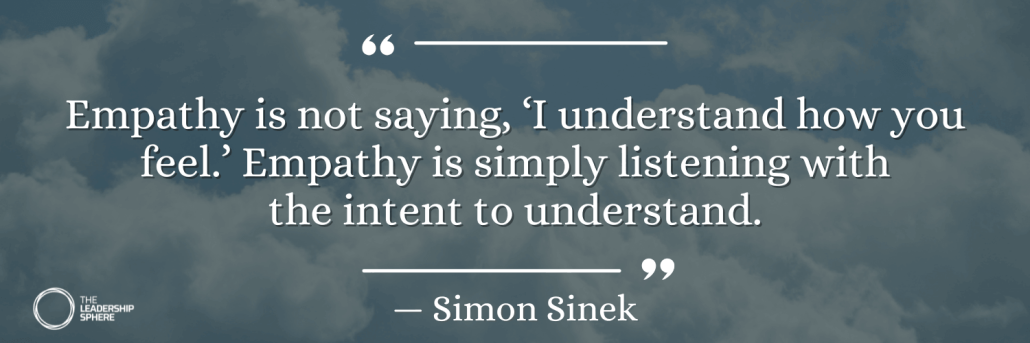
Leadership without empathy breaks trust. If you view your team members merely as cogs in a machine, you will struggle to build loyalty or encourage collaboration. Empathy is the ability to connect with your team on a human level, understanding their challenges, frustrations, and aspirations. By listening actively and showing genuine care for their well-being, you create an environment where people feel valued and understood.
3. Inspiring Action Through Purpose and ‘Why’
Commanding compliance is not leadership; it is simply dictating. When you rely solely on authority to drive results, you get the bare minimum from your team. Outstanding leaders inspire action by communicating a clear ‘Why’. When people understand the purpose behind their work and see how their contributions matter, they are naturally motivated to do their best. This core principle of values based leadership turns ordinary employees into passionate advocates for your mission.
4. Building and Maintaining Trust as a Leader
Without trust, innovation and engagement suffer. A team that fears making mistakes will never take the creative risks necessary for breakthrough success. Make trust-building a top priority. Be transparent, keep your promises, and give your team the autonomy to make decisions. When a workplace is built on mutual respect and psychological safety, productivity naturally increases. Continuous leadership development often focuses heavily on this pillar, as trust is the bedrock of any high-performing team.
5. Prioritising People Over Profits
Putting profits before people creates toxic workplaces, high turnover rates, and eventual financial decline. Sinek’s advice is clear and highly effective: take care of your people, and success will follow naturally. When you invest in your team’s growth, health, and happiness, they will invest their energy back into the company. The financial health of an organisation is a direct result of how well its people are treated and supported.
How to Embed Company Values into Daily Operations
Understanding the pillars of leadership is one thing; putting them into practice is another. A common question among growing executives is how to embed company values into daily operations so they become more than just words on a wall.
Start by integrating your core values into the hiring and onboarding process. Ensure that new team members understand exactly what your organisation stands for from day one. Next, align your performance reviews and recognition programs with these values. If empathy and teamwork are core principles, reward employees who demonstrate them, not just those who hit the highest sales targets.
Consistent communication is also vital. Share stories during team meetings that highlight employees living out the company’s purpose. Furthermore, investing in values driven leadership training ensures that your management team embodies these principles, setting a clear example for the rest of the organisation. When leaders consistently model the right behaviours, the entire company culture shifts to follow suit.
Take a moment to evaluate your own leadership style. Which of these five pillars is your strongest? Which one requires a bit more attention? Choose one area to focus on this week, and start having open conversations with your team about how you can better support them. Great leadership is an ongoing conversation, and the best time to start listening is right now.
https://theleadershipsphere.com.au/wp-content/uploads/2026/04/2604-001-Article.jpg9491080Philliphttps://theleadershipsphere.com.au/wp-content/uploads/2021/09/TLS_Blue-Grey-Horizontal-300x124-fix.pngPhillip2026-04-08 08:00:002026-04-09 09:22:35Master These 5 Pillars of Effective Leadership
Master These 5 Pillars of Effective LeadershipLeadership…
https://theleadershipsphere.com.au/wp-content/uploads/2026/04/2604-001-Article.jpg9491080Philliphttps://theleadershipsphere.com.au/wp-content/uploads/2021/09/TLS_Blue-Grey-Horizontal-300x124-fix.pngPhillip2026-04-08 08:00:002026-04-09 09:22:35Master These 5 Pillars of Effective Leadership
What Leaders Often Get Wrong (And How to Fix It)Stepping…
https://theleadershipsphere.com.au/wp-content/uploads/2026/04/2604_001-Blog.png10801920Philliphttps://theleadershipsphere.com.au/wp-content/uploads/2021/09/TLS_Blue-Grey-Horizontal-300x124-fix.pngPhillip2026-04-07 08:00:142026-04-07 13:32:01What Leaders Often Get Wrong (And How to Fix It)
What is a Values Based Leadership Approach?'Emily', a…
https://theleadershipsphere.com.au/wp-content/uploads/2026/04/2603_005-Article.png10801920Philliphttps://theleadershipsphere.com.au/wp-content/uploads/2021/09/TLS_Blue-Grey-Horizontal-300x124-fix.pngPhillip2026-04-02 08:00:352026-03-31 13:10:34What is a Values Based Leadership Approach?
HBDI® vs DiSC: Choosing the Right Personality AssessmentLeading…
https://theleadershipsphere.com.au/wp-content/uploads/2026/03/2603_005-Blog.png10801920Philliphttps://theleadershipsphere.com.au/wp-content/uploads/2021/09/TLS_Blue-Grey-Horizontal-300x124-fix.pngPhillip2026-03-31 08:00:552026-03-30 15:19:31HBDI® vs DiSC: Choosing the Right Personality Assessment
Master These 5 Pillars of Effective LeadershipLeadership…
https://theleadershipsphere.com.au/wp-content/uploads/2026/04/2604-001-Article.jpg9491080Philliphttps://theleadershipsphere.com.au/wp-content/uploads/2021/09/TLS_Blue-Grey-Horizontal-300x124-fix.pngPhillip2026-04-08 08:00:002026-04-09 09:22:35Master These 5 Pillars of Effective Leadership
What Leaders Often Get Wrong (And How to Fix It)Stepping…
https://theleadershipsphere.com.au/wp-content/uploads/2026/04/2604_001-Blog.png10801920Philliphttps://theleadershipsphere.com.au/wp-content/uploads/2021/09/TLS_Blue-Grey-Horizontal-300x124-fix.pngPhillip2026-04-07 08:00:142026-04-07 13:32:01What Leaders Often Get Wrong (And How to Fix It)
What is a Values Based Leadership Approach?'Emily', a…
https://theleadershipsphere.com.au/wp-content/uploads/2026/04/2603_005-Article.png10801920Philliphttps://theleadershipsphere.com.au/wp-content/uploads/2021/09/TLS_Blue-Grey-Horizontal-300x124-fix.pngPhillip2026-04-02 08:00:352026-03-31 13:10:34What is a Values Based Leadership Approach?
HBDI® vs DiSC: Choosing the Right Personality AssessmentLeading…
https://theleadershipsphere.com.au/wp-content/uploads/2026/03/2603_005-Blog.png10801920Philliphttps://theleadershipsphere.com.au/wp-content/uploads/2021/09/TLS_Blue-Grey-Horizontal-300x124-fix.pngPhillip2026-03-31 08:00:552026-03-30 15:19:31HBDI® vs DiSC: Choosing the Right Personality Assessment


 https://theleadershipsphere.com.au/wp-content/uploads/2026/04/2603_005-Article.png
1080
1920
Phillip
https://theleadershipsphere.com.au/wp-content/uploads/2021/09/TLS_Blue-Grey-Horizontal-300x124-fix.png
Phillip2026-04-02 08:00:352026-03-31 13:10:34What is a Values Based Leadership Approach?
https://theleadershipsphere.com.au/wp-content/uploads/2026/04/2603_005-Article.png
1080
1920
Phillip
https://theleadershipsphere.com.au/wp-content/uploads/2021/09/TLS_Blue-Grey-Horizontal-300x124-fix.png
Phillip2026-04-02 08:00:352026-03-31 13:10:34What is a Values Based Leadership Approach?